
Views: 150 Author: Site Editor Publish Time: 2026-08-31 Origin: Site


Using a standard Paper towel for direct food contact is a widespread practice in professional and residential kitchens. Line cooks and home chefs routinely use them to drain fried foods, wrap fresh produce, cover plates in the microwave, and dry kitchenware. Most consumer-grade paper products are manufactured strictly for conventional wiping. They are not engineered or certified for direct food processing or preparation.
When non-certified paper products touch food, they introduce severe liabilities. Chemical leaching from dyes and adhesives occurs rapidly under heat and moisture. Recycled materials often transfer dangerous bacterial loads directly to your ingredients. Using unapproved wiping products violates strict regulatory compliance standards for food safety. Solving this problem requires a rigorous technical evaluation of your supply chain. You must assess material safety, verify regulatory compliance, and ensure operational scalability when selecting a reliable wholesale supplier.
Not All Pulp is Equal: Recycled paper towels carry a higher risk of bacterial contamination and chemical residue (like BPA) compared to virgin pulp, making them unsuitable for direct food contact.
Regulatory Distinctions Matter: Products must meet specific FDA guidelines (or regional equivalents) for food contact substances; standard wiping towels do not undergo this rigorous testing.
Thermal, Moisture, and Lipid Risks: Heat (microwaving), moisture (drying wet produce), and fats (draining fried foods) accelerate the extraction and leaching of dyes, adhesives, optical brighteners, and bleaching agents from non-certified paper products.
Mechanical Integrity & Cross-Contamination: Low-grade towels shed lint and fibers onto food-contact surfaces and kitchenware, creating chemical and physical hazard pathways.
Strategic Sourcing is Critical: Procuring commercial paper towels requires vetting suppliers for specific food-safety certifications rather than competing solely on wholesale price.
Defining what constitutes a food-safe disposable paper product requires strict success criteria. The baseline requirement is absolute zero harmful transfer. No chemicals, stray fibers, or biological agents can migrate from the paper to the food. Achieving this standard requires highly controlled manufacturing environments. Standard janitorial supplies fail this baseline completely. They prioritize absorption and low production costs over chemical purity. We see this failure daily in high-volume prep kitchens where generic wipes break down on contact with acidic ingredients.
Regulatory bodies draw a sharp line between general cleaning supplies and Food Contact Substances (FCS). Products sold for conventional surface wiping face minimal chemical oversight. Paper products approved for direct food contact must comply with strict FDA regulations. Sections 21 CFR 176.170 and 176.180 govern the components of paper and paperboard in contact with aqueous, fatty, and dry foods. You cannot substitute one for the other without risking severe compliance violations.
Testing requirements for an FCS are rigorous and exhaustive. Laboratories subject these materials to intense migration testing. They use various food simulants to mimic real-world kitchen conditions. Aqueous, acidic, and fatty simulants test the paper under different temperatures. If harmful substances migrate into the simulant above allowable thresholds, the product fails. Standard wiping towels never undergo this critical testing phase. They are legally permitted to contain compounds that would instantly fail FCS migration limits.
Non-food-grade paper towel production relies on a cocktail of industrial chemicals. Manufacturers frequently use chlorine bleach, which can leave trace dioxins. Synthetic dyes and optical brighteners enhance the visual appeal of the paper. Formaldehyde-based wet-strength resins keep the towel intact when wet. Industrial adhesives bond multi-ply sheets together. These chemicals are perfectly legal for wiping up floor spills but disastrous for food prep.
These chemicals pose a severe migration risk in kitchen environments. When standard paper interacts with moisture, heat, or food acids, these compounds break down. The resulting chemical residue leaches directly into the food. Acidic foods like tomatoes or citrus are particularly aggressive. They act as solvents, pulling industrial resins and brighteners out of the paper matrix and into the meal. We have observed prep cooks wrapping lemons in standard wipes, unknowingly contaminating the citrus oils with formaldehyde resins.
Standard Wiping Towels | FDA-Certified Food Contact Towels |
|---|---|
Contains optical brighteners and synthetic dyes | Zero optical brighteners; natural or food-safe dyes only |
Uses formaldehyde-based wet-strength resins | Uses FDA-approved, non-toxic binding agents |
No migration testing required | Strict migration testing under 21 CFR 176.170 |
High risk of lint and fiber shedding | High mechanical integrity; low linting |
Evaluating material sources is the first step in mitigating contamination risks. The market offers two primary solution categories: virgin wood pulp and recycled paper. Understanding the fundamental differences between these materials dictates their viability for food service applications. You must choose the right base material to ensure a hygienic prep environment. Cost savings on recycled paper vanish the moment a health inspector flags your prep line for cross-contamination.
Recycled paper supply chains are inherently unpredictable. The raw material comes from post-consumer waste. This waste stream includes printed materials containing toxic inks. It also includes thermal receipt paper, which is a known source of BPA and BPS. Heavy metals and other industrial contaminants frequently survive the recycling process. These microscopic hazards remain embedded in the final recycled paper product. You cannot wash or sanitize paper; whatever survives the pulping process ends up on your cutting board.
Microbiological risks present another severe threat. Clinical and industry evidence demonstrates that recycled paper towels harbor higher bacterial loads. Bacillus species are particularly common in these products. The recycling process uses binding starches to hold the compromised fibers together. These starches act as a direct food source for bacteria, allowing colonies to thrive within the paper itself. Wrapping fresh herbs in recycled paper essentially incubates these bacterial colonies.
Using 100% virgin wood pulp is the non-negotiable baseline for food-safe applications. Virgin pulp originates directly from harvested trees, bypassing the contaminated post-consumer waste stream. This clean origin eliminates the risk of legacy chemicals like BPA or heavy metals. It provides a pure, uncontaminated foundation for manufacturing. When you specify virgin pulp, you eliminate the unpredictable variables of the recycling bin.
The controlled manufacturing process of virgin pulp limits biological and chemical variables. Facilities process the raw wood fibers using strictly regulated, food-safe chemicals. The high-heat drying phases effectively sterilize the virgin fibers. This controlled environment ensures a highly hygienic end-product. Virgin pulp delivers the structural integrity and chemical purity required for direct food contact. It holds up under pressure, moisture, and heat without shedding toxic compounds.
Verify the product specification sheet explicitly states 100% virgin wood pulp.
Check for Elemental Chlorine-Free (ECF) or Totally Chlorine-Free (TCF) bleaching processes.
Request documentation proving the absence of post-consumer recycled content.
Confirm the manufacturing facility holds current ISO 22000 or BRCGS certifications.
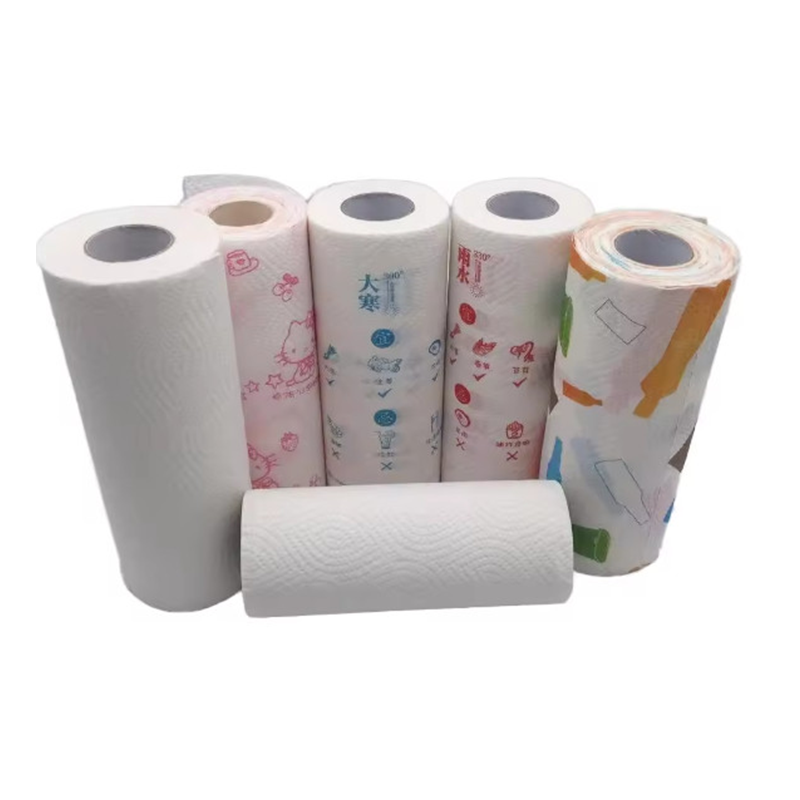
Evaluating how paper products perform under high-risk kitchen applications is critical. Professional prep environments expose paper to extreme conditions. You must assess the material's reaction to heat, hot oils, water, and mechanical friction. Failing to understand these dynamics leads to immediate cross-contamination. A towel that works perfectly for wiping a stainless steel counter might fail catastrophically when used to drain a basket of hot fries.
Covering food with a paper towel in the microwave is a universal kitchen habit. People do this to prevent splatters and retain moisture. Applying thermal stress to non-certified paper introduces severe hazards. Standard paper products lack the thermal stability required for microwave use. They are not engineered to withstand concentrated electromagnetic radiation and the resulting steam heat.
The risks include spontaneous combustion and electrical arcing. Recycled paper often contains microscopic metallic trace elements from post-consumer waste. These metals arc and spark under microwave radiation. Intense heat accelerates chemical leaching. Thermal stress breaks down industrial adhesives and dyes, dropping chemical condensation directly onto the heating food. We have seen standard towels scorch and melt their synthetic binders onto plated meals within sixty seconds.
Chefs frequently use paper to drain excess grease from fried foods. This application tests the structural integrity of the paper under extreme conditions. Hot oils saturate the paper fibers rapidly. High temperatures from freshly fried foods attack the chemical bonds within the paper matrix. The thermal shock of 350-degree oil destroys standard paper binders instantly.
When exposed to hot lipids, non-food-grade wet-strength resins break down completely. The hot oil acts as an extraction solvent. It pulls adhesives, synthetic dyes, and chemical compounds out of the paper. These toxic elements transfer directly onto the surface of the fried food. Only certified food-safe paper can withstand high-temperature lipid exposure without chemical degradation. You need a product engineered specifically for hot oil filtration and absorption.
Laying wet fruits and vegetables on paper during food preparation is common. Staff also wrap fresh herbs in damp paper to extend shelf life. This moisture-heavy environment creates a perfect pathway for chemical migration. Water is a highly effective universal solvent. It penetrates the paper matrix and dissolves water-soluble manufacturing residues.
Moisture facilitates the migration of water-soluble manufacturing chemicals. Formaldehyde resins and chlorine residues dissolve easily in water. When wet produce sits on non-certified paper, the water pulls these chemicals out. The porous skin of wet vegetables then absorbs the contaminated moisture. This process silently poisons fresh ingredients before they ever reach the cooking pan. Wrapping fifty heads of lettuce in standard janitorial wipes guarantees widespread chemical contamination across your entire salad station.
Drying chef knives, prep boards, and tableware requires high mechanical friction. Using low-wet-strength towels for these tasks causes immediate structural failure. The paper shreds and tears across the surfaces. This mechanical breakdown leaves visible lint and microscopic fibers behind. You spend ten minutes sharpening a knife only to coat the blade in industrial paper dust.
Micro-fiber shedding transfers chemical residues directly to food-contact surfaces. When you dry a prep board with a standard towel, you coat the board in industrial chemicals. The next ingredient processed on that board absorbs the contamination. Using commercial paper towels engineered with high wet-strength prevents this dangerous mechanical transfer. They maintain their structural integrity under heavy friction, leaving surfaces clean and residue-free.
Procurement teams must balance cost, safety, regulatory compliance, and operational efficiency. Developing a strict sourcing strategy prevents catastrophic safety failures. You must look beyond the initial unit price. Evaluating the overall value influencing factors ensures you secure a reliable, compliant supply chain. A cheap case of paper costs thousands in liability if it causes a foodborne illness outbreak.
Auditing a paper towel manufacturer requires a strict checklist of international certifications. You must verify their facility standards and material sourcing. Do not accept verbal assurances regarding food safety. Demand hard documentation for every product line. If a supplier hesitates to provide migration test results, walk away immediately.
Request the following compliance documentation during your audit:
ISO 22000 certification for food safety management systems.
FDA compliance documentation for Food Contact Substances (21 CFR 176.170).
BRCGS certification for packaging and packaging materials.
FSC or PEFC certification verifying sustainable virgin pulp sourcing.
Independent migration test reports and complete Material Safety Data Sheets (MSDS).
Buying kitchen paper towel wholesale involves a critical cost-to-safety trade-off. Generic janitorial-grade supplies offer lower upfront costs. They introduce massive liability risks into your kitchen. Cross-contamination incidents lead to severe brand damage and regulatory fines. You cannot afford to cut corners on materials that touch every plate leaving your kitchen.
Investing in certified food-safe products mitigates these liabilities entirely. The marginally higher unit cost offsets the massive financial risks of a food safety failure. High-quality virgin pulp products also offer better absorption and durability. Staff use fewer sheets per task, driving down the actual consumption rate and balancing the overall procurement budget. We consistently see kitchens reduce their total paper volume by switching to high-performance, food-grade rolls.
Ordering custom paper towel rolls requires precise technical specifications. You may need specific dimensions for proprietary kitchen dispensers. You might also require custom branding for front-of-house applications. Every customization introduces new chemical variables that must be controlled. You must dictate the exact materials used in the core, the adhesive, and the ink.
Specify food-grade core glues to prevent contamination at the end of the roll. Mandate the use of non-toxic, water-based inks if custom branding is applied. Enforce strict adhesive control for multi-ply products. Ensure the manufacturer understands that every component of the custom roll must meet FDA direct-contact standards. A food-safe paper sheet bonded with industrial toxic glue is no longer food-safe.
Securing a compliant product is only half the battle. Operational and training failures easily compromise the safest materials. Professional environments require strict protocols to maintain hygiene. You must implement robust systems to protect your inventory and guide your staff. Even the best virgin pulp towel becomes a hazard if stored next to the deep fryer exhaust.
Proper storage protocols prevent ambient contamination before the product is ever used. Paper is highly porous and absorbs environmental hazards rapidly. Storing inventory near chemical cleaning sprays allows the paper to absorb toxic fumes. High ambient moisture leads to mold growth within the rolls. We frequently inspect dry storage rooms where paper goods sit directly on damp concrete floors, absorbing stagnant water.
Keep all paper inventory elevated off the floor on clean pallets. Store them in dry, climate-controlled environments away from airborne kitchen grease. Implement strict pest control measures in all storage areas. Never store food-safe prep materials in the same closet as heavy industrial degreasers or floor cleaners. Treat your food-contact paper with the same storage respect as your dry food ingredients.
Training staff on distinct usage protocols is vital. Kitchen workers must understand the difference between food-safe prep materials and general-purpose janitorial wipes. Accidental misuse on the prep line introduces immediate chemical hazards. Clear Standard Operating Procedures (SOPs) eliminate this confusion. You must train every new hire on exactly which roll to pull for which task.
Implement visual management tools to enforce these SOPs. Use color-coded dispensers to separate food-safe rolls from janitorial supplies. Place food-safe dispensers exclusively at designated prep stations. Conduct regular training sessions to reinforce the dangers of using non-certified materials for draining, wrapping, or drying food-contact surfaces. A simple blue dispenser for cleaning and a white dispenser for food prep solves 90% of cross-contamination errors.
Audit your current inventory immediately to identify non-compliant materials used in food prep areas.
Request complete FDA compliance documentation and migration test reports from your existing vendor.
Initiate contact with a certified wholesale supplier to source 100% virgin pulp products engineered specifically for direct food contact.
Implement visual dispenser systems to separate food-safe materials from general janitorial supplies.
A: No. Standard products lack thermal stability. Hot lipids break down non-food-grade wet-strength resins and industrial adhesives. This high-temperature exposure causes toxic chemicals and synthetic dyes to leach directly onto the fried food. Always use certified food-safe, virgin pulp products for draining hot oils.
A: No. Recycled pulp contains post-consumer contaminants like BPA, BPS, and heavy metals. It also harbors higher bacterial loads due to binding starches. When wrapping wet produce, the moisture acts as a solvent, pulling these dangerous contaminants directly into the porous skin of the vegetables.
A: Look for explicit microwave-safe and food-contact certifications on the packaging. Non-certified products risk thermal breakdown, chemical leaching, and spontaneous combustion. Recycled paper may also contain microscopic metallic trace elements that cause electrical arcing when exposed to microwave radiation.
A: Commercial grades are often split into bulk janitorial supplies and certified food-service grades. Janitorial grades prioritize low cost and surface wiping. Food-service grades undergo strict FDA migration testing for chemical purity. Retail grades vary wildly and rarely meet professional direct-contact safety standards.
A: Standard and recycled products often contain chlorine residues, formaldehyde-based resins, and synthetic dyes. Modern, food-safe virgin pulp uses Elemental Chlorine-Free (ECF) or Totally Chlorine-Free (TCF) bleaching processes. Certified food-grade products strictly control all chemical inputs to prevent hazardous migration.
A: Only if they are certified food-safe with high wet-strength properties. Standard products shed lint and microscopic fibers under mechanical friction. This shedding transfers industrial chemical residues directly onto your clean knives and prep boards, leading to immediate cross-contamination of your ingredients.