
Views: 0 Author: Site Editor Publish Time: 2026-09-01 Origin: Site


The debate around commercial bathroom supplies has existed for decades. Medical experts often dismiss paper seat liners as unnecessary. However, everyday users demand them for peace of mind. This friction highlights a fascinating clash. It pits scientific consensus on bacterial transmission against the psychological reality of user anxiety. Our goal is to evaluate their true utility comprehensively. We will explore this topic from an evidence-based hygiene perspective. We will also examine the facility management and operational ROI angle. You will learn why these simple paper products remain a staple in commercial bathrooms worldwide. We will guide you on how to make informed decisions regarding sourcing. Finally, we will show you how individuals and businesses can implement these products effectively to elevate bathroom standards.
Science tells a very specific story about bathroom bacteria. Many people assume toilet seats teem with dangerous infectious diseases. However, biologists and health institutions confirm they are not a primary vector for illness. Pathogens simply do not thrive on dry, non-porous plastic surfaces. Your intact skin provides a highly effective, natural barrier against these microbes. If you sit on a seat, the bacteria cannot easily enter your body. Instead, pathogens prefer high-touch zones. You should worry more about sink faucet handles, door knobs, and flush valves. Hands touch these surfaces constantly, transferring germs to your face or mouth later.
Despite the biological evidence, the "ick" factor remains incredibly strong. You cannot ignore user perception when managing public restroom hygiene. Shared surfaces trigger deep-seated anxiety in most people. Visible moisture on a seat exacerbates this fear instantly. A user does not care about statistical risk when they see a damp spot. They want a physical barrier to regain control over their environment. This psychological comfort matters deeply. People feel respected and cared for when a facility anticipates their anxieties and provides a solution. Psychological safety is just as important as biological safety in customer service.
When you fail to provide proper liners, users improvise. They compensate by creating makeshift barriers. Users will line the seat with thick, overlapping layers of toilet paper. This behavior creates massive problems for your facility. First, it leaves an unsanitary mess. The toilet paper often falls onto the floor or sticks to the seat. Second, it causes severe plumbing blockages. Standard toilet paper is not designed to be flushed in such massive, compressed quantities. Users push these thick paper nests into the bowl, creating immediate clogs. Providing dedicated liners stops this destructive behavior.
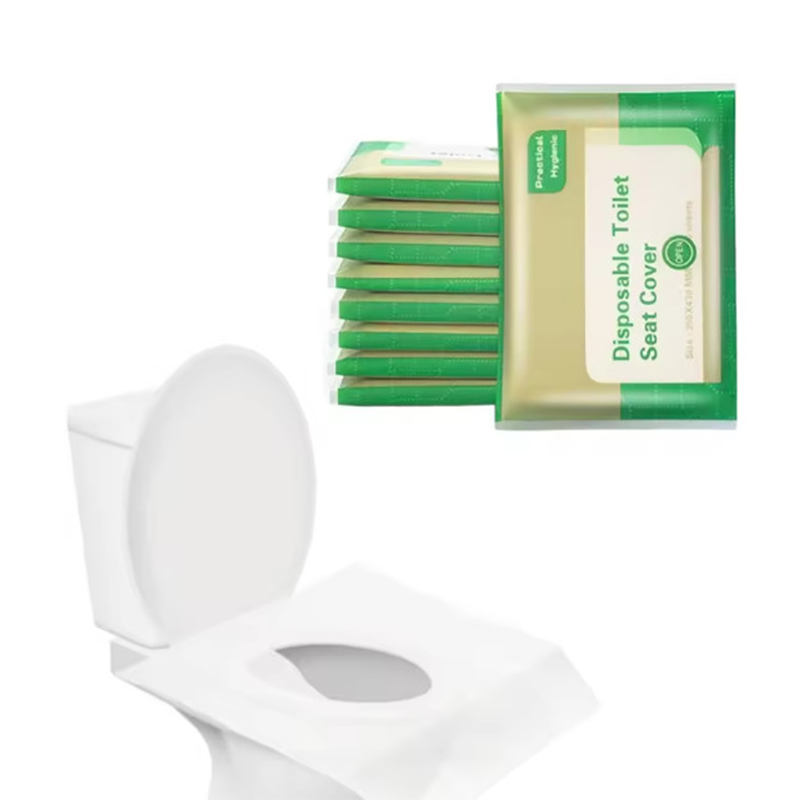
Restroom cleanliness directly dictates overall brand trust. Customers judge your entire operation based on your bathroom standards. If you manage a restaurant, an airport, or a corporate office, hygiene perception is a major risk management factor. A dirty, poorly stocked bathroom signals negligence. Customers will wonder if your kitchen or boardroom is equally neglected. Providing toilet seat covers communicates attention to detail. It shows you prioritize user comfort. This small investment protects your brand reputation and encourages repeat visits. Neglecting it invites harsh online reviews and diminishes customer loyalty.
Facilities must accommodate diverse populations with varying needs. Physical barriers are an absolute necessity for many vulnerable groups. Parents managing young children in public restrooms face immense stress. Toddlers grip the edges of seats and lack spatial awareness. A protective liner gives parents critical peace of mind. Additionally, elderly individuals or immunocompromised guests rely on these products to feel safe in public spaces. True inclusivity means outfitting your restrooms to support everyone. Failing to provide these barriers marginalizes families and individuals who require extra layers of protection.
You must contrast the upfront expense of these supplies against emergency maintenance costs. Providing dedicated liners requires a very low operational budget. In contrast, emergency plumbing calls carry exorbitant price tags. Flushed paper towels and massive wads of excessive toilet paper ruin plumbing systems fast. A flooded bathroom closes sections of your business, costing you revenue. Dedicated liners dissolve rapidly and safely. They prevent the makeshift nests that cause pipe damage. Therefore, the operational ROI is highly favorable. You spend pennies on liners to save thousands on emergency pipe repairs and facility downtime.
The industry standard for commercial settings remains the disposable paper liner. You will typically find these in large office buildings and shopping malls. When selecting disposable toilet seat covers, you must evaluate optimal thickness. A liner too thin will rip during extraction. A liner too thick will clog the pipes. You also need to choose between standard half-fold and quarter-fold designs. Half-fold options dispense easily but require wider wall fixtures. Quarter-fold options save wall space but sometimes require a gentler pull. Your choice depends heavily on your available bathroom real estate.
Modern facilities increasingly prioritize eco-friendly bathroom supplies. A high-quality biodegradable toilet seat cover focuses on fast-dissolving materials. These options guarantee safe flushing even in older plumbing systems. They break down upon contact with swirling water. Choosing these sustainable materials supports corporate environmental mandates. They reduce landfill waste and utilize responsible forestry practices. For companies aiming to achieve green certifications, making this switch is a simple yet impactful operational upgrade.
The B2C market offers exciting retail opportunities for personal hygiene products. Many consumers now purchase a dedicated travel toilet seat cover kit for their daily commute or vacations. These kits feature individually wrapped, thicker covers. They are designed for personal carry in purses or diaper bags. Parents heavily rely on them for road trips. Immunocompromised individuals use them to navigate public transit stations safely. Retailers can capitalize on this growing demand by stocking pocket-sized, durable liners tailored for the anxious traveler.
Table 1: Seat Cover Material and Application Comparison
| Cover Type | Primary Use Case | Fold Style | Key Benefit |
|---|---|---|---|
| Standard Disposable | High-traffic commercial restrooms | Half-fold or Quarter-fold | Cost-effective and universally compatible |
| Biodegradable | Corporate offices, green facilities | Half-fold | Eco-friendly and fast-dissolving |
| Travel/Personal Kits | B2C retail, road trips, airplanes | Individually wrapped pocket fold | Thicker material, highly portable |
Mounting your hardware correctly prevents cross-contamination and waste. You must mount dispensers strategically away from the splash zone of the toilet. If you place them too close to the bowl, flushing water can aerosolize and dampen the paper. Damp paper breeds bacteria and ruins the refill stack. Additionally, you must install them at accessible heights. ADA compliance dictates specific reach ranges for all wall-mounted fixtures. Wheelchair users must be able to reach the dispenser without straining or risking a fall.
Your janitorial staff needs clear protocols for managing these supplies. You must calculate the accurate refill frequency based on foot traffic. A busy airport bathroom requires a vastly different workflow than a quiet law office. Train your facility staff to monitor inventory actively during peak usage hours. They should never wait until the dispenser is completely empty to restock. Proactive refilling prevents the "makeshift cover" problem from occurring. Incorporate dispenser checks into their hourly cleaning checklist to maintain a consistent standard of care.
You cannot assume users know how to dispose of these products properly. Simple signage considerations make a massive difference. Place a small, polite sticker near the flush valve. Encourage proper flushing and disposal. Some thicker travel liners are not flushable, so you must instruct users to use the waste bin for those specific items. For standard flushable liners, a quick visual cue ensures users let the center flap pull the liner down the drain naturally. Clear instructions reduce mess and protect your pipes.
Evaluating commercial bathroom hygiene requires balancing scientific realities with human psychology. These paper barriers may not act as a critical medical shield against disease, but they serve an equally vital purpose. They are a mandatory tool for ensuring customer satisfaction and psychological safety. By providing them, you actively protect your facility from the costly plumbing disasters caused by makeshift toilet paper nests. Moving forward, facility managers should immediately audit their current restroom inventory and hardware. Request physical product samples from qualified vendors to test compatibility and durability. Finally, standardize your janitorial workflows to ensure these dispensers remain stocked and accessible during peak hours.
A: Scientifically, they offer minimal medical protection because intact human skin already blocks most bacteria found on seats. Pathogens do not easily transfer from a dry seat to your skin. Their primary benefit is psychological comfort and providing a clean, dry surface for users.
A: Place the cover so the center flap hangs down into the front of the toilet bowl. When you flush, the water pulls the flap down, automatically dragging the entire paper cover into the bowl without you needing to touch it.
A: High-quality commercial covers are designed to be fast-dissolving and are safe for standard plumbing. However, if a user flushes multiple covers at once, or flushes thicker, non-biodegradable personal travel covers, it can cause clogs in older pipe systems.
A: Some users find them frustrating to unfold without tearing. Others avoid them because they believe the covers themselves might be contaminated from aerosolized toilet water if the dispenser is mounted too close to the bowl. Many simply prefer to wipe the seat with sanitizing gel instead.