
Views: 0 Author: Site Editor Publish Time: 2026-09-07 Origin: Site


Public restrooms often trigger a dual anxiety for everyday users. We worry deeply about personal hygiene on one side. Yet, we equally dread the personal embarrassment of causing a massive plumbing clog. Striking a clean balance between staying safe and keeping pipes clear remains a daily challenge.
Most commercial covers are heavily marketed as safe to flush down any drain. However, the reality depends entirely on specific material composition and the actual age of the plumbing system. What works perfectly in a modern commercial facility might instantly block the narrow pipes of a historic building.
We need a reliable evaluation framework to determine which products are genuinely safe for plumbing. This guide focuses strictly on material science, septic compatibility, and supplier transparency. You will learn exactly how to identify reliable paper products and keep restroom systems running smoothly.
People often wonder if everyday restroom products truly belong in the drain. The plumbing industry makes a sharp distinction between items technically capable of passing through a U-bend and items safe for long-term plumbing health. A product might easily clear your immediate toilet bowl. This same product could later snag on a tiny root intrusion in the main sewer line. Over time, these small snags build into catastrophic blockages.
Septic systems face an entirely different set of operational challenges. A proper septic safe toilet seat cover must meet stringent breakdown criteria. Septic tanks rely on a delicate balance of naturally occurring bacteria to consume waste solids. Standard paper requires intense physical agitation to break apart effectively. In contrast, genuinely safe covers dissolve rapidly upon saturation. Bacteria can then process the remaining micro-fibers without causing dangerous sludge accumulation.
Facility managers know these harsh realities firsthand. You often see "Do Not Flush" signs taped awkwardly next to seat cover dispensers. This contradictory messaging confuses visitors. In reality, management usually installs these warnings after experiencing repeated clogs. These blockages typically result from buying non-compliant, low-grade paper. Cheap paper clumps together into a solid mass rather than dispersing safely in the water stream. Choosing the right material eliminates this evidence-oriented reality check entirely.
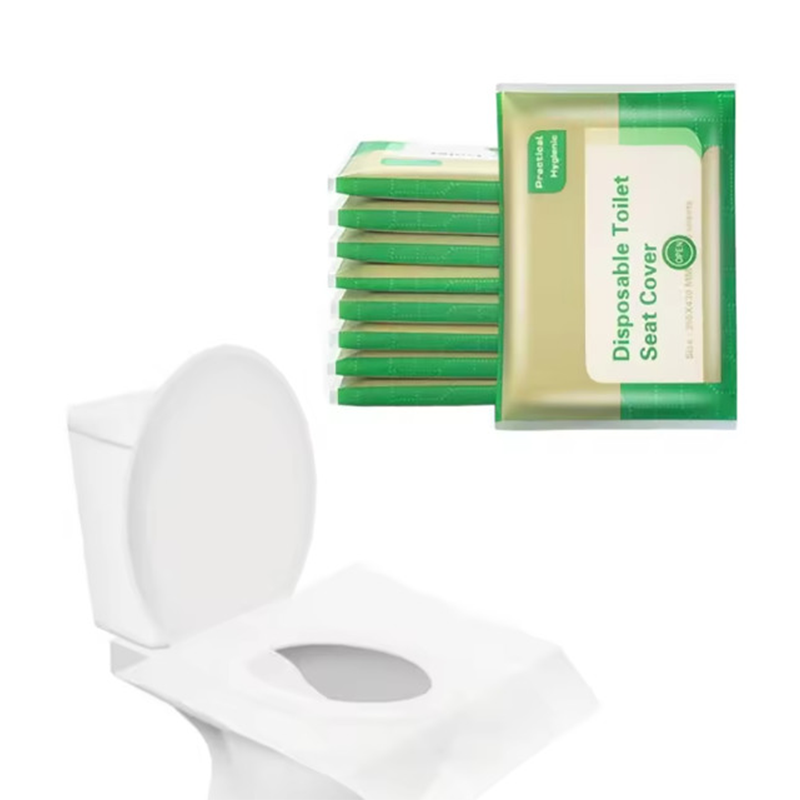
Understanding material composition helps you make smarter purchasing and usage decisions. Not all paper behaves identically when submerged.
Many public facilities stock basic wood pulp products. A standard disposable toilet seat paper feels quite similar to thin facial tissue. It relies heavily on physical force to break apart. The turbulent water from an active flush provides this necessary force. Unfortunately, low-flow toilets lack the required water pressure. This leads to a high risk of clumping in older pipes. The fibers intertwine, creating a barrier blocking subsequent waste.
Eco-conscious businesses frequently explore alternative materials. A modern biodegradable toilet seat cover usually features bamboo or recycled agricultural pulp. These materials offer excellent environmental benefits. They break down naturally over several weeks or months. However, "biodegradable" never guarantees immediate flushability. These covers perform brilliantly in landfills. Yet, they remain solid long enough to cause immediate plumbing headaches if flushed down narrow pipes.
Engineers developed specialized materials to solve these exact plumbing dilemmas. A genuine water soluble toilet seat cover represents the absolute gold standard for commercial and travel use. Manufacturers engineer these covers specifically to dissolve rapidly upon saturation and mild agitation. The moment water touches the material, the structural bonds release. This instantaneous dispersion virtually eliminates any risk of downstream blockages.
Comparison of Toilet Seat Cover Materials
| Material Type | Breakdown Method | Plumbing Risk Profile | Ideal Use Case |
|---|---|---|---|
| Standard Wood Pulp | Mechanical force (turbulent flushing) | Moderate to High (clumps easily) | High-flow commercial toilets |
| Biodegradable Paper | Bacterial action over time | Moderate (slow dissolution) | Eco-friendly facilities, composting |
| Water-Soluble | Immediate saturation release | Low (rapidly disperses) | Septic systems, RVs, travel |
Proper usage mechanics drastically improve hygiene and flushability. Many people place the cover incorrectly out of simple habit.
Internet communities frequently discuss the "Today I Learned" realization about seat covers. The common misconception involves tearing the center flap completely off or placing it toward the back of the bowl. Manufacturers design the center flap to remain attached. You should position this flap at the front, allowing it to dip directly into the water. When you trigger the flush, the flowing water grabs this hanging flap. It pulls the entire cover down effortlessly, preventing dry paper from sticking to the porcelain rim.
Follow these quick steps for optimal placement:
Sensor-activated toilets introduce a highly frustrating user experience. You carefully position the paper, only to have the sensor trigger prematurely. The toilet flushes your unused cover away immediately. To mitigate this auto-flush dilemma, drape a small strip of toilet tissue over the sensor eye. This temporary blindfold gives you time to place the cover and use the restroom. Remove the tissue when finished to activate the flush mechanism properly.
Proper placement serves a dual purpose. It certainly creates a vital hygienic barrier for your skin. More importantly, it ensures the paper catches the water flow correctly to maximize dissolution. A cover placed awkwardly may only get partially wet. Dry paper corners frequently snag on the bowl rim. This requires multiple flushes, wasting water and increasing the chance of an eventual clog.
Environmental context dictates your disposal strategy. You must adapt your behavior based on geographic location and infrastructure age.
Most modern facilities across North America utilize commercial-grade plumbing. These robust systems feature wide pipes and high-pressure flush valves. In these environments, flushing standard covers remains generally safe. The infrastructure easily handles the physical volume of a single paper barrier. You can confidently flush without worrying about causing an immediate overflow.
Travel requires a fundamental shift in restroom habits. Historic European cities often rely on ancient, extremely narrow piping systems. Similarly, RV holding tanks and portable toilets utilize delicate waste management designs. In these specific scenarios, you must act cautiously. Even if you possess a premium flushable toilet seat covers product, you should throw it in the designated waste bin. Flushing paper into these fragile systems almost guarantees an expensive, highly disruptive blockage.
Use this quick checklist to assess whether you should flush or toss:
Facility managers carry the heavy burden of plumbing maintenance. Choosing the right consumables directly impacts overall operational efficiency.
For B2B buyers, evaluating paper quality goes beyond simple unit price. You must consider how the right paper actively reduces plumbing call-out costs. Emergency plumber visits drain facility budgets rapidly. Frequent clogs also create negative impressions for customers and employees. Stocking truly soluble products keeps restrooms operational. It minimizes out-of-order stalls and reduces the daily stress on janitorial staff.
You cannot rely solely on a manufacturer's unsupported claims. Look for a verified flushable paper supplier who adheres to recognized industry standards. Organizations like INDA and EDANA publish strict flushability guidelines. These guidelines require materials to pass rigorous slosh box testing. A certified supplier will willingly provide documentation proving their products meet these critical degradation benchmarks.
Purchasing departments frequently face tough budget decisions. You must weigh the upfront cost of rapid-dissolve, water-soluble paper against cheap alternatives. Low-grade paper appears cheaper on the initial invoice. However, you pay a steep penalty later through hidden pipe maintenance and emergency repairs. Investing slightly more in reliable, high-quality material ensures consistent plumbing performance and facility hygiene.
Never commit to a bulk supplier contract blindly. Always request solubility test samples first. Drop a sample into a jar of water and shake it vigorously. Observe how quickly the fibers break apart. If the material remains intact after several minutes of agitation, reject the supplier. Proceed only when you witness rapid, complete dispersion in your own testing environment.
Maintaining restroom hygiene shouldn't come at the expense of your plumbing infrastructure. Flushing seat covers remains perfectly safe, but only when the material chemistry matches the plumbing's capability. Understanding the crucial differences between standard wood pulp and truly water-soluble materials empowers you to make smarter choices.
Keep these actionable steps in mind moving forward:
A: True water-soluble covers do not ruin septic systems. They dissolve instantly upon contact with water, allowing bacteria to process them easily. However, heavy use of standard, non-soluble disposable paper can cause dangerous sludge buildup, eventually requiring expensive professional pumping.
A: Biodegradable covers break down naturally over weeks or months in a landfill or compost environment. They do not dissolve instantly in water. For immediate flushability, you must use specifically engineered water-soluble materials rather than standard biodegradable options.
A: Many facilities struggle with low-flow toilets and historical, narrow plumbing infrastructure. These older systems lack the water pressure necessary to push even thin paper through the pipes. Managers post these signs to prevent constant, expensive blockages in their specific buildings.
A: We issue a strict warning against this practice. A single flush possesses physical limits regarding water volume and carrying capacity. Flushing multiple covers at once overwhelms the water flow, creating an immediate, dense clump that will likely clog the toilet bowl.