
Views: 0 Author: Site Editor Publish Time: 2026-09-11 Origin: Site


Yes, you can bring wet wipes on a plane. The Transportation Security Administration (TSA) does not classify standard wipes as liquids. Whether you are a frequent flier optimizing your carry-on or a procurement manager sourcing in-flight amenities, understanding airline compliance matters deeply. Packaging durability plays a critical role in passenger satisfaction and overall operational efficiency. Airlines and hospitality brands rely on dependable products to elevate the travel experience. A single dried-out wipe can damage brand perception, making careful selection essential.
This guide provides an evidence-based breakdown of TSA regulations for bringing solid cleaning products onboard. You will learn how to evaluate packaging criteria to withstand severe altitude pressure changes. We also cover crucial sourcing considerations for identifying high-quality products. Proper selection prevents dried-out supplies and frustrating passenger experiences. Read on to navigate global airline policies, understand specific material differences, and source the best options for your next flight or commercial procurement cycle.
Travelers often worry about packing liquids in their cabin bags. Fortunately, aviation security agencies offer exceptionally clear guidelines for solid cleaning supplies. The TSA explicitly exempts standard wipes from the restrictive 3-1-1 liquid rule. Because the cleaning solution absorbs completely into the nonwoven fabric substrate, agents do not treat them as freestanding liquids or gels. You can easily pack a large bundle of wet wipes without attempting to cram them into your single quart-sized clear plastic bag.
Volume limits simply do not exist for solid wipes. You can pack them freely in both cabin luggage and checked bags without weight penalties related to liquid restrictions. However, security officers reserve the right to perform routine visual inspections. If you carry massive bulk packs, they might pull your bag aside for a quick swab test. This standard security procedure takes only seconds and causes minimal delays. You rarely face confiscation unless the package contains excessive pooling liquid at the bottom of the wrapper.
Medical and antibacterial variants follow similar rules but carry minor edge cases. High-alcohol preparations, like surgical rubbing alcohol prep pads, sometimes trigger hazardous material (HazMat) restrictions. Commercial airlines strictly restrict highly flammable items in the cargo hold to prevent catastrophic fires. Standard sanitizing wipes avoid this issue entirely. They contain safe, highly diluted concentrations explicitly approved for passenger use. Always check the active ingredient list before flying internationally, as some foreign aviation authorities maintain slightly stricter interpretations of chemical allowances.
Common security mistakes include packing wipes in containers holding actual liquid, which confuses X-ray scanners. Keep them in their original factory packaging to ensure swift processing at the checkpoint.
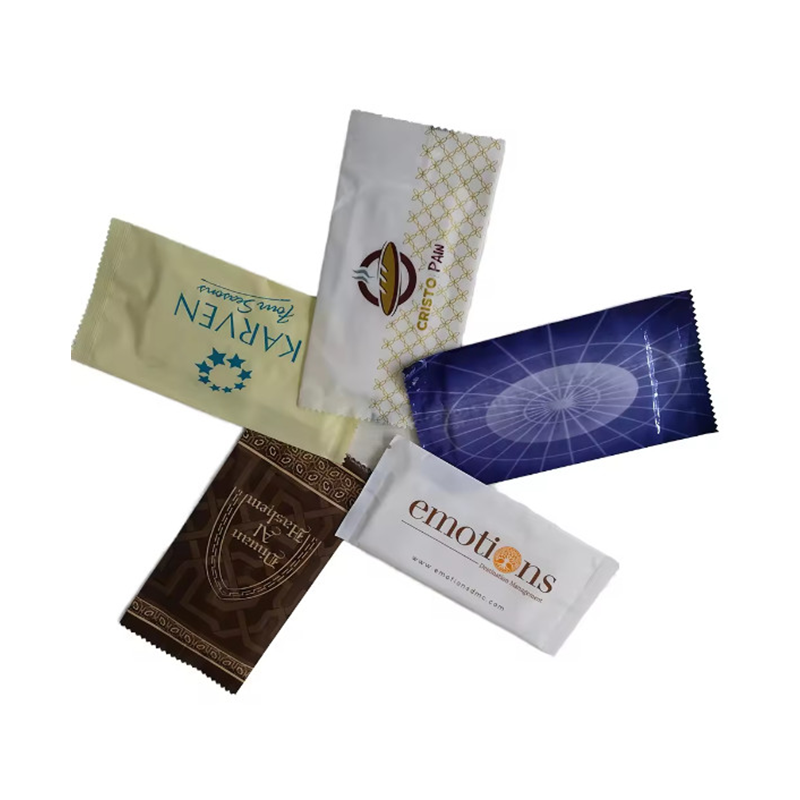
Evaluating the right product demands meticulous attention to packaging format. Bulk packs and single-use packets perform vastly differently under mechanical stress. Bulk packages carry a high risk of catastrophic seal failure. Cabin pressure changes during rapid ascent and descent force air out of soft plastic wrappers. This continuous action weakens the adhesive plastic flap on large packs over time. Once the main seal compromises, the entire stack dries out quickly in the low-humidity cabin air. Furthermore, bulk bundles consume valuable space inside a cramped personal item.
Conversely, individually wrapped wet wipes excel in demanding aviation environments. Single sachets inherently prevent cross-contamination between uses. They retain moisture flawlessly at high altitudes thanks to durable, airtight foil lining structures. These flat packets slide easily into passport wallets, laptop sleeves, or tight seatback pockets. They maximize your packing efficiency while ensuring a fresh, fully saturated wipe every single time you need one.
Comparison of Wipe Packaging Types for Air Travel
| Feature | Bulk Packs | Individually Wrapped Packets |
|---|---|---|
| Moisture Retention | Low at high altitudes due to seal degradation | Excellent due to airtight foil sealing |
| Space Efficiency | Bulky and difficult to pack | Flat, compact, and highly packable |
| Cross-Contamination Risk | High risk after opening | Zero risk per sealed unit |
| Cabin Pressure Tolerance | Poor (flaps pop open) | High (withstands internal expansion) |
Substrate materials and chemical ingredients also dictate practical usability. Manufacturers produce fabrics from bamboo, cotton, polyester, or spunlace nonwoven blends. Spunlace offers superior tear resistance for scrubbing dirty surfaces vigorously. You must perfectly match the chemical formulation to the intended end-use case. Choose gentle, alcohol-free variants enriched with aloe vera for direct skin contact. Opt for EPA-registered sanitizing formulas when heavily wiping down filthy tray tables or armrests.
Let us address a dangerous aviation myth directly. You must never flush any wipe in an airplane lavatory. Aircraft vacuum toilet systems possess incredibly narrow pipes and sensitive valves. Even products explicitly labeled "flushable" will cause catastrophic clogs mid-flight, potentially disabling the entire lavatory system. Airlines enforce a strict "do not flush" rule globally. Always dispose of used products directly in the provided trash receptacles to prevent costly maintenance delays.
Procurement managers encounter highly unique hurdles when sourcing aviation amenities. Airlines, luxury hospitality brands, and corporate travel programs require compliant, reliable products. These critical items must endure extreme temperature fluctuations and sudden pressure changes without degrading. Handing a premium cabin passenger a dried-out wipe damages brand reputation instantly and permanently. Consistency remains the ultimate goal for any commercial deployment.
Success hinges on three core procurement criteria. First, the product must deliver consistent moisture retention throughout its stated shelf life. Second, brands need non-irritating, hypoallergenic formulations proven safe for diverse global passenger demographics. Third, the packaging requires strictly compliant labeling spanning multiple international regulatory jurisdictions. A competent supplier inherently understands these rigid parameters and engineers products to meet them.
Risk mitigation forms the crucial backbone of commercial purchasing strategies. Cheap packaging introduces massive hidden operational costs. Poor thermal seals lead to messy leaks inside catering trolleys or carefully curated passenger amenity kits. Dried-out products generate formal passenger complaints and waste vital operational budgets. Buyers must prioritize robust film structures over baseline unit costs to guarantee positive passenger feedback. Prioritizing quality upfront dramatically reduces subsequent waste management headaches.
Selecting a production partner requires extremely strict vetting protocols. You must demand verified credentials from any baby wipes supplier or commercial fabricator before signing a contract. Legitimate vendors carry official EPA registrations for surface sanitizers. They hold meticulous FDA compliance records for skin-contact cosmetics. Furthermore, internationally recognized ISO certifications demonstrate standardized, repeatable quality control processes on the factory floor.
Customization capabilities successfully separate average suppliers from true industry leaders. A top-tier wet wipes manufacturer easily adapts to highly specific brand requirements. They can produce custom private-label sachets designed precisely for exact amenity kit dimensions. They print high-fidelity logos on durable foil wrappers using food-safe inks. Scalability matters deeply in the aviation sector. Your chosen partner must fulfill small trial runs and massive fleet-wide deployments seamlessly without dropping quality standards.
Supply chain transparency acts as your ultimate business safeguard. You should trace raw materials back to their origin to ensure sustainable harvesting. Request explicit shelf-life guarantees backed by rigorous accelerated aging tests in laboratory conditions. Clarify exact lead times for bulk commercial orders to prevent embarrassing stockouts during peak holiday travel seasons.
Here are essential evaluation steps for vetting a commercial partner:
Smart deployment maximizes the practical utility of these essential hygiene tools. Passengers should practice strategic placement when organizing their bags. Keep a few carry-on wet wipes in an easily accessible exterior bag pocket. You need quick, unobstructed access during the notoriously chaotic boarding process. Vigorously wipe down tray tables, armrests, window shades, and seatbelt buckles before settling into your seat.
Commercial brands and airlines face complex logistical rollout challenges. Distributing single-use travel wet wipes during meal service undeniably elevates the passenger experience. However, cabin crews must carefully balance this luxury against managing excess cabin waste. Thoughtful deployment requires seamlessly integrating wipes into existing meal trays rather than handing them out individually. This logical approach prevents loose wrappers from scattering wildly across the cabin floor.
Proper disposal protocols actively protect delicate aircraft infrastructure. Flight attendants should purposefully collect used wrappers during scheduled pre-departure trash sweeps. Remind passengers politely through PA announcements to use the designated aisle trash carts. Clear communication prevents passengers from hiding used wipes in seatback pockets, which creates unnecessary delays for the ground cleaning crew between flights.
Wet wipes are fully approved for air travel and serve as an indispensable hygiene tool for modern journeys. Security guidelines firmly permit them in all luggage types without complex volume restrictions.
For general consumers, transitioning to individually wrapped options offers the absolute best strategy for personal travel. They save critical bag space, retain vital moisture, and guarantee hygiene readiness anywhere in the world. Always keep a few sealed packets within arm's reach during your flight.
For B2B entities, the required action is equally clear. Procurement teams must aggressively audit their current suppliers immediately. Evaluate packaging integrity, strict regulatory compliance, and formulation safety standards. Upgrading your amenity provisions drastically enhances customer satisfaction and entirely eliminates frustrating in-flight failures. Partner closely with a transparent, highly certified manufacturer to secure superior products for your next commercial rollout.
A: No, makeup wipes do not count as a liquid. They follow the exact same TSA rules as standard hygiene wipes. Because the cleansing formula absorbs entirely into the cloth substrate, they are officially considered solid items. You can pack them freely in your carry-on luggage without attempting to squeeze them into your quart-sized liquid bag.
A: Yes, you can bring large bulk packs through the security checkpoint. They do not face stringent volume restrictions. However, TSA agents may subject bulky packages to a brief visual inspection or swab test. This routine check ensures no hidden liquids exist inside the packaging. Leave them easily accessible in your bag to expedite screening.
A: Frequent use of harsh chemical cleaners can degrade aviation plastics over time. High-concentration bleach or quaternary ammonium formulas slowly strip protective fire-retardant coatings from tray tables. Airlines generally approve specific, non-corrosive cleaning agents for cabin interiors. For personal use, occasional wiping poses minimal risk, but alcohol-free alternatives remain considerably safer for aircraft materials.
A: Sealed individually wrapped packets typically last between 12 to 24 months. The airtight foil reliably prevents moisture evaporation. Conversely, an opened bulk pack degrades rapidly. It can dry out completely within weeks, especially after exposure to extremely low-humidity airplane cabins. Always verify the printed expiration date before packing them for a long trip.