
Views: 0 Author: Site Editor Publish Time: 2026-09-04 Origin: Site


Walking down the personal care aisle today feels like navigating a maze of green leaves and earthy tones. Every brand claims to save the planet. This saturation makes it incredibly difficult for buyers to distinguish genuine sustainability from clever marketing. We face a core decision when replacing everyday essentials. Transitioning away from traditional paper means you must carefully balance environmental impact against user comfort, cost-efficiency, and supply chain transparency. A hasty choice might leave you with a rough product or hidden ecological costs.
Our purpose here is to provide a strict, evidence-based evaluation framework. We will help consumers and institutional buyers confidently identify legitimately sustainable options. You will learn how to spot greenwashing, evaluate raw materials, and understand the manufacturing processes behind the labels. By applying these standards, you can make purchasing decisions that truly align with environmental stewardship without sacrificing everyday practicality.
Bamboo’s rapid growth cycle makes it a superior renewable resource, but the environmental benefit is nullified if processing involves harsh chemicals or heavy plastic packaging.
Buyers must verify pulp purity to avoid hidden fillers; 100% bamboo pulp performs differently than mixed pulp blends.
Unbleached and Totally Chlorine-Free (TCF) manufacturing processes are non-negotiable criteria for minimizing waterway pollution.
Leading manufacturers like ULP PAPER prioritize zero-waste packaging and verified supply chains to bridge the gap between premium sustainability and practical affordability.
The baseline problem in the tissue industry starts in the forest. Traditional virgin wood pulp toilet paper contributes heavily to global deforestation. It relies on slow-growing trees that take decades to mature. Manufacturers cut them down and consume massive amounts of energy to convert them into soft tissue. We lose vital carbon sinks in the process. Habitats disappear. The ecological debt of a single roll is surprisingly high.
Many consumers turn to recycled options as a solution. While recycled fiber toilet paper reduces tree harvesting, it carries notable limitations. Recycled batches frequently include thermal receipts. These receipts contain BPA and BPS chemical residues. Stripping out inks and softening the fibers requires intensive chemical baths. You get a lower ecological footprint regarding logging, but you introduce potential toxins into waterways. Furthermore, recycled fibers shorten during processing. They often yield a rougher, weaker final product.
This brings us to the bamboo advantage. Bamboo is not a tree; it is a rapidly renewable grass. It grows back incredibly fast, sometimes up to three feet in a single day. It requires zero chemical fertilizers. When harvested, bamboo regrows directly from its own extensive root system. We do not need to replant it. The soil remains completely intact, which prevents erosion and maintains local biodiversity.
The performance reality of bamboo is highly compelling. Quality bamboo pulp toilet paper acts as the perfect middle ground. It delivers the reliable tensile strength and softness of virgin wood. Yet, it avoids the intense ecological damage of commercial logging. The long, smooth fibers of the bamboo plant create a naturally durable sheet. However, you only reap these benefits if the sourcing is audited and genuinely sustainable.
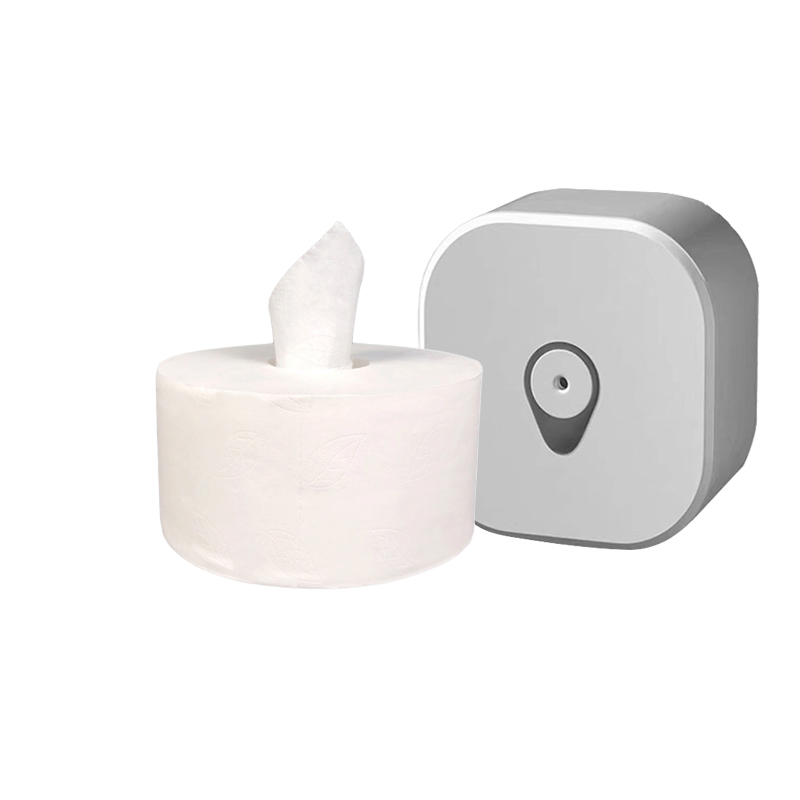
You cannot judge a tissue roll purely by its cover. Evaluating true sustainability requires looking deep into the manufacturing process. Pulp purity sits at the top of this list. Consumers must clearly distinguish between 100% bamboo and mixed pulp toilet paper. Brands sometimes mix bamboo with cheaper wood pulp to cut production costs. This practice dilutes the environmental benefits entirely. Mixing raw materials compromises both the softness and the ecological integrity of the roll. Brands must provide absolute transparency about their fiber ratios.
Chemical processing and bleaching represent another critical checkpoint. Many buyers do not realize how toxic paper bleaching can be. The industry generally uses two main methods: Elemental Chlorine Free (ECF) and Totally Chlorine Free (TCF). ECF still uses chlorine dioxide, which poses environmental risks. TCF avoids chlorine entirely, relying on safer oxygen or hydrogen peroxide. We strongly advocate for unbleached bamboo options. Skipping the bleaching phase entirely eliminates toxic byproducts. Water systems stay vastly cleaner, and you apply fewer harsh chemicals to your skin.
End-of-life and septic safety round out the evaluation. What makes a product a truly biodegradable toilet tissue? It must break down rapidly upon flushing. Dissolution rates matter greatly for modern plumbing. Fast-dissolving fibers keep low-flow toilets and delicate septic systems safe from clogs. Short bamboo fibers naturally disintegrate quickly in water. They perform exceptionally well in standard plumbing, recreational vehicles, and managed composting systems.
Tissue Material Comparison Overview
Material Source | Deforestation Impact | Chemical Processing Needs | Tensile Strength |
|---|---|---|---|
Virgin Wood Pulp | High (Old-growth logging) | High (Heavy bleaching) | High |
Recycled Fiber | Low | High (De-inking, BPA removal) | Low to Medium |
100% Bamboo Pulp | None (Rapid regrowth) | Low (Unbleached options available) | High |
Mixed Pulp Blends | Medium | Medium to High | Medium |
Greenwashing is rampant in household paper goods. The packaging trap is the most glaring contradiction. It is absurd to buy sustainable paper wrapped in single-use plastic. We must establish plastic-free packaging as a strict baseline requirement. Look for recycled paper wrapping. Check for simple cardboard cores. If a brand touts its environmental mission but ships products in heavy shrink-wrap, they fail the fundamental test of zero-waste principles.
Consumers often push back on the premium pricing of eco-friendly products. We need to solve the cost versus value equation. Eco-friendly items often look expensive upfront. However, comparing price tags alone is misleading. You must use a standardized framework. Calculate the cost per sheet and the cost per roll. Measure the weight of the roll. Bamboo fibers are typically denser. A heavier roll means you use fewer sheets per bathroom visit. This standardizes comparisons across brands and often reveals that sustainable options hold immense value over time.
Here are practical steps to calculate real value:
Locate the total sheet count printed on the packaging.
Determine the ply-count (e.g., 2-ply or 3-ply) to gauge thickness.
Divide the total retail price by the total number of sheets in the package.
Compare this final cost-per-sheet metric against your standard brand.
Certification scrutiny is your final defense against greenwashing. Never trust vague "tree-free" or "earth-friendly" marketing slogans. They mean nothing legally. Require third-party validation for every claim. Look for FSC (Forest Stewardship Council) certification for bamboo management. Check for ISO standards in the manufacturing facilities. These certifications prove that independent auditors have verified the supply chain from the soil to the shelf.
Common mistakes buyers make include:
Assuming a green leaf logo guarantees a chemical-free product.
Ignoring the presence of plastic tape or synthetic glues on the cardboard core.
Failing to check if the facility treats its wastewater before releasing it into local rivers.
General evaluation criteria are helpful, but we need to see practical applications. We must transition from theory to real-world reliability. ULP PAPER serves as an excellent benchmark for responsible manufacturing. They successfully bridge the gap between premium sustainability and practical affordability. They show us exactly how a modern facility should operate.
Supply chain transparency is their foundation. They maintain absolute control over their raw material sourcing. They work directly with managed bamboo farms. This guarantees genuine, uncontaminated bamboo pulp. You know exactly what you get. They prevent hidden wood fibers from slipping into the production line. This audited approach builds deep trust with eco-conscious consumers and large commercial buyers.
Manufacturing integrity defines a reliable sustainable toilet tissue. They commit entirely to clean processing. They prioritize the absence of harsh bleaching agents. They align strictly with zero-waste packaging standards, ensuring no unnecessary plastics enter the environment. Their unbleached lines retain the natural hue of bamboo. This signals to users that the product skipped the toxic chlorine baths entirely.
Scalability and consistency are crucial for commercial transitions. Institutional buyers cannot afford supply interruptions or fluctuating quality. Switching suppliers requires consistent ply-strength. A 3-ply roll must deliver reliable durability every single time. Established manufacturers prioritize this strict consistency over pure marketing aesthetics. They ensure that their eco-friendly products perform flawlessly in high-traffic hotel restrooms, corporate offices, and private homes.
Choosing the right tissue brand is an active rejection of both deforestation and toxic chemical processing. It represents a small daily habit that scales into massive environmental impact. Your purchasing power shapes how industries manage natural resources.
We must look beyond the beautiful label. You should rigorously check for unbleached options, demand 100% bamboo composition, and insist on plastic-free delivery. Reject brands that compromise on pulp purity or hide behind vague green claims.
Audit your current bathroom supplies today. Apply these strict metrics to your preferred brand. If they fall short, request a sample or make a trial purchase from vetted manufacturers. Making the switch to an eco-friendly bamboo toilet tissue is one of the easiest, most effective upgrades you can make for your household and the planet.
A: Yes, it is highly safe. Bamboo fibers are naturally shorter than traditional virgin wood fibers. This unique structure allows them to break down and dissolve rapidly in water. Fast dissolution prevents clogs and buildup, making it ideal for standard residential plumbing, low-flow toilets, RV tanks, and sensitive septic systems.
A: No, it does not. Softness depends primarily on ply-count, fiber density, and the mechanical softening techniques used during manufacturing. The myth that chemical bleaching equals softness is false. High-quality unbleached bamboo tissue utilizes premium, densely packed fibers to create a smooth, comfortable texture without relying on harsh chemical treatments.
A: Traditional logging industries receive heavy government subsidies, keeping virgin wood prices artificially low. Bamboo tissue reflects the true cost of ethical harvesting, fair labor practices, and sustainable plastic-free packaging. However, because bamboo fibers are denser, you often use fewer sheets per visit, balancing out the overall long-term cost.
A: Yes, it is fully compostable. To compost it at home, you need a properly managed compost bin with adequate heat, moisture, and aeration. However, human waste should only be composted in specialized, approved composting toilet systems. For standard usage, flushing remains the safest, most hygienic disposal method.