
Views: 0 Author: Site Editor Publish Time: 2026-09-05 Origin: Site


You have probably seen the viral videos making the rounds online. Most people suddenly realize they have been deploying standard restroom covers backward their entire lives. It is a mind-bending moment. You must rethink a daily habit you assumed you understood completely. You know the usual routine well. You deal with the frustration of tearing thin paper. You hate slipping covers. You feel general anxiety around public restroom hygiene. It often feels like a losing battle against microscopic threats.
We must shift our focus today. We move from just operational mechanics to true functionality. Does your current cover provide a real barrier? Or does it merely offer psychological comfort? This guide provides the definitive operational manual. We explain how to use standard covers correctly. We also offer an evidence-based framework. You will learn exactly how to select and upgrade your personal hygiene products effectively.
The internet recently exploded with a viral correction. Millions discovered the intended design of a standard half-fold paper toilet seat cover. You probably place the center flap toward the back of the bowl. Manufacturers actually design it to go toward the front. The flap should dip directly into the water pool.
You can master these simple operational mechanics by following three steps.
Best Practice: Always dry your hands completely before pulling a new sheet. Wet hands will dissolve the thin paper instantly. You prevent transferring moisture from the sink directly onto your fresh barrier.
This designed method sounds perfect in theory. However, it often fails in real-world scenarios. High-flow commercial toilets frequently splash the delicate paper prematurely. You might find the cover sucked away before you even sit down. High humidity environments also weaken the paper inside the dispenser. This brings us to a harsh reality. Standard designs have significant limitations.
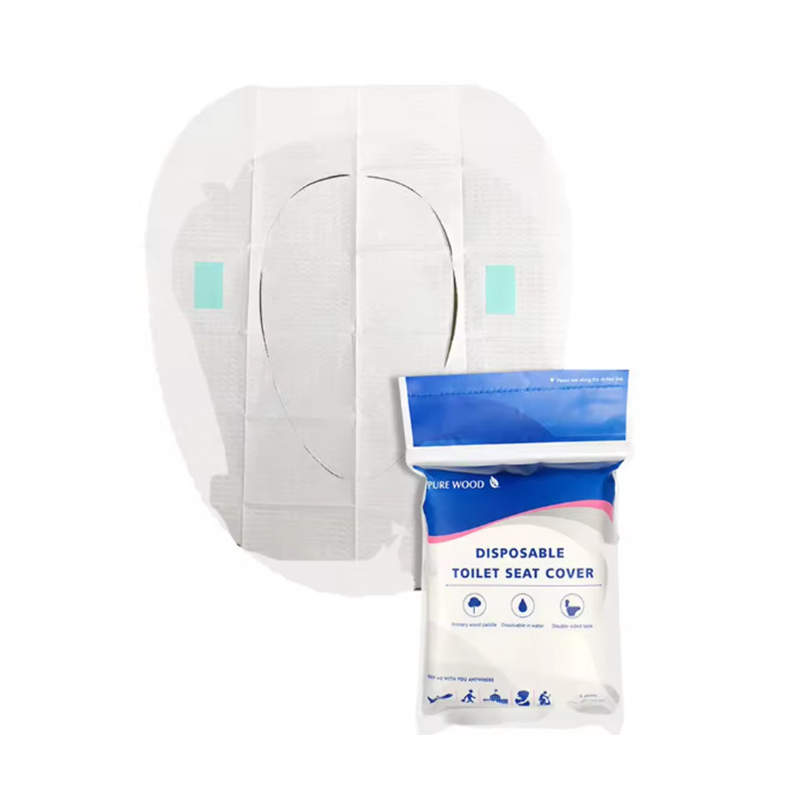
We must shift to a skeptical, evidence-based assessment. Why do traditional options let us down so consistently? You place a standard toilet seat cover down expecting absolute protection. The microbial reality tells a completely different story.
Scientific consensus confirms dry, intact skin serves as your primary defense against pathogens. Microbes do not easily penetrate healthy human skin. Therefore, ultra-thin paper covers mostly offer psychological comfort. They do not effectively prevent disease transmission on their own. The medical community widely agrees on this specific fact.
Material flaws make matters worse. Standard paper completely lacks a moisture barrier. It relies entirely on capillary action. If the seat is wet, bacteria and liquids instantly transfer through the porous material. You essentially sit on a damp sponge. The paper absorbs everything underneath it.
Common Mistake: People often try to double or triple-layer standard paper. They hope this creates a better moisture barrier. It fails. Multiple layers of porous paper will still absorb liquids rapidly. It just creates unnecessary waste.
This glaring flaw acts as a primary decision trigger. Frequent travelers quickly abandon standard paper. Parents of young children do the same. Managers of premium facilities upgrade their supplies. They actively seek specialized alternatives for genuine, scientific protection. They demand products stopping moisture dead in its tracks.
Let us compare standard flushable paper against waterproof solutions. A high-quality disposable toilet seat cover changes the entire dynamic. Polyethylene (PE) coated covers provide structural integrity entirely missing from basic options. You must evaluate these products based on specific criteria.
You must acknowledge a strict trade-off here. Waterproof effectiveness conflicts directly with plumbing impact. PE-coated covers cannot go down the drain. You must place them in the trash bin. Flushing them will destroy plumbing systems rapidly. You trade flushability for guaranteed hygiene.
| Feature Matrix | Standard Thin Paper | PE-Coated Disposable |
|---|---|---|
| Moisture Barrier | Zero (Highly Porous) | 100% Waterproof |
| Flushability | Yes (Rapid Dissolve) | No (Must be binned) |
| Stability on Seat | Low (Slides easily) | High (Adhesive tabs) |
| Coverage Area | Inner bowl only | Oversized (Covers edges) |
Personal procurement requires specific evaluation criteria. Think about road trips. Picture chaotic airports. Imagine rugged camping sites. Consider traveling with impatient toddlers. Upgrading your travel toilet hygiene demands highly practical solutions. You cannot rely on whatever a gas station provides.
Consider the form factor and packaging first. Pocket-sized solutions fit easily into purses or backpacks. Individually wrapped sheets remain sanitary during transit. Bulk packs work better for facility use, but they fail during travel. They get crumpled in your bag. Space and convenience dictate your best choices on the road.
We must also assess user adoption reality. Speed of deployment matters immensely. If a travel cover takes two minutes to unfold and stick down, parents will abandon it. A toddler simply will not wait. You need quick, intuitive application. The adhesive strips must peel away effortlessly.
Best Practice: Pre-open the individual wrapper while waiting in line. You save valuable seconds once inside the stall. This prevents panic when dealing with an urgent situation.
Change your search habits immediately. Look for specific key phrases when buying supplies online. Search for "extra-large coverage." Look for "adhesive strips." Type in "waterproof travel covers." Stop buying generic paper options expecting premium results. Specificity guarantees you purchase actual protection.
Facility managers face highly unique business problems. They evaluate bulk purchasing differently than consumers. Cheap covers lead to persistent dispenser jams. They also create incredibly high waste. Users grab three or four sheets at once trying to build a thicker barrier. This behavior inevitably clogs commercial plumbing.
Compliance and scalability criteria remain non-negotiable for commercial buyers.
Authoritative sourcing requires due diligence. Always request sample packs first. Ask for technical data sheets from any prospective toilet seat cover manufacturer. Never sign a bulk supply contract blindly. Verify paper quality through physical testing in your own restrooms. Watch how the paper interacts with your specific flush valves.
Common Mistake: Buyers often purchase based solely on the lowest cost per case. They ignore the labor costs associated with unclogging toilets. They also ignore the labor of refilling jammed dispensers. Always prioritize material integrity over a cheap sticker price.
Knowing how to place the front flap correctly represents only half the battle. Knowing what material you are placing matters far more. Actual public restroom hygiene depends on material integrity. It does not rely on clever folding alone. You now possess the knowledge to identify true protective barriers.
We encourage consumers to upgrade their personal travel kits immediately. Add waterproof, adhesive-backed options before your next trip. You will experience unprecedented peace of mind. We urge facility managers to audit their current supply chains. Check paper thickness today. Monitor dispenser reliability closely. Better hygiene supplies create better experiences for everyone.
A: It goes in the front. Manufacturers design the center flap to dip directly into the water at the front of the bowl. This strategic placement allows the water to catch the paper. It pulls the sheet down automatically during the flush.
A: They block dry contact, but they offer zero protection against moisture. If the seat is wet, bacteria transfer instantly through porous paper. Scientifically, your intact human skin acts as the primary barrier against everyday pathogens.
A: No. Standard paper versions are usually flushable. However, waterproof or travel-specific covers feature a plastic PE backing. You must throw these in the trash. Flushing plastic-backed covers will cause severe plumbing issues.
A: This often happens due to overstuffing the dispenser. Poor manufacturer perforation standards also cause persistent tearing. Facility managers should check these key metrics during procurement to reduce waste and user frustration.