
Views: 0 Author: Site Editor Publish Time: 2026-09-08 Origin: Site


We have all stared at a public bathroom dispenser, wondering exactly which way the fragile paper should face. Getting this seemingly simple action wrong regularly leads to frustrating plumbing clogs. It also creates a remarkably poor user experience for the next person in line. Proper usage goes far beyond personal comfort in a busy public restroom. It serves as a crucial factor in commercial facility management, routine plumbing maintenance, and even your personal travel readiness. When everyday users misuse these delicate protective layers, commercial restrooms often face severe and expensive maintenance backups.
This comprehensive guide breaks down the precise mechanical steps you need for correct bowl placement. We also provide a robust decision framework for facility buyers evaluating material types and flushability standards. Read on to master commercial procurement and everyday restroom hygiene without ever second-guessing your approach again.
Mastering the correct application technique prevents frustration. It also keeps restroom facilities operating smoothly. Follow these exact mechanical steps for standard paper models.
Public dispensers often jam. You must pull the paper out carefully to maintain its structural integrity. Grasp the center of the exposed edge. Pull it straight down using a smooth, even motion. Pulling from an angle causes the thin tissue to rip. Ripped paper forces you to start over. This wastes valuable product and slows down restroom traffic.
Most people misunderstand the center flap. You should never tear this piece off completely. Gently push the perforated center section inward. Leave it securely attached at the front edge. This dangling piece of paper serves a highly specific mechanical purpose. It acts as an anchor during the flushing process.
This step solves the most common user debate. The U-shaped flap goes at the front of the toilet bowl. It must descend directly into the standing water. Placing the flap at the back is a widespread mistake. Back-placement prevents the auto-flushing mechanism from working. Always point the attached flap toward the front.
Modern restrooms heavily utilize automatic flush sensors. These sensitive beams often trigger prematurely. A premature flush sucks your paper down before you even sit. To prevent this, drape a piece of standard toilet tissue over the wall sensor. You can also place your hand over the sensor while positioning the paper. Remove your block only when you finish.
Proper orientation makes manual disposal entirely unnecessary. When you trigger the final flush, the water level rises. The rushing water grabs the submerged front flap. The water pressure pulls the entire sheet down the drain automatically. You never need to touch the used paper. This touchless exit highlights the genius behind the front-flap design.
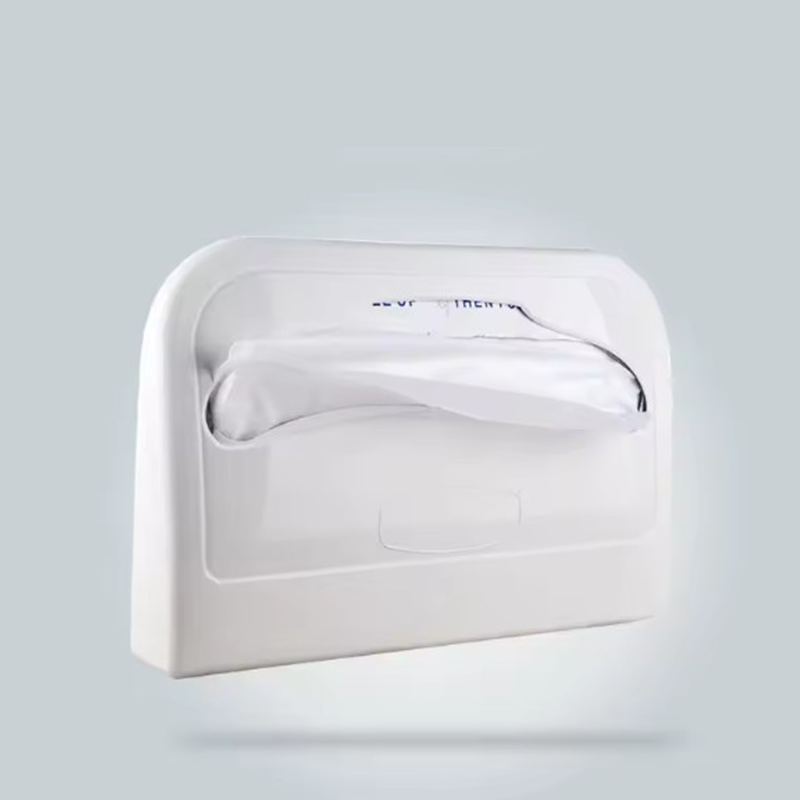
Facility managers and everyday consumers face different hygiene challenges. Selecting the right product depends entirely on the usage environment. We categorize these solutions into three distinct types.
| Category Type | Core Material | Key Benefits | Primary Drawbacks | Best Use Case |
|---|---|---|---|---|
| Standard Flushable | Thin paper tissue | Biodegradable, very low cost, self-flushing | Susceptible to moisture tearing, thin barrier | High-traffic corporate or hospitality restrooms |
| Waterproof / Plastic-Backed | Paper top, PE plastic film base | Absolute moisture barrier, highly tear-resistant | Strictly non-flushable, requires manual disposal | Heavy-duty travel, outdoor portable toilets |
| Oversized Drape | Thick pulp or non-woven fabric | Covers sides and front of porcelain entirely | Bulky to carry, frequently non-flushable | Toddlers and children holding onto seat edges |
You find these ubiquitous products in nearly every shopping mall and office building. Manufacturers engineer them for rapid dissolution. They break down quickly in standard municipal plumbing systems. They offer a very low cost per unit. However, they provide a very thin physical barrier. Moisture on the seat easily penetrates the tissue. They work best in high-traffic environments prioritizing fast, touch-free disposal.
Some situations demand extreme protection. Waterproof models feature a soft paper top layer bonded to a thin polyethylene plastic base. They block all liquid transfer. They resist tearing even under heavy movement. Unfortunately, you can never flush them. They will destroy plumbing systems rapidly. You must dispose of them manually in a trash bin. They excel in outdoor festivals and rugged environments.
Children interact with public restrooms differently than adults. Toddlers frequently grab the edges of the porcelain to balance themselves. Standard sizes fail to protect these side areas. Oversized drape covers hang over the edges completely. They create a massive sanitary footprint. Parents favor them heavily, despite their bulkier packaging and higher price point.
Public transit hubs present unpredictable sanitary conditions. Airport terminals and highway gas stations frequently run out of supplies. Relying on facility-provided stock leaves you vulnerable to hygiene gaps. Mastering travel toilet hygiene requires proactive planning.
Janitorial schedules rarely match peak travel hours. You might enter a stall only to find an empty dispenser. Furthermore, high-traffic restrooms often feature wet surfaces. A thin, facility-provided tissue dissolves instantly upon contact with this moisture. Travelers need predictable, reliable solutions in their carry-on bags.
Procurement teams view restroom supplies through an operational lens. Buying in bulk requires balancing end-user satisfaction against hidden maintenance costs. A poor purchasing decision quickly escalates facility repair budgets.
Facility managers evaluate success based on two conflicting metrics. First, they need high user satisfaction driven by perceived hygiene. Second, they must minimize operational overhead. Operational overhead includes plumber callout fees and daily restocking frequency. The cheapest wholesale option often causes the most expensive plumbing blockages.
Buyers frequently overlook fold types. The industry standardizes around Half-Fold and Quarter-Fold designs. Buying Half-Fold paper for a Quarter-Fold dispenser creates immediate chaos. Users will pull the paper, and it will tear instantly. Torn paper leads to dispenser jams. This mismatch creates massive product waste and angers building occupants. Always audit your wall hardware before issuing a purchase order.
The term "flushable" lacks strict universal regulation. Many cheap imports claim flushability but fail to dissolve in cold water. Non-dissolving products accumulate in commercial pipes. They combine with grease and waste to form massive clogs. Facility managers face extreme financial risk here. Smart buyers request product samples. They perform a manual "slosh test" in a bucket of water to verify rapid-dissolve claims before buying pallets of product.
Do not evaluate vendors on unit price alone. Calculate the true cost-per-use. Factor in the dissolution rate (how many seconds it takes to break down). Also, consider the packaging footprint. High-density packaging requires less storage space in your janitorial closets. It also reduces restocking trips for your custodial staff.
Understanding product features helps you match the item to its intended outcome. A feature that adds value for a traveler might ruin a commercial facility. Evaluating a flushable seat cover requires nuanced judgment.
Thicker paper feels luxurious. It provides a comforting psychological barrier for the user. However, increased thickness directly elevates clog risks. You must strike a delicate balance. Look for manufacturers utilizing virgin pulp blends. Virgin pulp fibers interlock tightly for strength when dry. Yet, they disperse rapidly when agitated by rushing water. Recycled blends sometimes require chemical binders that slow down the dissolution process.
Some premium models feature dual adhesive strips on the underside. These sticky tabs prevent the paper from sliding off the seat when you turn around. Do they add actual value? For a parent wrestling a toddler, they provide immense value. For a commercial buyer, they spell disaster. Adhesives stick to porcelain. Custodians must then scrape sticky residue off every seat during nightly cleaning. Avoid adhesive models for commercial procurement.
Corporate sustainability goals heavily influence purchasing decisions. Assess vendors for FSC (Forest Stewardship Council) certifications. FSC certification ensures the pulp originates from responsibly managed forests. Evaluate recycled content claims carefully. Ensure the inclusion of post-consumer waste does not negatively impact the product's flushability. Meeting corporate ESG goals remains crucial, but you cannot sacrifice basic plumbing functionality to achieve it.
Using these products correctly fundamentally hinges on understanding the front-flap mechanics. This simple U-shaped punch-out leverages water pressure to automate disposal. Conversely, buying the right product hinges entirely on matching the core material to the usage environment. Commercial spaces need rapid-dissolving tissue. Travelers require rugged, waterproof barriers.
You should maintain a healthy skepticism regarding restroom hygiene. These protective layers provide excellent peace of mind. They offer a dry, comfortable physical barrier against unpleasant moisture. However, intact human skin already acts as a brilliant biological shield. Regular, thorough handwashing with soap remains your primary defense against harmful restroom pathogens.
Take action based on your specific needs today. Commercial buyers should immediately contact vendors to request wholesale samples. Test these samples in your existing wall dispensers to verify fold compatibility. Individual travelers should evaluate their upcoming itineraries. Purchase a high-quality travel pack featuring individually wrapped, waterproof barriers before your next flight.
A: The flap always goes in the front. You must position the punched-out section so it hangs down into the front of the bowl. When the toilet flushes, the rushing water catches this dangling paper. The water pressure automatically pulls the entire sheet down the drain. Placing it in the back prevents this self-flushing action.
A: No. Standard commercial paper models easily flush and dissolve quickly. However, heavy-duty travel models often feature a plastic or polyethylene backing to block moisture. You can never flush plastic-backed variants. Flushing them will immediately clog pipes and damage municipal sewer systems. Always check the packaging.
A: We strongly advise against flushing multiple sheets simultaneously. Commercial plumbing systems handle single layers of rapid-dissolving tissue perfectly. Layering three or four sheets creates a thick, resilient clump. Water cannot penetrate this clump quickly enough to break it apart, leading to expensive blockages.
A: They primarily offer comfort and hygiene perception. Intact human skin already acts as a highly effective barrier against surface bacteria. Diseases rarely transfer through skin contact with a seat. However, they effectively protect you from unpleasant moisture, urine splashes, and basic surface grime. Thorough handwashing remains your best protection.