
Views: 0 Author: Site Editor Publish Time: 2026-09-09 Origin: Site


Consumer skepticism regarding everyday household staples continues to rise globally. Recently, independent environmental and dermatological studies identified trace chemicals in conventional bathroom products. These hidden substances include controversial PFAS, often found in standard toilet paper. This alarming discovery demands a closer look. We must shift the current narrative away from pure alarmism toward objective evaluation. Standard brands are not immediately toxic in a lethal sense. However, chronic exposure to heavy chemical processing poses real risks. Bleaching agents and airborne micro-dust create legitimate skin health and environmental concerns. We interact with these products daily, making cumulative exposure a serious consideration. This article provides a clear framework for consumers and procurement managers. You will learn how to evaluate tissue safety effectively. We explore core material differences across the modern market. Ultimately, our goal is to help you confidently select products. You can seamlessly balance daily hygiene, plumbing infrastructure safety, and long-term health.
Trace amounts of PFAS ("forever chemicals") and chlorine byproducts in conventional toilet paper are driving a shift toward alternative materials.
Recycled toilet paper offers environmental benefits but carries hidden risks of BPA/BPS contamination from repurposed thermal receipts.
Bamboo toilet paper is emerging as the leading skin-friendly toilet tissue due to its hypoallergenic properties and chemical-free processing potential.
Evaluating a product requires looking beyond marketing claims to verify Total Chlorine-Free (TCF) processing and genuine water-soluble toilet paper metrics to protect both health and plumbing.
Most buyers expect premium hygiene from their bathroom tissues. Instead, they often purchase heavily processed cellulose. Brands constantly prioritize extreme plushness and brilliant white aesthetics. They achieve these traits using complex chemical cocktails. This creates a significant gap between perceived cleanliness and actual chemical exposure. You likely assume a sterile product. Yet, manufacturers utilize numerous synthetic additives to improve texture and shelf appeal.
Recent studies from major environmental working groups highlight these hidden contaminants. Researchers found per- and polyfluoroalkyl substances (PFAS) in multiple top-selling brands. Manufacturers rarely add PFAS intentionally as active ingredients. Instead, they use them as industrial lubricants on massive manufacturing machinery. The paper fiber absorbs these forever chemicals during production. Furthermore, companies rely on chlorine derivatives to bleach raw wood pulp. This whitening process inadvertently generates dioxins. Dioxins are highly toxic environmental pollutants. They accumulate in human tissue and waterways over time.
Daily use of chemically treated paper directly harms your skin. Many conventional rolls produce excessive lint and particulate matter. This high-lint material contributes to microscopic abrasions on delicate skin. Over time, these tiny scratches disrupt your natural dermal barrier. They frequently cause vulvar irritation, micro-tears, and painful contact dermatitis. Medical professionals increasingly recommend dust-free toilet paper for sensitive demographics. Airborne particulates can also irritate mucous membranes and exacerbate respiratory allergies.
Experts offer a highly balanced consensus regarding these dangers. Dermal absorption of PFAS from brief skin contact remains relatively low. You will not experience acute poisoning from a single roll. However, the cumulative environmental impact is severe. We flush millions of contaminated rolls into municipal wastewater systems daily. Furthermore, localized skin sensitization is highly documented among chronic sufferers of dermatitis. Switching to cleaner, transparently manufactured alternatives reduces both personal health burdens and broader ecological damage.
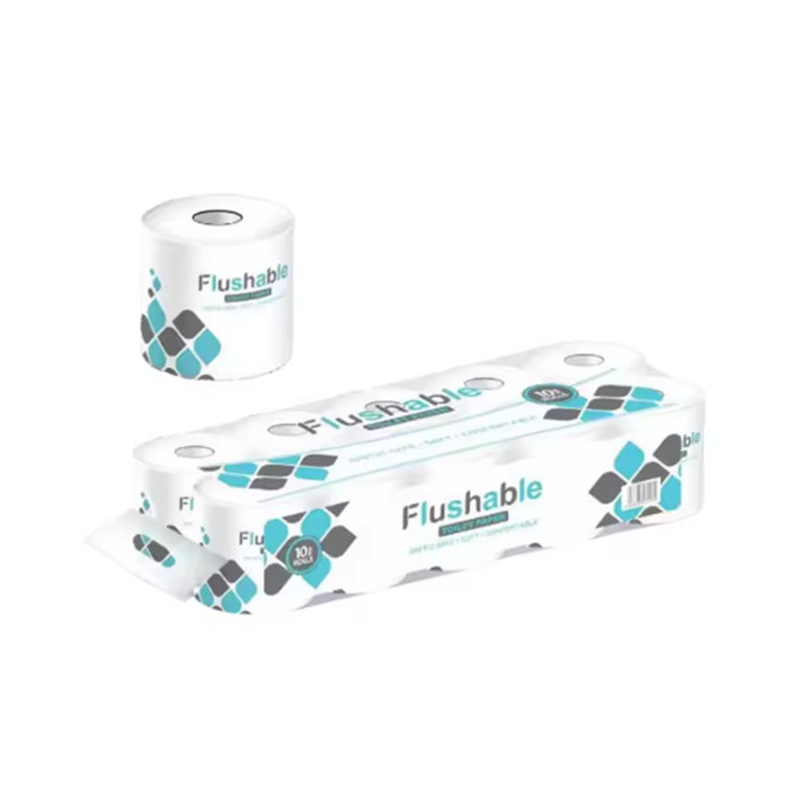
Understanding what goes into your bathroom tissue helps you make informed choices. The market primarily offers three distinct material categories. Each option carries unique benefits and distinct drawbacks.
Table 1: Material Comparison Overview
Material Type | Primary Benefit | Primary Drawback |
|---|---|---|
Virgin Wood Pulp | Industry standard for softness and strength | High deforestation impact and chemical use |
Recycled Fibers | Diverts paper waste from landfills | Risk of legacy chemical contamination (BPA) |
Alternative Fibers (Bamboo/Hemp) | Rapidly renewable and naturally hypoallergenic | Potential supply chain opacity |
This category dominates grocery store shelves globally. Consumers love virgin wood pulp toilet paper because it provides exceptional softness. The long fibers extracted from fresh timber offer high structural integrity. However, this comfort comes at a massive ecological cost. The industry relies heavily on clear-cutting mature forests. This practice destroys vital carbon sinks. Additionally, processing raw wood requires aggressive chemical pulping. Manufacturers depend on elemental chlorine or its derivatives to strip away lignin and whiten the paper.
Many eco-conscious buyers choose recycled toilet paper to reduce their environmental footprint. This option successfully diverts vast amounts of paper waste from landfills. It also boasts a significantly lower carbon footprint than virgin pulp. Unfortunately, it carries a high risk of legacy chemical contamination. Recycled paper streams often include discarded thermal receipt paper. These receipts use Bisphenol A (BPA) and Bisphenol S (BPS) as color developers. Standard repulping processes do not remove these endocrine disruptors. Consequently, they end up in the final bathroom tissue.
Alternative fibers represent the fastest-growing segment in sustainable personal care. Bamboo is a rapidly renewable grass, not a tree. It regenerates quickly without replanting. High-quality bamboo toilet paper requires fewer harsh chemical enzymes to break down into pulp. This natural efficiency creates a strong, highly absorbent, and extremely skin-friendly toilet tissue. However, buyers must remain vigilant. Supply chain opacity is a known issue. You face a risk of greenwashing if the manufacturing process still utilizes heavy chemical bleaching to whiten the bamboo fibers.
Consumers rarely consider what happens after they press the flush lever. Yet, municipal wastewater facilities face a growing nightmare. There is a massive disconnect between clever consumer marketing and actual plumbing infrastructure realities. Aging pipes simply cannot handle modern, ultra-plush bathroom products.
We must separate marketing jargon from scientific reality. Brands frequently label thick, multi-ply products or wet wipes as flushable. Break down the true definition of flushable toilet paper carefully. "Flushable" legally only means the item can physically pass through your toilet bowl. It does not mean it will break down safely. Many flushable wipes and ultra-ply papers contain hidden synthetic binders. These plastic-based resins provide wet strength. When flushed, they refuse to disintegrate. They bind with household greases in the sewer. This reaction creates massive pipe blockages, infamously known as "fatbergs."
To protect your home and city, you must look for a stricter technical standard. You need true water-soluble toilet paper. This term guarantees mechanical safety. The evaluation criteria are strict. The paper must disintegrate rapidly upon mild agitation in water. It must achieve this without relying on any synthetic binding agents. True water-soluble products dissolve into harmless cellulose mush within minutes. This protects delicate septic systems, older cast-iron plumbing, and expensive municipal pumps.
Navigating supermarket aisles requires specific knowledge. You cannot rely on packaging buzzwords alone. Use these evaluation criteria to audit a brand effectively.
First, test for chemical transparency, commonly known as the bleach test. Most brands boast about being chlorine-free. However, you must avoid ECF (Elemental Chlorine Free) products. ECF processes still use dangerous chlorine dioxide derivatives. Instead, mandate TCF (Totally Chlorine Free) or PCF (Processed Chlorine Free) labels. TCF uses safe alternatives like hydrogen peroxide or ozone. These unbleached or safely whitened options prevent dioxin exposure entirely.
Next, consider lint and particulate testing. Cheaply made tissue sheds visible dust clouds when torn. Guide your purchasing decisions toward explicitly manufactured dust-free products. High-quality fibers tightly woven together prevent excessive shedding. This simple switch mitigates respiratory irritation. It also protects vulnerable mucous membranes from abrasive micro-lint.
Finally, rely on authoritative certifications. Look for third-party verification to shortcut your research.
FSC Certification: Ensures the raw wood or bamboo is harvested from responsibly managed forests.
OEKO-TEX Standard 100: Verifies the final product is rigorously tested for harmful chemical residues.
B-Corp Certification: Guarantees the brand meets high standards of supply chain ethics, worker safety, and environmental transparency.
You now understand the hidden risks and material differences. It is time to align your purchasing decisions with your specific household needs. Follow this shortlisting logic.
For Households with Sensitive Skin or Allergies: Prioritize unbleached, TCF-certified bamboo products. This optimizes your bathroom for the ultimate skin-friendly experience. Avoid any dyed or scented varieties.
For Older Homes and Septic Systems: Prioritize rapid-dissolve, 1-ply or 2-ply water-soluble options over ultra-plush virgin pulp. Plumbing safety must override extreme thickness.
For Eco-Conscious Buyers: Weigh your personal trade-offs carefully. Recycled options offer better immediate waste reduction but carry higher chemical contamination risks. Bamboo offers a superior chemical profile but requires you to verify sustainable harvesting practices.
Actionable Advice: Audit your current brand today. Check their website for a Safety Data Sheet (SDS) or look for TCF labeling on the packaging. Transition to a subscription model of a verified, non-toxic alternative. Subscriptions often offset the slight premium pricing of safer products.
The standard tissue rolls sitting in your bathroom are not inherently deadly. You do not need to panic. However, the aggregate chemical load matters significantly. Your daily exposure to chlorine byproducts, potential PFAS, and abrasive lint adds up. Furthermore, the immense environmental damage caused by deforestation and municipal pipe blockages is undeniable. Switching to a safer, transparently manufactured alternative serves as a logical, low-friction lifestyle upgrade.
Take immediate action by auditing your current supply. Look for TCF certifications and verify the absence of synthetic binders. We strongly recommend aligning your next purchase with your primary risk factor. Whether you prioritize delicate skin sensitivity, plumbing limitations, or broad ecological impact, better options exist. Make the switch today to protect your household and the environment simultaneously.
A: No. However, PFAS prevalence is notably high in recycled variants due to contaminated paper streams. It also appears frequently as a manufacturing machinery lubricant in major conventional brands. Choosing specialized, transparently manufactured alternative fibers drastically reduces this risk.
A: Yes. High-quality bamboo tissue is inherently water-soluble. It breaks down efficiently and rapidly in water without relying on synthetic binders. This makes it an excellent, highly safe choice for sensitive household septic systems.
A: It significantly reduces airborne particulates in your bathroom environment. Preventing this micro-lint stops respiratory irritation. More importantly, it prevents microscopic abrasions on highly sensitive skin, reducing the risk of contact dermatitis and bacterial infections.
A: "Flushable" simply means a product physically fits down a toilet pipe without immediate clogging. "Water-soluble" guarantees a stricter technical standard. It ensures the material rapidly disintegrates into harmless fibers in the wastewater system, preventing long-term fatbergs.