
Views: 0 Author: Site Editor Publish Time: 2026-09-30 Origin: Site


It feels natural to question spending extra money on a purely disposable staple. You literally flush this product away. Why pay a higher price for it? But buying cheap options often hides expensive underlying costs. You frequently end up using twice as many sheets per visit. Thin sheets easily tear and ruin the overall user experience. Flimsy paper even causes unexpected plumbing headaches over extended periods. Upgrading to premium toilet paper is not just a frivolous luxury. It requires a calculable decision based on usage efficiency, daily skin health, and overall hygiene. For businesses, this choice heavily dictates brand perception and guest satisfaction. Provided you evaluate the right metrics, you will see a clear return on this daily investment. We will explore structural differences, actual usage rates, and the hidden risks of economy tiers. You will learn exactly when making the switch makes financial and practical sense.
Consumers often wonder what truly separates economy rolls from top-tier alternatives on the supermarket shelf. We must demystify these structural differences. Real value comes down to precise manufacturing engineering rather than simple marketing buzzwords. Premium varieties rely on superior raw materials like refined virgin pulp or sustainably sourced bamboo fibers.
A significant indicator of overall quality is the ply count. Basic rolls usually feature standard 1-ply or lightweight 2-ply construction. These thinner sheets lack density. Upgrading to 3-ply toilet tissue completely changes the physical dynamics of the sheet. Manufacturers stack three separate layers of paper together during production. This multi-layer design naturally traps microscopic air pockets between the sheets. Trapped air drastically increases the overall absorbency of the product. It also provides vital structural strength to prevent accidental tearing during use. You get a robust product capable of handling moisture without instantly disintegrating in your hands.
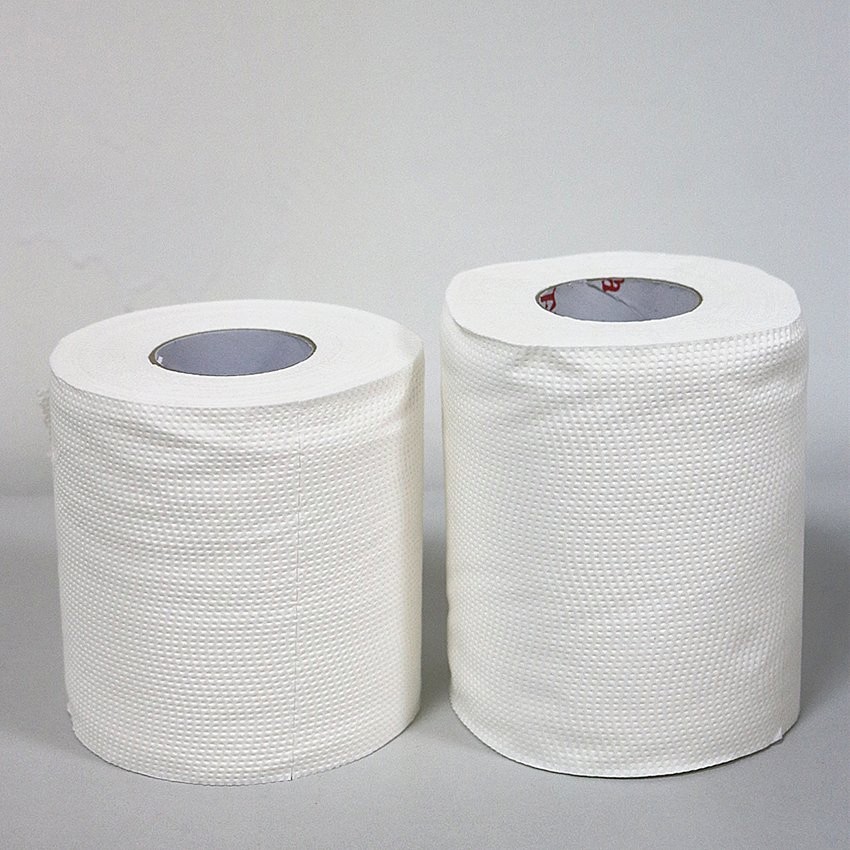
Physical structure is only half the equation. How manufacturers achieve genuine toilet paper softness matters immensely for daily comfort. High-end brands rely on highly specific mechanical processes rather than just chemical treatments. Micro-embossing creates tiny quilted pockets across the paper surface for a distinctly plush feel. Top facilities avoid using harsh bleaching chemicals like elemental chlorine. These methods define what actually qualifies as ultra soft toilet paper in today's highly competitive market. Some luxury variants even feature aloe vera extracts or soothing lotions. These infused options cater specifically to individuals managing sensitive skin conditions or acute irritation.
Many buyers incorrectly assume better quality simply means throwing away more money. We need to evaluate the transparent math behind everyday bathroom usage. A closer look reveals surprising financial realities regarding long-term expenditure.
Shoppers frequently look only at the immediate sticker price on the packaging. They see economy rolls priced significantly lower and assume they achieve instant savings. This assumption completely ignores basic human behavior. Thin paper lacks the necessary absorbency and tensile strength. People naturally compensate for this weakness by pulling much longer strips off the roll. They bunch the paper up to create an artificial barrier. Because of this overcompensation, you run through cheap rolls at a staggering pace. The supposed savings disappear quickly when you buy replacement packs twice as often.
A transparent financial evaluation reveals a much different reality. High-absorbency, thicker paper requires far fewer squares per visit. If a person uses ten squares of 1-ply but only three squares of a sturdy premium alternative, the household consumption rate drops dramatically. You replace empty cardboard tubes much less frequently. To truly compare prices accurately across different brands, you must calculate the cost-per-100-sheets instead of the flat cost-per-roll.
Common Mistake: Never judge value by roll size alone. "Mega rolls" from an economy brand might look huge, but they are often wrapped loosely with excess air. Always check the total square footage printed on the bottom corner of the packaging.
Economy vs. Premium Roll Usage Comparison| Tissue Category | Average Sheets Pulled Per Use | Relative Roll Lifespan | Overall User Satisfaction |
|---|---|---|---|
| Basic Economy (1-Ply) | 8 to 12 sheets | Short (Frequent replacement) | Low (Prone to tearing) |
| Standard Mid-Range (2-Ply) | 5 to 7 sheets | Moderate | Average |
| Luxury Premium (3-Ply+) | 3 to 4 sheets | Long (Extended duration) | High (Plush and absorbent) |
We must address physical safety and critical infrastructure risks. Building purchasing trust requires a fully transparent analysis of potential drawbacks. Even luxury products carry specific operational caveats you must understand.
Cheap paper often contains coarse recycled fibers and harsh chemical residues. These rough textures cause painful micro-abrasions over time. Frequent wiping with inferior materials leads to localized irritation and severe discomfort. Premium unbleached or hypoallergenic papers actively prevent this widespread issue. They prioritize a gentle, frictionless experience for every user. You maintain better personal hygiene without compromising delicate skin barriers. Dermatologists frequently recommend switching away from heavily scented, brightly dyed economy brands for exactly this reason.
We must also acknowledge a highly valid skeptical concern regarding infrastructure. The thickest luxury papers inherently take longer to dissolve in water. If you rely on an older septic system, ultra-thick sheets pose a legitimate blockage risk. Thick wads of paper can accumulate in aging pipes before breaking down. Always check product packaging for official "septic-safe" certifications. Genuine premium brands engineer their dense fibers to break down rapidly upon submersion. Verifying this specific certification helps you avoid incredibly costly emergency plumbing bills.
Commercial buyers constantly evaluate bulk consumable upgrades for their properties. Shifting to higher quality hygiene supplies yields massive, measurable business benefits. It influences customer loyalty and operational efficiency simultaneously.
Restroom quality directly shapes overall business perception. In the hospitality sector and corporate offices, poor-quality hygiene supplies drive negative online reviews. Guests equate cheap paper with a glaring lack of managerial care. A plush, high-quality washroom experience elevates tenant and customer satisfaction instantly. It signals that management values employee and visitor comfort. You rarely see scratchy, single-ply paper in a five-star hotel or a premium corporate headquarters.
Facility managers must strictly consider daily labor hours. Thicker rolls run out far less frequently than their single-ply counterparts. Janitorial staff spend significantly less time constantly unlocking dispensers and restocking stalls. This reduction in daily labor time translates to highly measurable operational savings. Staff can redirect their valuable time toward deep-cleaning tasks rather than simple consumable replacement.
Evaluating a commercial toilet paper supplier demands careful, strategic vetting. Look for established partners capable of handling premium product lines reliably. You want guaranteed consistency of supply and transparent bulk pricing tiers. Always verify their environmental claims and sustainability certifications. Ethical sourcing proves equally important to product softness in modern business environments.
Best Practice: Ask your supplier for detailed spec sheets outlining the exact breakdown time in water. This data ensures the luxury paper you order will not compromise your commercial building's plumbing.
Deciding on a permanent switch requires concrete, actionable logic. Use this straightforward shortlisting framework to confidently guide your next household or commercial purchase.
You should stick to economy or mid-range lines if:
Conversely, you should upgrade to premium lines immediately if:
Do not blindly commit to massive bulk subscriptions right away. Start with a simple small-batch test at home or in your office. Measure your actual usage rates over a standard two-week period. Compare exactly how long a premium pack lasts against your previous brand. Calculate the price difference based on usage duration rather than the initial checkout price.
Determining the true worth of luxury bathroom tissue goes far beyond simple addition. Higher upfront costs are effectively offset by drastically reduced usage rates and elevated daily comfort. You ultimately spend much less time restocking empty cabinets and unclogging stubborn pipes. Whether you buy for a private home or a bustling commercial building, prioritizing hygiene quality makes a distinct, noticeable difference. The improved structural integrity and softer texture justify the slightly higher price tag.
Take the time to compare specific premium product lines today. Look beyond the flashy marketing and focus on ply count and raw materials. Request a sample box to test the texture and absorbency firsthand. If you manage a commercial space, contact a sales representative directly to secure competitive bulk supplier pricing.
A: Not inherently. However, older plumbing systems and delicate septic tanks require careful management. Over-usage of excessively thick paper can cause temporary blockages. Always look for septic-safe certified premium brands. They specifically engineer their multi-ply layers to break down safely and rapidly once submerged in water.
A: It depends entirely on the manufacturing method. Mechanical softness created through micro-embossing is excellent for sensitive skin. However, chemical softness achieved through heavy lotions or synthetic fragrances can easily trigger irritation. Always avoid heavily scented or dyed options if you have easily irritated skin.
A: Finding the right partner requires vetting their operational transparency. Look for suppliers offering clear details on raw material origins and manufacturing processes. Ensure they guarantee consistent, reliable delivery schedules. Prioritize partners holding valid FSC sustainability certifications to easily support your eco-friendly corporate initiatives.