
Views: 0 Author: Site Editor Publish Time: 2026-09-06 Origin: Site


Managing a childcare facility requires you to make hundreds of safety decisions every single day. One frequently overlooked area is the bathroom hygiene supplies used by young children. Daycare managers face a highly unique procurement challenge here. They must carefully balance strict operational budgets alongside the heightened skin sensitivities of infants and toddlers. Standard commercial janitorial supplies often rely on harsh, heavily processed fibers. These materials easily irritate delicate skin. Conversely, premium residential paper is usually far too expensive. It is also notoriously prone to clogging heavy-duty commercial plumbing systems.
We will explore how you can navigate this divide effectively. You will discover a clear, vendor-agnostic framework for evaluating and sourcing verifiable supplies. This comprehensive guide will help you minimize both daily skin irritation risks and costly facility maintenance issues simultaneously. By standardizing your purchasing criteria, you can protect children while keeping your bathrooms fully operational.
Standard commercial recycled toilet paper often contains chemical residues and high dust levels, making it unsuitable for children's sensitive skin.
True hypoallergenic tissue requires transparent sourcing—primarily virgin wood pulp or bamboo pulp—free from chlorine bleaching, dyes, and fragrances.
Selecting between 2-ply and 3-ply depends on your facility's plumbing age and the specific age group of the children.
Strategic vendor partnerships, such as those with ULP PAPER, offer B2B scalability without compromising pediatric safety standards.
Defaulting to basic office supplies seems like an easy way to manage facility expenses. However, this approach introduces significant health risks into your early childhood environment. The bathroom environment demands specialized care.
Many facilities default to bulk B2B office supplies to save money. This cost-first approach fails dramatically in a daycare setting. Typical recycled commercial rolls often harbor residual bisphenol A (BPA) from recycled thermal receipts. Manufacturers also use harsh de-inking chemicals to process post-consumer waste. These unseen chemicals transfer directly to delicate infant skin during wiping. When sourcing hypoallergenic toilet tissue for daycare centers, you must evaluate chemical purity first. Ignoring material origins often leads to severe skin reactions.
Common Mistake: Assuming all white paper products are identical. Office-grade paper is engineered for adults in corporate buildings. It lacks the hygienic refinement required for pediatric use.
Low-quality fibers generate microscopic particulate matter during pulling and tearing. Toddlers breathe at a lower height, right near the dispenser level. They inhale these airborne particles constantly during restroom breaks. Finding true dust-free toilet paper is a strict non-negotiable requirement. It prevents daily respiratory irritation in heavily trafficked toddler restrooms. Small, poorly ventilated bathrooms trap this dust, increasing the exposure risk for young children.
Local health departments closely monitor daycare hygiene protocols. Preventable skin conditions, like contact dermatitis, quickly lead to parent complaints. Unhappy parents create massive compliance friction. Standard public health guidelines strongly suggest using non-irritating sanitary products for early childhood environments. Proactive facility managers avoid these regulatory headaches by upgrading their paper supply before an incident occurs. Maintaining pristine hygiene records helps secure parental trust.
The term hypoallergenic gets thrown around loosely in marketing materials. Facility managers need a concrete way to verify these claims before buying in bulk.
Do not let marketing fluff fool you. Many brands claim their paper is perfectly safe. True skin-friendly toilet tissue must prove the complete absence of common irritants. You should demand products completely free of artificial dyes. They must lack synthetic fragrances entirely. Furthermore, eliminate elemental chlorine from your procurement list. Look for Totally Chlorine-Free (TCF) or Elemental Chlorine-Free (ECF) designations. These certifications guarantee safer bleaching methods.
Young children possess compromised or developing skin barriers. The human skin barrier operates at a slightly acidic level around pH 5.5. The manufacturing process must remain strictly pH-neutral to respect this balance. Highly acidic or alkaline fibers disrupt the natural acid mantle of infant skin. Protect their skin by verifying neutral processing standards. An unbalanced pH quickly causes severe redness and chronic diaper rash.
Procurement managers should always request Safety Data Sheets (SDS). Ask suppliers for exact material certifications before signing a bulk contract. Never assume a product is safe just because it looks white and clean. Verify the data yourself.
Best Practices for Evaluating Suppliers:
Request independent lab test results proving the absence of heavy metals.
Verify the bleaching process (demand TCF or ECF documentation).
Ask for samples to perform a physical dust check before committing.
Confirm the manufacturer follows strict quality control ISO standards.
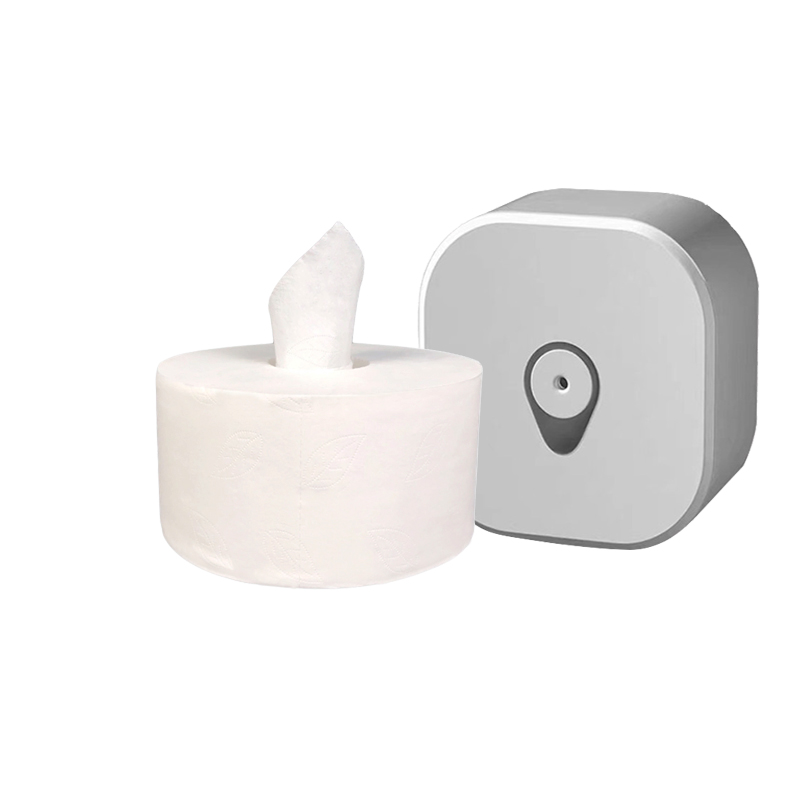
Selecting the right base material forms the foundation of a safe restroom environment. You generally have two premium options suitable for childcare centers.
This material offers exceptional predictability. It produces inherently soft toilet tissue due to its uncompromised fiber structure. The long fibers naturally bind together tightly. This tight bond drastically reduces airborne paper dust. Quality virgin wood pulp toilet tissue remains a top-tier choice for childcare settings. It delivers reliable comfort day after day.
Implementation note: It works ideally for facilities prioritizing ultimate softness. It also guarantees rapid breakdown in aging plumbing systems. You never have to worry about rough textures scratching sensitive areas.
Bamboo grows incredibly fast and requires zero pesticides. It is unbleached and naturally hypoallergenic. Highly sustainable bamboo pulp toilet tissue appeals strongly to modern eco-conscious parents. Bamboo fibers naturally resist microbial growth, adding another layer of hygiene protection.
Implementation note: It possesses a slightly different texture profile. However, it remains highly durable when wet. This extra wet strength makes it highly effective for messy potty-training toddlers. It holds up well under heavy use.
Recycled paper provides huge environmental benefits in corporate office buildings. However, it introduces too many unknown chemical variables for pediatric use. The post-consumer supply chain mixes receipts, printer paper, and cardboard. You simply cannot guarantee purity. Skip recycled materials for infant care. The risk of exposing toddlers to unknown industrial binders outweighs the initial cost savings.
Table 1: Raw Material Comparison for Daycare Use
Material Type | Softness Level | Dust Generation | Risk of Chemical Residue | Best Application |
|---|---|---|---|---|
Virgin Wood Pulp | Very High | Very Low | Minimal (If ECF/TCF) | Infant care, delicate skin |
Bamboo Pulp | Moderate-High | Low | Minimal | Potty training, eco-friendly goals |
Recycled Commercial | Low | High | High (BPAs, Inks) | Adult restrooms only |
Once you select the raw material, you must determine the appropriate thickness. The wrong ply-count easily causes massive plumbing failures in older buildings.
You must consider the reality of toddler bathroom habits. Children notoriously use excessive amounts of paper during potty training. 2-ply toilet tissue dissolves rapidly upon flushing. This swift disintegration greatly reduces the risk of costly plumbing clogs.
Best for: Older daycare facilities operating on legacy commercial plumbing systems.
Why: It strikes a perfect balance. It still provides adequate barrier protection for little hands. Caregivers can confidently allow older toddlers to practice independence without fearing an overflowing toilet.
Caregivers perform dozens of diaper changes daily. They require thicker barriers for sanitary reasons. Premium 3-ply toilet tissue offers maximum cushioning during these direct wiping scenarios. You require fewer squares per use. This improves the overall hygiene experience significantly.
Best for: Infant rooms and direct caregiver-to-child wiping scenarios.
Why: It feels luxurious and prevents breakthrough messes. Be aware, however, you must monitor its usage strictly. Unsupervised toddlers unrolling thick paper will quickly cause unexpected plumbing backups.
Steps for Evaluating Paper Format In-House:
Fill a clear jar with water from your facility.
Place two sheets of your chosen paper into the jar.
Shake vigorously for five seconds.
Observe the breakdown rate. If it remains intact after ten seconds, it may clog old pipes.
Perform this test on both ply options before committing to a bulk pallet.
Chart: Quick Decision Matrix for Ply Selection
Plumbing Age | Primary User | Recommended Ply | Monitoring Required |
|---|---|---|---|
Pre-1990 (Legacy) | Toddlers (Independent) | 2-Ply | Low |
Pre-1990 (Legacy) | Infants (Caregiver Use) | 2-Ply | Moderate |
Post-1990 (Modern) | Toddlers (Independent) | 2-Ply or 3-Ply | High (If 3-Ply) |
Post-1990 (Modern) | Infants (Caregiver Use) | 3-Ply | None |
Sourcing commercial quantities requires a reliable manufacturing partner. You cannot rely on fluctuating consumer retail stocks. You need a dedicated B2B supply chain.
Always buy direct from reputable manufacturers. They must control their own pulping and rolling processes. Tight control minimizes dangerous cross-contamination on the factory floor. Brokers often switch suppliers without notifying you. This creates inconsistent quality. Direct manufacturers provide the transparency required for pediatric safety.
You need a strategic B2B partner capable of understanding facility constraints. ULP PAPER specifically engineers paper products that safely balance commercial bulk requirements. They strictly adhere to essential pediatric safety standards. Their manufacturing process removes the harsh chemicals commonly found in budget office supplies. They bridge the gap between heavy-duty commercial needs and delicate skin care.
Running out of bathroom supplies causes massive daily disruptions. You need partners capable of delivering consistent batch quality every single month. Finding reliable vendors ensures smooth, stress-free inventory management for facility operators everywhere. Consistent roll sizes mean your dispensers always fit properly. Predictable fiber strength means caregivers know exactly what to expect during every diaper change.
Providing a safe restroom environment for young children requires moving away from standard office supplies. Prioritize raw material purity by strictly choosing virgin wood or bamboo pulp. Demand dust-free manufacturing to protect vulnerable respiratory systems. Select the correct ply-count based exactly on your facility infrastructure to avoid maintenance disasters.
Take action today by ordering a small pilot batch from a reputable vendor. Test the new supply in a single classroom first. Observe skin compatibility and monitor your plumbing performance closely over two weeks. Once you confirm these critical factors, you can confidently initiate a facility-wide rollout.
A: Look for products made from long-fiber virgin materials. Long fibers bind tightly, preventing shedding. You should also ask suppliers for their specific manufacturing process details regarding fiber binding. Perform a visual test by unrolling a section in bright sunlight to check for airborne particles.
A: It heavily depends on the age of your plumbing and the flush volume of your toilets. Modern fixtures usually handle it easily. Always test a small batch first. Make sure caregivers closely supervise toddler usage to prevent them from flushing excessive amounts.
A: Virgin wood pulp generally feels slightly softer to the touch due to its inherent cellular structure. However, bamboo remains highly skin-friendly and exceptionally durable when wet. Both options provide excellent hypoallergenic benefits for childcare environments.
A: Yes. B2B buyers can easily contact the manufacturer directly through their official website. Request a trial sample pack and ask for their volume pricing tiers. Testing samples allows your staff to evaluate texture and durability before signing a bulk purchase agreement.