
Views: 0 Author: Site Editor Publish Time: 2026-09-23 Origin: Site


A broken, inefficient, or aesthetically mismatched toilet roll holder degrades the functionality of a bathroom. Fumbling for loose rolls or dealing with hardware pulling away from the wall creates daily frustration. Whether outfitting a residential remodel or a high-traffic facility, choosing the right fixture requires balancing durability, spatial constraints, and maintenance needs. You must look past surface appeal to understand how ambient moisture and daily use impact longevity.
This guide evaluates modern structural approaches—from custom DIY builds to commercial-grade upgrades—helping you finalize a design. We explore the specific environmental and usage requirements necessary for a successful installation. You will learn how to match materials to humidity levels, pick secure mounting methods, and evaluate the structural demands of your space. Implementing these strategies ensures your fixture remains stable, accessible, and visually cohesive for years.
Evaluating your specific bathroom environment is the crucial first step. Bathrooms endure rapid temperature shifts and high moisture levels. You need materials resisting oxidation and warping. Carefully assess your wall substrate before finalizing a toilet roll holder design. Drywall installations demand robust anchoring systems. Tile walls require specialized drilling techniques and diamond-tipped bits. You also need to measure your available square footage. Tight layouts beside vanities leave little room for bulky hardware.
Balancing functionality against aesthetics presents another common challenge. You might love the look of a minimalist single-roll bracket. However, multi-roll storage units prevent inconvenient empty-roll situations. If your household frequently runs out of paper, a multi-roll unit solves the problem. Homeowners often prioritize sleek lines over capacity. In contrast, families or shared spaces benefit heavily from integrated backup storage.
Standardizing your consumables heavily influences structural choices. You must ensure your layout accommodates the exact products you purchase regularly. Many modern households source high-capacity mega-rolls. Older fixtures often lack the necessary wall clearance to hold these thicker rolls smoothly. Ensure your chosen hardware fits bulk formats sourced from your preferred toilet paper supplier. Measuring the radius of your preferred roll prevents frustrating friction against the wall.
Building a custom fixture allows you to tailor dimensions perfectly to your space. However, each DIY toilet paper holder concept carries specific implementation risks. Understanding these nuances separates a successful weekend project from a rapid failure.
This concept utilizes black iron or galvanized steel plumbing fixtures. Builders screw threaded pipes into floor flanges, creating a rugged, utilitarian aesthetic. People often pair these pipes with reclaimed wood shelves. It creates an excellent resting spot for phones or wet wipes.
Implementation Risk: Black iron rusts rapidly in damp bathroom environments. Red oxidation will stain your walls and ruin the aesthetic. Galvanized pipes resist rust better but still degrade over time.
Requirement: You must properly treat the metal. Follow these specific preparation steps:
Cutting directly into drywall creates a flush, built-in wooden box nestled between wall studs. This approach maximizes clearance around toilets in narrow powder rooms. It provides a highly custom, architectural appearance.
Implementation Risk: You risk striking hidden utility lines. Drywall hides electrical wires, plumbing vents, and water supply lines. Cutting blindly causes disastrous damage.
Requirement: Thorough scoping prevents accidents. You need a reliable magnetic or electronic stud finder. Scan the desired area multiple times. Mark the stud boundaries clearly. Use an inspection camera through a small pilot hole to verify the cavity is empty before cutting the full rectangle.
This minimalist aesthetic utilizes a simple wooden dowel suspended by two leather loops. It offers a soft, organic look fitting Scandinavian or bohemian interiors. The hardware requirements remain minimal, making it an accessible project.
Implementation Risk: Natural leather absorbs ambient moisture. The repetitive weight and pulling action causes cheap leather strips to stretch. Over time, the dowel hangs unevenly and looks sloppy.
Requirement: Material selection is paramount. You must use marine-grade, heavily waxed, or Latigo leather. These types resist moisture penetration. Additionally, secure the straps directly into the wall using solid brass anchors to prevent corrosion at the mounting points.
Deciding between permanent mounts and movable stands alters your bathroom layout. Each approach serves different spatial restrictions and user needs. You must weigh permanence against flexibility.
Wall-Mounted vs. Freestanding Holder Comparison Chart
| Feature | Wall-Mounted Systems | Freestanding Storage Towers |
|---|---|---|
| Floor Footprint | Zero floor space utilized | Requires 6 to 8 square inches |
| Installation | Requires drilling and anchors | Zero installation required |
| Mobility | Permanent fixture | Easily repositioned |
| Capacity | Typically single or dual roll | Holds up to 4 or 5 spare rolls |
A mounted bathroom paper holder remains the traditional standard for most homes. It keeps the floor entirely clear, which simplifies mopping and vacuuming. These models fit perfectly into compact floor plans. They also align easily with ADA compliance rules when installed at the correct height and distance from the toilet.
However, they require permanent wall alteration. Drilling into drywall demands strong anchors. Drilling through porcelain tile requires significant skill and expensive bits. Mistakes leave ugly holes. They suit permanent residences, tight floor plans, and commercial washrooms where stability is mandatory.
Freestanding units offer immediate utility. You unbox them, set them down, and fill them up. They often feature an L-shaped arm for the active roll and a vertical spindle for three or four backup rolls. This integrated storage is highly convenient.
Conversely, they present stability issues. Flimsy, poorly weighted bases tip over easily when someone pulls the paper. The base also sits directly on the floor. It becomes vulnerable to pooled water or harsh floor-cleaning chemicals. Rust frequently develops on the bottom ring. They work best for renters, large master bathrooms, and spaces where landlords prohibit wall drilling.
Standard residential fixtures fail predictably under heavy volume. Analyzing your traffic needs helps you recognize when a basic DIY or residential solution becomes inadequate. High-turnover environments expose weak hardware rapidly.
Consider properties like bustling Airbnb rentals, boutique retail shops, or large multi-family households. Ten different people might use the restroom daily. The central spindle mechanism of a standard holder wears out. Spring-loaded rods get lost or broken. Constant restocking frustrates hosts and employees alike. Recognizing these pain points signals the need for a heavier-duty approach.
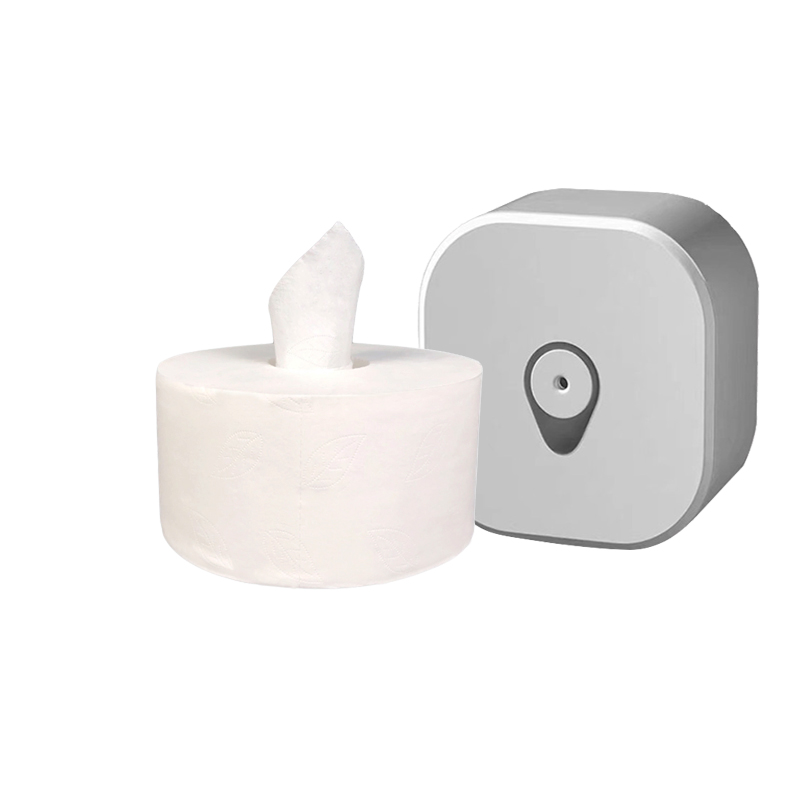
Durability and security become primary concerns. A commercial toilet paper dispenser utilizes high-impact polycarbonate or stainless steel casings. These shells withstand aggressive pulling and accidental bumps. Furthermore, lockable, tamper-proof casings prevent petty theft. High-capacity dual-roll systems automatically drop a fresh roll when the first depletes. This drastically reduces your daily restocking frequency.
Upgrading also improves the return on investment for your consumables. Standard residential holders limit you to individually wrapped grocery store rolls. Commercial dispensers accommodate specialized formats. You can utilize high-footage coreless rolls or massive 9-inch jumbo rolls. These formats eliminate cardboard waste and optimize your bulk purchasing strategy, lowering your overall cost per sheet.
The most beautiful fixture becomes useless if it falls off the wall. Installation failures rank as the most common complaint among homeowners. Understanding mounting mechanics prevents costly drywall repairs.
The primary problem lies with standard ribbed plastic anchors. Most retail products include these cheap plastic plugs in the box. They rely entirely on friction within the drywall dust. Dispensing paper requires a repetitive outward and downward pulling motion. This constant kinetic stress pulverizes the fragile gypsum core behind the paint. The plastic fins lose their grip. Over months, the anchor wiggles loose, creating a ragged hole.
You must mandate superior mechanical fastening. Discard the included plastic plugs. Instead, utilize toggle bolts or molly bolts for any load-bearing bathroom fixture. A toggle bolt features metal wings. These wings spring open behind the drywall panel. They clamp down flat against the interior surface, distributing the pulling force across a wide area. Alternatively, direct-to-stud mounting provides ultimate security. Driving a three-inch wood screw directly into wall framing guarantees the fixture will never loosen.
Tile surfaces introduce another layer of complexity. Attempting to drill porcelain with a standard masonry bit will shatter the tile. You must purchase a diamond-tipped hole saw bit. Apply masking tape over the drilling spot before starting. The tape gives the bit texture to grip, preventing the drill from skating across the slick glaze and scratching your wall. Keep the drill bit wet to manage heat buildup and preserve the diamond coating.
Evaluating your specific environment ensures you select a fixture built to last. The most successful toilet roll holder ideas prioritize the harsh realities of the bathroom over pure aesthetics. Moisture, usage volume, and wall substrate dictate the boundaries of your design. You must choose rust-resistant materials and employ rigorous mechanical mounting techniques to avoid failure.
Take actionable steps before purchasing new hardware. First, verify your exact wall material to procure the correct toggle bolts or diamond drill bits. Second, measure the clearance between your toilet and the side wall or vanity. Ensure you have the necessary 4-inch depth to accommodate modern mega-rolls. Finally, evaluate your household traffic to decide if a multi-roll storage tower or a heavy-duty commercial unit serves your daily routines better. Making these informed choices guarantees a functional, lasting upgrade.
A: Standard industry practice and ADA guidelines place the center of the dispenser 26 inches from the floor. You should mount it 8 to 12 inches in front of the front edge of the toilet bowl. This positioning ensures comfortable reach without straining the torso.
A: Opt for freestanding storage towers or over-the-tank metal hangers. These require zero drilling. Avoid using unreliable double-sided adhesive strips. Bathroom humidity degrades the adhesive, and removing them later often tears the delicate outer paper layer of the drywall.
A: Not always. Many older residential brackets sit too close to the wall. When building or buying a new fixture, ensure a minimum clearance of 3.5 to 4 inches from the wall to the center of the mounting spindle. This accommodates modern high-capacity formats effortlessly.