
Views: 0 Author: Site Editor Publish Time: 2026-09-02 Origin: Site


Choosing the right bathroom roll seems simple. You usually grab a familiar pack and go. Yet, the stakes run surprisingly high. You constantly balance personal comfort against household budgets and plumbing safety. Plumbers regularly clear expensive clogs caused by supposedly flushable, ultra-plush brands. Most marketing heavily overstates luxurious thickness. These brands rarely advertise slow disintegration times. This creates hidden household problems. You face frequent pipe blockages and increased usage per bathroom trip. We want to change how you shop for everyday essentials. This comprehensive guide provides a practical, evidence-backed framework. You will learn to evaluate objective performance metrics. We help you look past clever packaging and brand recognition. By focusing on objective criteria, you can make smarter purchasing decisions. You will discover exactly what metrics matter most for your daily routine. Let us find the perfect roll for your specific household needs.
Best for overall performance: The optimal balance of a soft toilet tissue feel and rapid breakdown prevents plumbing strain.
Best for infrastructure safety: Fast-dissolving 2-ply options outperform ultra-plush variants in older homes and septic systems.
Best for sustainability: Bamboo pulp and recycled alternatives have closed the gap in comfort but require careful selection to avoid rough textures.
Cost-efficiency rule: Price-per-100-sheets is the only accurate metric for budget evaluation, not price-per-roll.
Evaluating toilet tissue quality requires rigorous methodology. We ignore flashy marketing claims. Instead, we frame our problem around efficiency and safety. A high-performing tissue minimizes usage per wipe. It must also protect your plumbing infrastructure. We established success criteria based on industry-standard testing protocols. Our lab replicates real-world bathroom conditions. We measure five critical performance categories to ensure accurate results.
Puncture resistance (Dry vs. Wet): We use controlled weights on clamped sheets. This tests the structural integrity of strong toilet paper when damp. Weak paper tears too easily during use. Our wet tensile strength test reveals how much force a saturated sheet withstands. We drop steel ball bearings onto wet sheets until they rupture. High performers hold significant weight without failing.
Absorbency capacity: We measure exact liquid volumes held per square inch. This helps us identify truly absorbent toilet tissue. Good absorption reduces overall sheet usage. We submerge pre-weighed sheets into water for thirty seconds. We then weigh them again. The weight difference calculates the maximum absorption capacity. Highly absorbent materials save money over time.
Disintegration speed: We run timed agitation tests. These simulate toilet flushes and septic environments. We track exactly how quickly the paper breaks down. Rapid dissolving prevents costly clogs. We use mechanical stirrers running at precise speeds. We record the exact second a sheet loses its structural form.
Linting and residue: We evaluate dust left behind. Standard friction tests reveal residue on surfaces and skin. High-quality options leave minimal lint. We rub dark acrylic panels across the paper surface. We then scan the panels digitally. Software counts the white lint particles left behind. Less lint indicates better fiber bonding.
Best Practices for Interpreting Lab Scores: Always prioritize disintegration speed if you live in an older home. Look for high puncture resistance if you prefer using fewer sheets. Do not assume thickness equals absorbency. Density plays a bigger role.
We categorized our lab results to help you shop smarter. Different households have distinct priority lists. A large family prioritizes budget. A luxury hotel prioritizes plushness. We segmented our winners into three core categories based on everyday utility.
Top Bathroom Tissue Categories and Ideal Use Cases
Category | Why it Won | Best For |
|---|---|---|
The Premium Standard (Best Overall) | High scores in wet strength and softness without compromising disintegration time. | General household use, guest bathrooms. |
The Plumbing-Safe Choice | Achieved 100% breakdown in under 60 seconds in our agitation tanks. | Older plumbing infrastructure, RVs, low-flow toilets. |
The High-Traffic Solution (Best Value) | Lowest cost-per-sheet with baseline structural integrity intact. | Large families, small business restrooms. |
The Premium Standard (Best Overall): This category winner achieved high scores in wet strength. It delivers exceptional softness. Crucially, it keeps disintegration time low. Manufacturers achieve this through advanced air-drying techniques. The air pockets create a pillowy texture. The fibers remain loose enough to dissolve quickly in water. We recommend this for general household use. It serves perfectly in guest bathrooms. It impresses visitors without threatening your plumbing.
The Plumbing-Safe Choice (Best for Septic/RV): This option protects vulnerable systems. It achieved rapid breakdown in our agitation tanks. The manufacturer avoids heavy lotions. They skip complex embossing patterns. This allows water to penetrate the fibers instantly. We strongly recommend this for older plumbing infrastructure. It remains the safest choice for low-flow toilets. RV owners rely heavily on this specific formula to protect macerator pumps.
The High-Traffic Solution (Best Value): This product offers the lowest cost-per-sheet. It still keeps baseline structural integrity intact. We noticed slightly lower absorbency scores. However, the sheer volume offsets this minor flaw. We suggest this for large families. It works exceptionally well in small business restrooms. You get reliable performance without breaking your monthly budget.
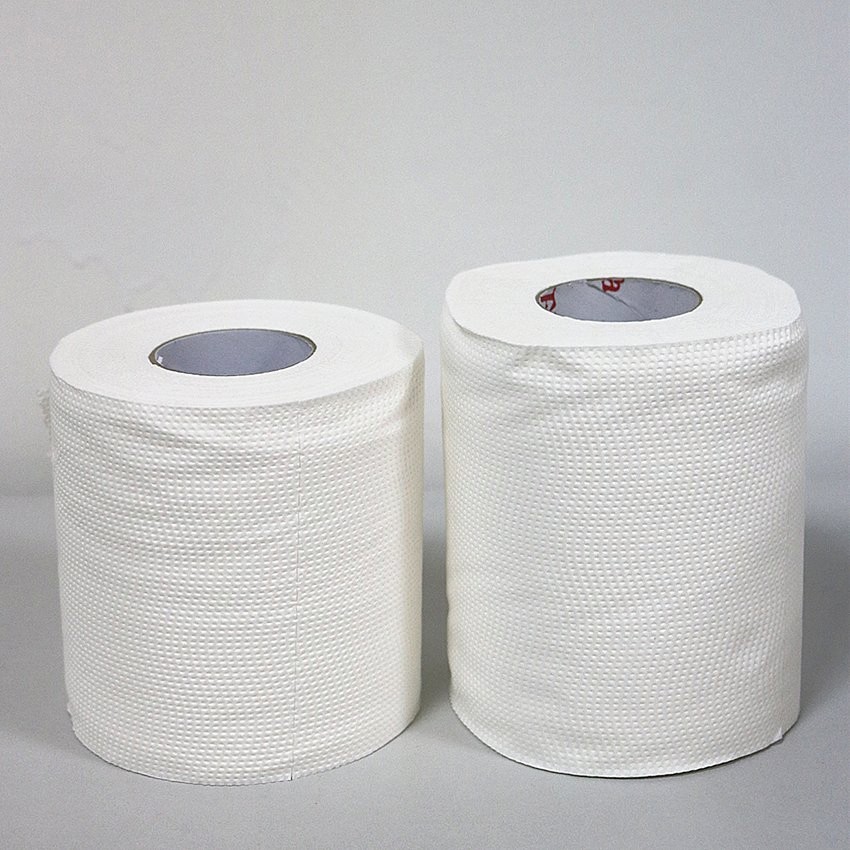
Consumers often obsess over ply counts. More layers do not always guarantee superior performance. You must look deeper into material design. Manufacturers bond multiple thin sheets together to create a ply count. The method of bonding matters immensely. Let us break down the exact differences between popular options on the market.
Using 2-ply toilet paper remains the standard choice globally. Manufacturers glue or emboss two thin layers together during production.
Pros: It generally dissolves much faster than thicker options. It remains highly cost-effective for daily use. It offers greater safety for sensitive plumbing setups. Plumbers frequently recommend it for older residential pipes.
Cons: You might need more sheets per bathroom trip. This happens frequently if the paper lacks fiber density. Thin products sometimes separate during use. This creates a frustrating user experience.
Upgrading to 3-ply toilet paper introduces luxury to the bathroom. Manufacturers add a third middle layer. This middle layer often features high-bulk fibers to maximize comfort.
Pros: It delivers maximum comfort for sensitive users. You experience high absorbency capacity. You generally require far fewer sheets per use. The structural integrity rarely fails under pressure.
Cons: It carries a significantly higher clog risk. It takes much longer to break down in septic tanks. It hits a higher retail price point. The sheer volume on a roll often requires oversized dispensers.
The Evaluation Lens: Sheet thickness matters much more than simply counting plies. Texture embossing improves overall strength. Deep embossing patterns lock the layers together securely. They prevent annoying separation. Air pockets between these layers enhance perceived comfort. Focus entirely on fiber density rather than just ply numbers. A high-density two-ply sheet easily outperforms a low-density three-ply sheet.
Eco-friendly options now dominate grocery store shelves. Manufacturers use alternative materials to reduce environmental impact. Consumers want sustainable choices without sacrificing comfort. We examined the two leading eco-friendly alternatives to understand their true value.
The production reality of bamboo pulp toilet paper fascinates sustainability experts. Bamboo acts as a fast-growing, low-water crop. Farmers harvest it every three to five years. Trees require twenty to fifty years to mature. This rapid growth cycle makes bamboo highly renewable. The plant regenerates from its own roots after harvesting.
The performance outcome surprises many first-time users. Bamboo yields naturally longer fibers. These fibers create incredibly strong sheets. They resist tearing better than standard short-fiber hardwood pulps. The longer fibers also produce a remarkably smooth finish. You get a durable, premium product while supporting sustainable agriculture.
The production reality of recycled pulp toilet paper focuses heavily on post-consumer waste reduction. Facilities collect office paper and cardboard. They pulp it, de-ink it, and sanitize it thoroughly. The final quality relies heavily on processing methods. Manufacturers use either bleached or unbleached processes. Totally chlorine-free bleaching provides the safest environmental outcome.
The performance outcome has shifted dramatically in recent years. Historically, recycled sheets felt scratchy and rough. Today, modern micro-embossing techniques have transformed the industry. These machines soften the rigid recycled fibers. They significantly improve the soft toilet tissue feel. You no longer have to compromise personal comfort for ecology.
Greenwashing Risks in the Aisle: You must watch out for deceptive marketing labels. Many brands use green leaves on packaging without changing their sourcing. Always check for genuine Forest Stewardship Council certifications. Verify any bold "tree-free" claims. Read the fine print to confirm the actual pulp ratio. Some heavily marketed eco-brands only contain twenty percent alternative fibers.
Changing your primary bathroom roll brings unexpected challenges. You must consider several practical factors before switching brands. A simple purchase can trigger cascading household issues if you ignore the physical realities of your home.
The hidden cost of "ultra-plush" brands often arrives as a massive plumbing bill. High-density papers demand high-pressure flushes. Older cast-iron pipes feature rough interior walls. Thick paper snags easily on these rough surfaces. The snags accumulate over weeks. Eventually, they block the entire main line. Septic systems face similar threats. The bacteria cannot consume thick, lotioned paper fast enough. Low-flow toilets exacerbate this issue by providing insufficient water volume per flush.
Consider your family's dermatological needs carefully. Manufacturers frequently add proprietary lotions for softness. They add artificial fragrances for scent. They use heavy dyes for decorative patterns. These additives frequently irritate sensitive skin. They trigger contact dermatitis in susceptible users. Heavily bleached papers pose similar chemical risks. Always check the ingredient list if anyone suffers from allergies. Unbleached, additive-free options provide the safest route for sensitive households.
Manufacturers love selling oversized "mega rolls". They push these larger sizes to increase profit margins. However, these massive products frequently fail to fit standard bathroom hardware. The roll rubs against the wall. It refuses to spin freely. You end up tearing tiny pieces off in frustration. You might need to buy spindle extenders to accommodate them. Measure your current dispenser clearance before buying bulk packs.
Never buy a forty-pack of an untested brand. Start your adoption process with a small, single pack. Test the pipe compatibility by flushing a few wadded sheets. Observe any skin reactions over a week. Ensure the roll fits your dispenser perfectly. Do all of this before committing to expensive, bulk subscription orders online.
We conclude our comprehensive lab review with clear directives. High bathroom tissue quality requires a deliberate trade-off. You must balance user comfort against infrastructural realities. No single product perfectly satisfies every extreme demand. You have to prioritize your specific daily needs.
Take these action-oriented next steps today:
Audit your current plumbing age. Older systems strictly require faster-dissolving materials.
Determine your primary household priority. Decide exactly between maximum comfort, eco-impact, or sheer volume cost.
Purchase a small trial pack of your chosen category winner.
Perform a home disintegration test to guarantee it matches your infrastructure limits.
A: Not necessarily. Clogs correlate closely with fiber density and lotion additives. Heavily lotioned, dense papers resist rapid breakdown in water. However, modern manufacturing techniques produce a soft feel without extreme density. Micro-embossing traps air to create plushness while keeping fibers loose. Always check the disintegration rate. Faster dissolving times prevent clogs, regardless of how plush the sheet feels against your skin.
A: You can perform a simple "jar test" at home. Place three sheets into a clear jar filled with water. Secure the lid tightly. Shake the jar vigorously for ten seconds. If the paper breaks into tiny, unrecognizable pieces immediately, it is septic-safe. If it remains mostly intact or clumps together, it poses a severe risk to your bacterial tank system.
A: Historically, alternative fibers felt much rougher. Today, modern manufacturing improvements have solved this fundamental issue. Bamboo yields naturally long fibers. When processed correctly, these long fibers create a surprisingly smooth texture. Many premium bamboo brands now easily rival traditional tree-based products. They provide excellent overall comfort, strength, and superior environmental benefits without the scratchy feel of older eco-brands.
A: Never compare the simple price-per-roll. Roll sizes vary wildly across different brands and product lines. The most accurate metric is price-per-100-sheets or price-per-square-foot. This mathematical approach removes deceptive marketing tricks. It reveals the true cost of the raw material. Always check the packaging for total sheet counts and square footage before calculating your final budget value.