
Views: 0 Author: Site Editor Publish Time: 2026-09-20 Origin: Site


Balancing limited bathroom real estate with a high-volume paper inventory presents a familiar household dilemma. We often want to stock up to save money. Yet, we constantly face the stark reality of cramped cabinetry and minimal floor space. Leaving rolls stacked on the tank looks cluttered. Worse, it exposes your sanitary supplies to airborne moisture and bacteria.
You need practical strategies moving beyond simple aesthetic Pinterest concepts. True solutions must remain hygienic, scalable, and capable of protecting paper integrity. This guide evaluates everything from structural built-in hardware to renter-friendly freestanding organizers. We will also dive into smart overflow strategies for massive bulk purchases.
By the end of this article, you will know exactly how to optimize every inch of your space. You will learn to properly categorize primary and secondary storage zones. Let us explore how you can streamline your daily routine while keeping your essential supplies pristine and accessible.
Before buying new bins or tearing into drywall, you must evaluate your unique space constraints. A storage solution is only effective if it matches your household habits.
Start by calculating your available square footage. Compare this footprint against your average household consumption rate. A standard family of four typically consumes two to three rolls per week per bathroom. Storing a massive package in a tiny half-bath simply wastes valuable floor space. You should reserve immediate bathroom real estate for active use.
Bathrooms are inherently hostile environments for paper products. Showers generate intense humidity. Splashing water easily damages unprotected rolls near the tub. Furthermore, floor cleaning zones pose risks to items sitting directly on tiles. Mopping can wick moisture up into floor-level baskets. You must elevate your supplies or enclose them in waterproof containers.
Convenience is non-negotiable. Establish the “arm’s reach” rule for your primary active roll. Users should easily grab a replacement without standing up. This requires keeping one or two backup rolls within an 18 to 24-inch radius of the toilet. You can then relegate the remainder of your backup supply to secondary storage locations.
Open-air storage looks beautiful in magazines. However, real-world bathrooms require stricter hygiene protocols. Flushing creates an invisible aerosolized spray known as a toilet plume. Leaving extra rolls exposed on a tank top invites airborne bacteria. Closed-cabinet systems offer superior protection. They shield your supplies from both biological contaminants and standard dust accumulation.
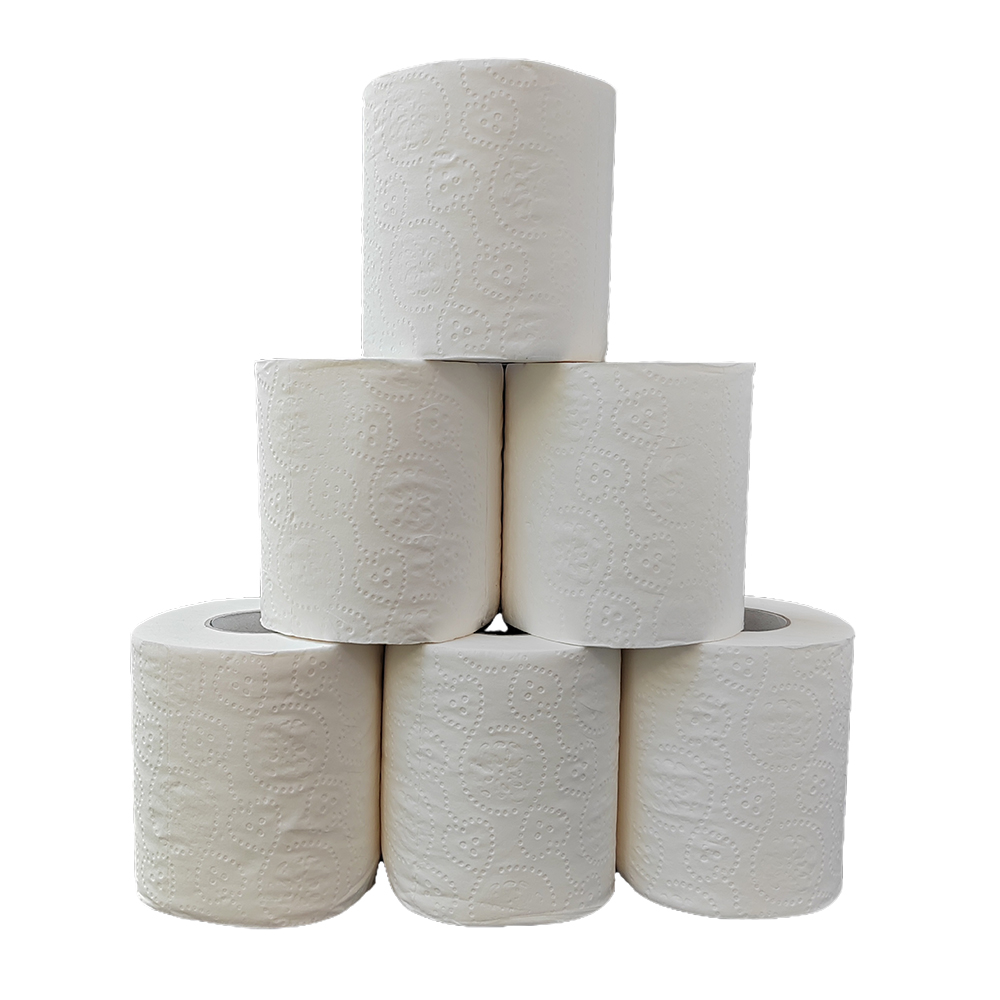
Homeowners planning a renovation should strongly consider built-in solutions. These integrated designs maximize spatial efficiency. They keep sightlines clean while offering robust toilet paper roll storage.
Recessed niches take advantage of the empty voids hiding behind your drywall. Standard residential framing leaves about 14.5 inches of usable space between wall studs.
Maximizing existing cabinetry often proves highly cost-effective. The space beneath your sink usually houses awkward plumbing pipes. Strategic organizers can bypass these obstacles.
The vertical wall space directly above the tank frequently goes unused. Capitalizing on this zone provides significant volume.
Renters need flexible options. If you cannot drill holes or alter cabinetry, you must rely on modular pieces. The right freestanding units offer immediate relief for cramped spaces.
A tall metal or wood tower provides an all-in-one station. These units typically feature a top dispensing arm and a lower reserve column.
Many bathrooms have tiny gaps between the vanity and the toilet. These spaces often measure a mere six to eight inches wide.
Baskets remain incredibly popular for their rustic, organic textures. They soften the harsh lines of porcelain fixtures.
Table: Storage Material Suitability Comparison
| Material Type | Moisture Resistance | Maintenance Level | Best Application Context |
|---|---|---|---|
| Powder-Coated Steel | High | Low | Freestanding stands next to tubs |
| Treated Bamboo | Medium-High | Low | Floating shelves, over-toilet racks |
| Raw Wicker / Rattan | Low (Absorbs moisture) | High (Traps dust) | Guest bathrooms with low shower usage |
| Acrylic / Plastic | Very High | Low | Under-sink bins, enclosed storage |
Purchasing habits dictate your spatial needs. Buying in bulk makes tremendous economic sense, but it creates logistical headaches.
Buying direct can save significant money over retail pricing. Securing inventory from a reputable household toilet paper supplier or straight from a toilet tissue manufacturer yields massive physical volume. You cannot possibly fit 48 rolls inside a standard vanity. You must rethink your household footprint to accommodate this influx without creating clutter.
The secret to bulk management lies in dividing your inventory. Do not force everything into a single room. Implement a strict zoning strategy.
Secondary zones like basements or garages present unique dangers. These spaces fluctuate in temperature and humidity. Prolonged exposure causes paper to degrade, warp, or invite pests like silverfish.
If utilizing unfinished spaces for bulk overflow, you must upgrade your preservation methods. Move the paper out of thin commercial plastic wrap. Place the rolls inside heavy-duty, latching plastic storage bins. For extreme basement environments, consider vacuum-sealed bags. Removing the air prevents mold spores from taking root. It completely halts pest damage. It ensures the structural integrity of the paper remains perfectly preserved for months.
Selecting a strategy requires balancing restrictions against long-term goals. Use this framework to narrow down your optimal setup.
Your leasing agreement dictates your options. Renters should automatically limit their shortlists to freestanding units, rolling carts, or over-the-door hangers. Cutting into drywall or drilling heavy anchors usually violates lease terms. Homeowners enjoy full freedom. You can prioritize recessed niches or custom cabinetry to permanently boost your property's functionality.
Bathrooms rapidly destroy cheap materials. You must prioritize longevity over initial aesthetics. Choose powder-coated steel, treated bamboo, or clear acrylic for full baths featuring active showers. Avoid untreated wood or raw wicker in high-humidity zones. They will warp, mold, or unravel within a year.
Analyze your financial investment. Weigh the upfront cost of premium storage hardware against your purchasing habits. Spending extra money on airtight storage bins makes perfect sense if it allows you to buy massive bulk shipments safely. The long-term savings of buying bulk paper quickly offsets the one-time cost of durable organizers.
Take immediate action by measuring your specific clearances. Check your cabinet widths and depths. Measure the exact gap beside your toilet. Next, assess your bathroom's ventilation fan capacity to understand your moisture risk. Finally, officially select your primary active storage method and designate your secondary bulk location.
The most effective storage strategy perfectly balances immediate accessibility with hygienic, long-term preservation. Do not compromise on moisture protection merely for the sake of interior design aesthetics. Let your bulk purchasing habits dictate your true capacity requirements. Secure the right organizers today, and you will enjoy a streamlined, clutter-free bathroom for years to come.
A: Focus strictly on enclosed storage. Utilize vanity cabinets with closed doors or invest in lidded acrylic containers. Keep rolls elevated off the floor. Most importantly, move your bulk supplies out of the bathroom entirely. Utilize secondary storage in dry linen closets or bedrooms.
A: Highlight vertical solutions. Utilize recessed wall niches to borrow space from inside the walls. Hang over-the-door wire baskets on vanity doors. If floor space allows, slip an ultra-narrow slide-out cart into the tight gap between the toilet and the sink.
A: Address your storage conditions first. If kept in dry, dark, and pest-free environments, paper sourced directly from a manufacturer can remain intact indefinitely. Use airtight plastic bins or vacuum-sealed bags in basements to completely block mold and humidity damage over long periods.