
Views: 0 Author: Site Editor Publish Time: 2026-09-16 Origin: Site


Consumer hygiene preferences are undergoing a massive shift worldwide. People increasingly view dry toilet paper as insufficient for a thorough, comfortable clean. This realization rapidly drives everyday demand for moist bathroom tissues. Picking the wrong product introduces serious, compounding risks into your home. A poorly formulated wipe can cause severe dermatological irritation. This irritation often triggers painful micro-tears and contact dermatitis over time. Beyond your skin, using non-dispersible materials routinely leads to catastrophic plumbing failures. These materials also cause extensive municipal infrastructure damage. This article provides a rigorous, medically and mechanically sound evaluation framework to navigate these choices. We will walk you through the essential ingredients, material standards, and plumbing realities you must understand. Our goal is to help buyers select safe, effective, and compliant personal care products protecting both their health and their homes.
Most traditional bathroom routines rely entirely on dry friction. People wipe repeatedly until they feel clean. This mechanical action creates a significant problem for sensitive perianal tissue. Repeated rubbing causes microscopic abrasions. These micro-tears leave the skin highly vulnerable to bacterial infections and chronic inflammation. Thin, low-quality dry paper exacerbates this mechanical stress. It often leaves behind residue, failing to achieve true cleanliness.
Medical consensus strongly advises against aggressive dry wiping. Gastroenterologists and dermatologists frequently favor moisture for safe, non-abrasive cleansing. Introducing moisture allows you to lift away residue gently. It eliminates the need for harsh scraping. This practice actively mitigates the risks of severe hemorrhoid irritation and anal fissures. Doctors often recommend cleansing routines prioritizing gentle hydration over mechanical force to preserve skin integrity.
Given these medical realities, personal hygiene wipes represent a logical, necessary upgrade. They bridge the gap between inadequate dry paper and the need for thorough cleansing. However, you cannot just grab any random package off the shelf. These products must meet strict safety and dispersibility criteria. Using poorly designed moisture products simply trades a mechanical problem for a chemical or plumbing disaster.
Understanding the different formulations available ensures you choose the right tool for your specific needs. The market offers three primary categories. Each serves a distinct purpose regarding daily hygiene and skin health.
Comparison of Personal Hygiene Wipe Categories
| Category | Key Profile & Composition | Best Used For |
|---|---|---|
| Water-Based Options | Typically 98-99% purified water containing minimal gentle preservatives. | Daily use, universal adoption, preserving the skin microbiome. |
| Sensitive Skin Options | Enhanced using soothing agents like aloe, calendula, or chamomile. | Users managing chronic skin conditions or acute sensitivities. |
| Medicated Options | Contains active medical ingredients like witch hazel or hydrocortisone. | Targeted, short-term symptom relief. |
water-based wet wipes serve as the ultimate daily standard. Manufacturers design them using 98-99% purified water. They include only minimal, food-grade preservatives to prevent bacterial growth. This simple profile makes them perfect for universal, everyday adoption. They cause minimal disruption to your skin's natural microbiome. You can use them repeatedly without worrying about stripping natural oils.
Conversely, sensitive skin wipes cater to users requiring extra care. These formulas are strictly hypoallergenic. They feature soothing botanical agents like aloe vera, calendula, and chamomile. They provide excellent relief for users suffering from chronic skin conditions or acute discomfort. If you experience frequent irritation, these botanical additions help calm the skin immediately during the cleansing process.
Medicated or treatment wipes belong in a separate category entirely. They contain active pharmaceutical ingredients. Common additions include witch hazel to shrink swollen tissue or hydrocortisone to stop severe itching. You should only use medicated options for targeted, short-term symptom relief. They do not replace general daily hygiene products. Overusing medicated formulas often leads to severe skin drying and rebound irritation.
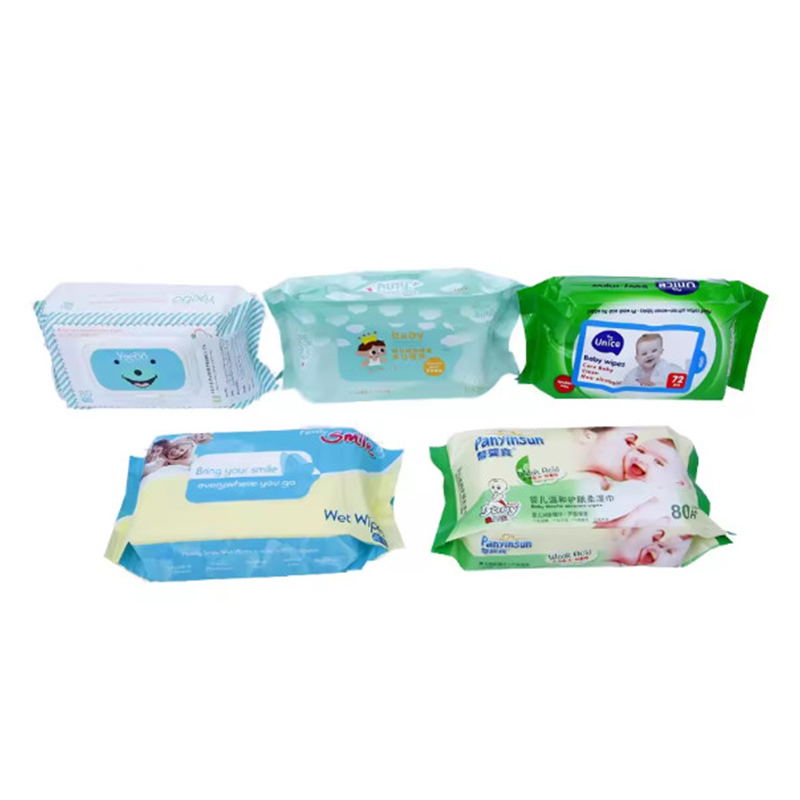
Navigating the crowded personal care aisle requires a structured approach. You must look beyond marketing labels to evaluate the actual science behind the product. Finding the best wipes involves analyzing three critical pillars: material composition, ingredient safety, and packaging mechanics.
The plumbing reality check often surprises well-intentioned consumers. A massive gap exists between bold marketing claims and actual municipal wastewater capabilities. Many products labeled "flushable" simply mean they will clear your personal toilet bowl. They do not disintegrate rapidly in the pipes. When synthetic fibers mix with cooking oils and household grease, they form massive obstructions. Municipalities worldwide spend millions battling these giant "fatbergs" choking their sewer systems.
To evaluate true flushability, look for compliance with standardized industry testing. The INDA (Association of the Nonwoven Fabrics Industry) and EDANA guidelines provide strict protocols. Products meeting these standards undergo rigorous slosh-box testing. They must demonstrate rapid dispersibility, losing structural integrity almost immediately upon flushing. Without these specific certifications, flushing remains a massive gamble for your household plumbing.
Given these infrastructural challenges, exploring flushable wipes alternatives is absolutely critical. Households relying on septic systems or older clay pipes cannot risk flushing any fibrous materials. Excellent alternatives exist to achieve the same hygiene standard safely. Wipe-dispensing bidets offer targeted water streams. Toilet paper moistening foams and sprays transform regular dry paper into a cleansing tool instantly. Finally, dedicated odor-locking disposal systems allow you to use non-flushable, compostable wipes without compromising bathroom aesthetics or plumbing integrity.
The safety of your personal care routine links directly back to factory conditions. Supply chain transparency separates premium brands from dangerous, unregulated alternatives. A credible wet wipes manufacturer willingly provides verifiable data regarding their operations. You should always look for ISO certifications and strict GMP (Good Manufacturing Practice) compliance. These frameworks ensure every batch meets rigid safety and quality thresholds before reaching consumers.
Quality Assurance (QA) testing stands as a non-negotiable requirement. Moisture-heavy products act as perfect breeding grounds for dangerous bacteria and toxic mold. Without precise chemical controls, contaminated products reach the shelves easily. Reputable facilities conduct exhaustive microbiological safety tests on every single production run. They also invest heavily in clinical dermatological testing. This proves their formulas remain safe for human tissue over prolonged usage periods.
Environmental accountability also defines top-tier manufacturing. Responsible factories prioritize sourcing sustainable materials. They utilize FSC-certified wood pulp to protect global forests from over-harvesting. They also optimize their energy usage to maintain eco-friendly manufacturing footprints. By aligning your purchasing habits with responsible facilities, you protect your skin while supporting sustainable industrial practices worldwide.
Optimizing your bathroom routine requires moving beyond dry paper while avoiding hidden chemical and plumbing hazards. You must prioritize water-based, pH-balanced formulas to protect your skin's delicate acid mantle. Always verify dispersibility claims against recognized industry standards to prevent costly home infrastructure damage. Finally, ensure you purchase from transparent, certified facilities valuing microbiological safety and environmental sustainability.
Take action today by auditing your current bathroom products against this strict evaluation framework. Throw away any packages containing harsh alcohols, synthetic fragrances, or non-dispersible plastics. Explore vetted, medically compliant product lines prioritizing plant-based fibers. Alternatively, invest in sustainable disposal systems or moistening foams to safeguard your older plumbing systems completely.
A: You can only flush products strictly adhering to INDA/EDANA rapid dispersibility standards. These specific products break down like traditional toilet tissue. However, if you have a septic tank or heavily aged household pipes, you should never flush any wipes. Instead, utilize safe alternatives like dedicated disposal bins or bidet attachments to prevent devastating plumbing blockages.
A: We strongly advise against this practice. Baby wipes feature different pH balances designed specifically for infant skin. More importantly, manufacturers structurally design baby wipes using strong synthetic fibers meant to contain heavy messes. They do not break down in water. Flushing baby wipes almost guarantees a severe toilet or sewer pipe clog.
A: You should look for formulas primarily utilizing purified water. Excellent soothing additions include aloe vera extract, chamomile, and calendula. Ensure the label explicitly states the product is free from synthetic fragrances, alcohol, parabens, and methylisothiazolinone (MIT). True sensitive formulas maintain a strict pH balance of 4.5 to 5.5.
A: Water-based products rely on very mild, food-grade preservatives to maintain their integrity. Ingredients like sodium benzoate or potassium sorbate stop mold and bacteria effectively. Factories also use ultra-purified water and operate under strict sterile manufacturing conditions. This combination prevents contamination without requiring aggressive, skin-damaging chemical additives.