
Views: 0 Author: Site Editor Publish Time: 2026-09-13 Origin: Site


Every time you pull a fresh wipe from a dispenser, you trust it to be safe, effective, and reliable. However, the quality, safety, and environmental impact of these products depend entirely on their hidden composition. Many buyers misunderstand what actually goes into them. This oversight often leads to costly product recalls, poor customer reviews, or serious regulatory compliance failures. We need to look deeper into the exact components making up these everyday essentials.
Our goal is to break down the complete anatomical structure of wet wipes. We will explore everything from the physical nonwoven substrates to the precise chemical liquid formulations. By understanding these core elements, brands and buyers can better evaluate product safety, navigate sustainability demands, and ensure high manufacturing quality. You will learn exactly how to choose materials aligning perfectly with your performance requirements and consumer expectations.
The physical fabric serves as the backbone of any wipe. Most consumers assume these products use traditional weaving methods. In reality, manufacturers produce them using specialized nonwoven technologies. The most common standard relies on a process called hydroentanglement. High-pressure water jets physically entangle loose fibers together. This method creates a uniform, strong fabric without using chemical binders. When you evaluate wet wipes and wet wipes materials, you must understand how different fiber blends impact the final product.
Manufacturers blend various fibers to achieve specific performance metrics. Each material category presents unique benefits and distinct trade-offs.
You might wonder why certain materials dominate the global market. Spunlace nonwoven fabrics hold the top position for several reasons. They deliver superior tensile strength, meaning they resist tearing during rigorous use. They also feature zero linting. This makes them ideal for medical, optical, and personal care applications. Furthermore, buyers can easily customize the fabric thickness, measured in Grams per Square Meter (GSM). A higher GSM yields a thicker, more luxurious wipe.
Table: Substrate Material Comparison
| Material Type | Primary Benefit | Main Drawback | Best Application |
|---|---|---|---|
| Polyester (PET) | High strength, low cost | Non-biodegradable | Industrial cleaning |
| Viscose / Rayon | Excellent absorbency | Higher cost than PET | Personal care blends |
| Cotton | Ultra-soft, hypoallergenic | Expensive raw material | Premium facial wipes |
| Bamboo | 100% biodegradable | Lower tensile strength | Eco-friendly product lines |
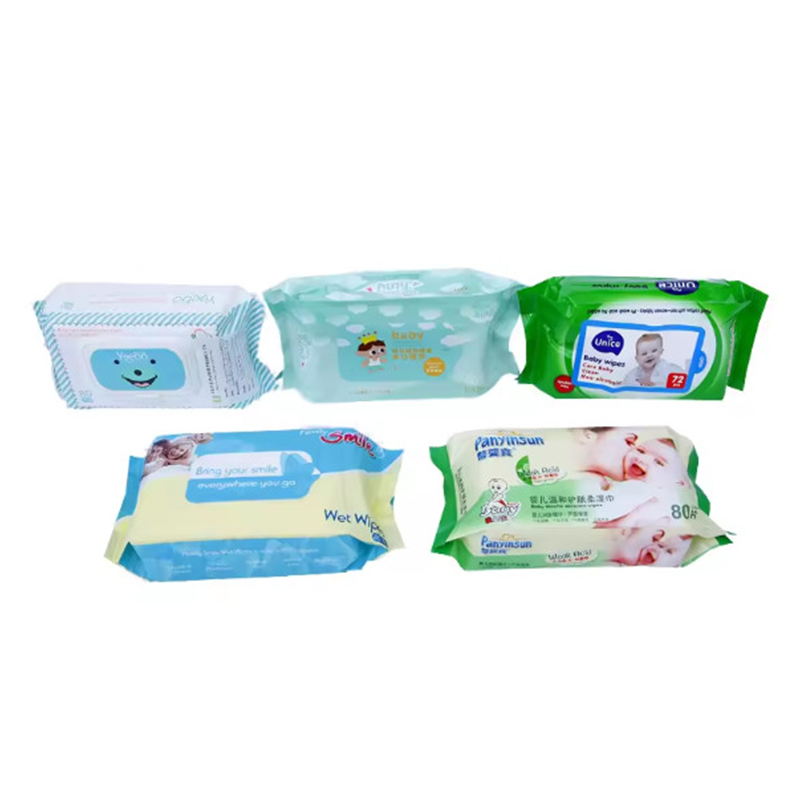
The liquid formulation presents the highest compliance and safety risks in the entire product lifecycle. You cannot simply soak a nonwoven fabric in tap water and seal it in a pouch. Manufacturers must strictly balance the formulations to prevent dangerous bacterial growth. At the same time, the liquid must protect and nourish the end user.
A high-quality liquid formulation relies on precise chemical engineering. Here is a breakdown of the four core ingredient categories:
The chemical profile shifts dramatically depending on the intended user. When formulating baby wet wipes, chemists prioritize hypoallergenic properties. They remove alcohol, minimize fragrances, and use ultra-mild surfactants. Conversely, antibacterial surface wipes require entirely different active ingredients. These formulas often utilize quaternary ammonium compounds to kill viruses and bacteria on hard surfaces. You must align the liquid chemistry directly to the specific use case.
Consumers and regulatory bodies are cracking down on single-use plastics. Deceptive marketing claims have led to massive environmental problems. Municipalities regularly battle massive sewer blockages caused by synthetic materials. Brands must adapt to these shifting expectations transparently.
Understanding environmental terminology separates legitimate eco-products from greenwashing campaigns. You need clear definitions to navigate this shift.
Transitioning to eco-friendly substrates requires careful planning. Moving to 100% biodegradable materials often increases manufacturing costs by 15% to 30%. Many brands incorporate sustainable spunlace nonwoven wipes made from wood pulp or bamboo to meet these goals. However, these natural fibers can sometimes reduce the wipe's overall shelf life because they break down faster in moisture. Brands must weigh pricing elasticity against consumer demand for green products.
Delivering a safe product requires rigorous operational oversight. The conversion process transforms raw materials into ready-to-sell packages. This operation demands extraordinary manufacturing complexity and strict quality control measures.
The manufacturing journey begins with massive master rolls of nonwoven fabric. Sophisticated machinery unwinds these rolls at high speeds. The machines slit the fabric into specific widths and fold them into continuous stacks. Next, precision dosing nozzles apply the exact amount of liquid formulation to the dry substrate. Finally, the equipment cuts the stacks, inserts them into flexible packaging, and hermetically seals them to lock in moisture.
You cannot execute this process in a standard warehouse. The liquid dosing phase exposes the product to severe cross-contamination risks. Manufacturers must operate sterile, pharmaceutical-grade environments. Facilities require dedicated Cleanrooms. They also need ISO 9001 and ISO 22716 (Good Manufacturing Practices for Cosmetics) certifications. These environments filter the air and maintain strict hygiene protocols to protect the open formulations.
Before any batch leaves the facility, it undergoes intensive testing protocols. This validates the final product's safety.
Selecting a production partner determines your brand's market success. You must look beyond standard pricing quotes. Thoroughly vetting a wet wipes OEM manufacturer requires examining their operational capabilities and transparency.
Use these core criteria to assess potential manufacturing partners:
Do not commit to large orders based on digital brochures alone. Request a comprehensive sample pack of their existing products. Review their compliance certifications meticulously. Finally, ask direct questions about their raw material supply chain to ensure they source ingredients ethically and reliably.
The safety, efficacy, and market success of wet wipes come down to a delicate scientific balance. You must achieve the precise pairing of high-quality nonwoven substrates with strictly controlled, rigorously tested liquid formulations. Misaligning these elements creates products failing consumer expectations and regulatory standards.
We encourage you to move beyond superficial marketing claims when evaluating your product lines. Audit your current suppliers to ensure they meet modern cleanroom and environmental standards. If you are launching a new product, contact a certified manufacturing partner immediately. Discuss compliant, high-quality material sourcing to guarantee your next product run is safe, sustainable, and highly effective.
A: No. The term "baby-safe" usually applies only to the hypoallergenic liquid formulation. The fabric substrate itself often remains a synthetic blend of polyester and viscose unless the packaging explicitly labels it as 100% plant-based or biodegradable. Always check the material composition on the back of the package.
A: Preservatives are a strict scientific necessity. A sealed package creates a dark, moist, and warm environment. Without preservatives, stagnant water quickly breeds dangerous microbial and fungal growth. Properly formulated preservatives keep the product sterile and safe for human contact throughout its entire shelf life.
A: The best fabrics for sensitive skin include high-viscose blends, pure cotton spunlace, or bamboo. These naturally derived materials offer exceptional softness, reducing physical friction on the skin. They are inherently hypoallergenic, highly absorbent, and far gentler than standard synthetic polyester fibers.