
Views: 0 Author: Site Editor Publish Time: 2026-09-04 Origin: Site


Replacing a toilet seat seems straightforward at first glance. Most people grab a replacement box and hope for the best. However, a sizing mismatch quickly causes wobbly installations. Incorrect sizes also introduce unexpected hygiene risks. Sometimes, these errors lead to costly mass returns for businesses. You must know exact measurements before confirming any orders. Facility managers and homeowners alike often struggle during this process. Buying incorrect fixtures wastes valuable time and resources. It also creates a highly frustrating experience for users. This guide establishes the baseline industry standards. We cover both residential and commercial toilet fixtures. You will learn how to accurately evaluate your needs. We explain how to measure your existing bare bowls. We will also help you shortlist the right products or suppliers confidently. You will discover the exact dimensions required for commercial settings. By understanding these fundamentals, you can ensure a perfect fit every single time. It protects your investment and improves bathroom sanitation.
Identifying the correct bowl shape comes first. This decision acts as the primary filter for your purchase. Toilets generally fall into two broad categories. You will find standard models in round or elongated shapes. Understanding standard toilet seat dimensions saves you significant trouble. You cannot interchange these shapes successfully.
Let us examine round toilet seats first. These fixtures typically measure 16.5 inches (42 cm) long. You measure this distance from the mounting holes directly to the front rim. Round seats excel in specific environments. They are best for space-saving layouts. Small residential bathrooms benefit greatly from round designs. Older properties often feature these compact bowls exclusively. Historically, builders used round bowls to maximize tight floor plans.
Elongated toilet seats provide a different experience. They measure 18.5 inches (47 cm) long. This measurement also runs from the mounting holes to the front rim. These seats are best for modern residential builds. They also fulfill Americans with Disabilities Act (ADA) restroom requirements. Most users report superior comfort on elongated bowls. The extended shape supports a natural seating position.
Making the round vs elongated toilet seat decision requires evaluating your specific space. Consider these best practices when deciding:
Round models save valuable floor area. Elongated versions serve as the modern standard. High-traffic facilities rely on elongated designs exclusively. They also support upgraded fixtures much better. For example, modern bidet attachments fit elongated bowls perfectly. They require the extra length for internal plumbing.
Toilet Seat Shape Comparison
| Shape Type | Standard Length | Primary Benefit | Best Use Case |
|---|---|---|---|
| Round | 16.5 inches | Space efficiency | Small residential bathrooms |
| Elongated | 18.5 inches | Enhanced comfort | Master baths and commercial |
Implementation reality dictates strict precision here. A fraction of an inch off ruins the installation entirely. It leads directly to unnecessary hinge stress. This stress causes premature breakage over time. You must measure the bare porcelain bowl. Never measure your existing seat. Old seats often sit incorrectly anyway. They might have shifted over the years. Measuring a bad seat guarantees a bad replacement.
Gather a standard measuring tape and a notepad. Follow this foolproof process for guaranteed results.
Always run a verification check before buying. Cross-reference these three numbers against the manufacturer spec sheet. Every reputable brand publishes detailed product schematics online. Comparing your numbers ensures an exact match. One common mistake is ignoring the width. People assume all elongated bowls share the exact same width. While length is standard, width can vary slightly by brand.
Commercial restrooms operate under strict compliance rules. Public health codes heavily influence sizing decisions. Organizations like IAPMO dictate sanitary plumbing standards. Facilities strongly favor open-front elongated seats for hygiene. These models typically measure 18.5 inches long. The U-shaped open front prevents user contact. It stops urine from pooling at the front edge. This design protects the next user from contamination.
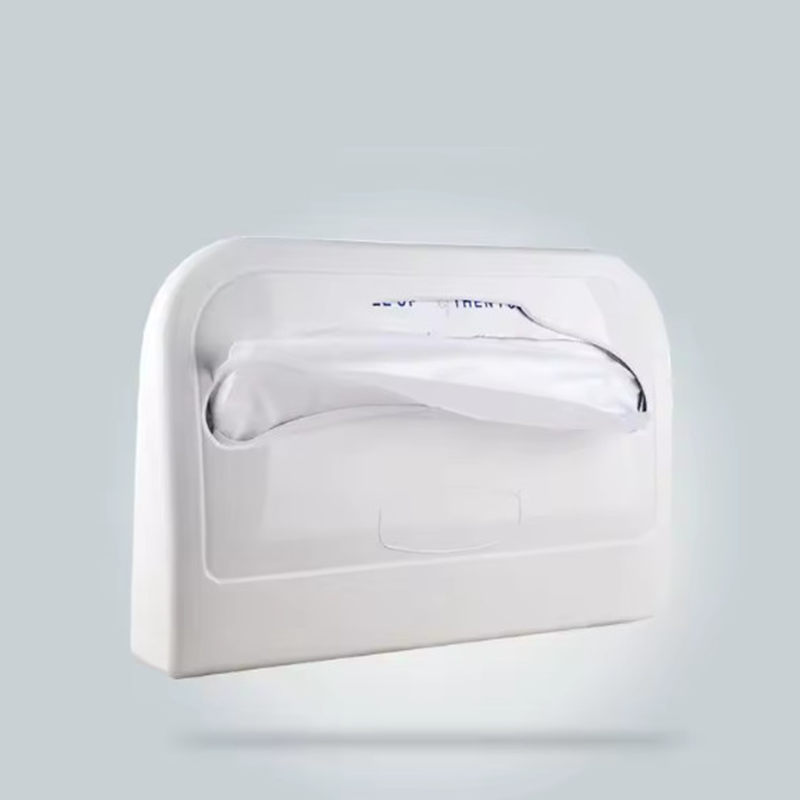
Accommodating standard public restroom seat cover sizes is essential. Standard half-fold paper covers are typically 15 by 17 inches. They effectively drape over commercial elongated seats. Procurement teams face a specific challenge here. They must align seat dimensions carefully. Mismatches cause the paper to tear easily. Sometimes, incorrect sizing leaves the bowl exposed entirely. A torn cover defeats the purpose of providing it.
This alignment requires finding a reliable toilet seat cover supplier. The right supplier ensures product compatibility. It prevents the frustration of poorly fitting covers. Understanding the correct disposable seat cover size protects facility hygiene. It also improves the overall patron experience. People notice well-maintained, sanitary public restrooms immediately.
B2B purchasing logic strongly favors standardization. Facility managers should standardize all toilets to one specific elongated size. This strategy drastically reduces maintenance overhead. It simplifies bulk consumable ordering across multiple buildings. Plumbers can swap replacement parts across stalls effortlessly. Custodians never grab the wrong paper products. Inventory management becomes highly predictable and efficient.
Once you confirm size, you must choose a material. Material dictates durability over the long run. It affects how often you replace fixtures. Understanding these options prevents early replacements. It keeps bathrooms looking pristine for years.
Enameled wood and molded plastic dominate the market. Enameled wood models feel heavier and more substantial. They resist minor surface scratches exceptionally well. Homeowners prefer wood for residential aesthetics. It provides a classic, warm look. However, wood requires careful cleaning. Harsh bleach can strip the enamel paint. Once the paint chips, wood absorbs moisture quickly.
Molded plastic uses durable polypropylene. This material resists harsh chemical stains entirely. It is highly durable against heavy impacts. Commercial facilities mandate plastic seats for sanitation. Porous materials fail public health inspections quickly. Plastic wipes clean instantly. It never absorbs odors or moisture.
Hardware upgrades also matter deeply during evaluation. You should evaluate slow-close dampers carefully. Soft-close mechanisms prevent structural damage. They stop heavy seats from slamming down. This feature protects the porcelain bowl from cracking. It also eliminates startling noises in the middle of the night.
Consider the hinge mounting style as well. Manufacturers offer top-fixing and bottom-fixing hinges. Top-fixing hinges are essential for fully skirted toilets. Skirted bowls conceal the trapway entirely. You cannot access the underside for bottom-fixing bolts. You drop a rubber expansion plug into the top hole instead. Always check your bowl access before ordering a replacement.
Risk mitigation matters when replacing bathroom fixtures. Not all toilets fit the North American standard. Recognizing non-standard fixtures saves you immense frustration. It prevents immediate return cycles. It also stops improper, wobbly installations.
D-Shape and square bowls present unique challenges. These shapes are common in modern European brands. Brands like Duravit utilize them frequently. You will also find them on premium Kohler models. Premium Toto models occasionally feature them too. The back of the bowl features a flat, straight edge. It resembles a capital letter D. These fixtures require exact brand-specific replacements. You cannot use a generic universal seat. A standard common toilet seat size will not work here. It leaves sharp porcelain corners exposed.
Metric and imperial measurements differ significantly. The United Kingdom and European Union use metric standard seats. They often measure sizes in millimeters. A typical European length is 430mm. These seats feature highly adjustable hinges. The hardware accommodates 130mm to 170mm hole centers. If you own an imported fixture, buy European parts. Do not force an imperial seat onto a metric bowl.
Watch out for proprietary smart toilets. High-end fixtures often integrate the bidet and seat directly. You cannot replace just the seat on these units. They require specialized technician support for any modifications.
Sizing a toilet seat requires two primary steps. First, you must identify the shape. Determine if you need a round or elongated model. Next, confirm the three critical measurements exactly. These include the bolt spread, overall length, and maximum width. Skipping these steps leads to poor installations.
Residential users should grab a tape measure immediately. Go check your bolt spread and bowl length right now. Record these numbers before visiting a hardware store. It guarantees you buy the correct model on the first trip.
Commercial buyers must audit their current bowl inventory. Document all fixture sizes across your facilities. Complete this audit before negotiating consumable contracts. It ensures you order properly fitting paper products forever. It also standardizes your maintenance routines.
A: It is physically possible if the 5.5-inch bolt spread matches. However, industry experts highly discourage this practice. It leaves several inches of bare porcelain exposed at the front. This overhang creates sanitary issues and presents a very poor aesthetic. You compromise both comfort and cleanliness by mixing shapes.
A: Bidets do exist for round toilets. However, elongated seats measuring 18.5 inches are the industry standard for electronic bidet seats. The elongated shape offers the necessary surface area for internal plumbing. It provides space for the heating elements, wands, and air dryers without crowding the seating area.
A: In the US, the 5.5-inch spread is standard. However, the actual hinge hardware varies significantly. Manufacturers use top-mount or bottom-mount systems. Top-mount hinges use expansion plugs for skirted toilets. Bottom-mount hinges use traditional nuts and washers. Always verify the mounting type your specific bowl requires before purchasing.