
Views: 0 Author: Site Editor Publish Time: 2026-09-26 Origin: Site


We often assume all tissue products are created equal. However, for high-end hospitality venues, luxury homeowners, and premium commercial spaces, the powder room experience stands as a critical touchpoint. It directly communicates your commitment to guest care and quality. A thoughtfully appointed bathroom can elevate an entire brand.
Historically, people viewed this product merely as a functional necessity. Today, it has evolved into a realm of experiential comfort. Modern formulations prioritize sophisticated design, unparalleled tactile comfort, and stringent material safety standards. Guests and homeowners alike now expect a refined sensory experience rather than basic utility. Consequently, facility managers and designers must look beyond standard consumer grades.
How do you separate marketing gimmicks from genuine quality? We will explore an evidence-based evaluation framework. You will learn how material purity, structural engineering, and manufacturing standards combine to create top-tier products. This guide helps you identify the most luxurious toilet paper tailored to your specific aesthetic and operational needs.
Defining true quality requires establishing baseline metrics. You must look past attractive packaging and focus on the physical properties of the paper itself. Premium products move beyond basic wiping functions. They deliver an experience characterized by zero friction, high absorbency, and absolute structural reliability.
The foundation of any high-end paper product lies in its raw materials. Industry experts widely consider virgin pulp toilet tissue as the definitive gold standard. Virgin pulp consists of freshly harvested, unused wood fibers. These long fibers interlock seamlessly during the manufacturing process. This interlocking creates a remarkably smooth finish.
In contrast, recycled fibers undergo intensive processing. The recycling process inevitably breaks and shortens the paper fibers. Short fibers create microscopic rough edges. These edges manifest as an abrasive texture against the skin. While recycled paper serves an important environmental purpose, it struggles to match the sheer tactile superiority of pure virgin pulp.
Paper construction dictates performance. Many consumers mistakenly believe sheer thickness equals luxury. The reality relies on intelligent engineering. Premium 3-ply toilet paper represents the sweet spot of tissue architecture. Occasionally, brands offer 4-ply options, but the three-layer construction generally provides optimal results.
Multiple micro-layers function much better than a single, dense sheet. The microscopic air gaps between the plies act as tiny sponges. They trap moisture quickly and effectively. This multi-ply engineering prevents the paper from disintegrating in the user's hand while maintaining a plush, pillowy feel.
Tactile sensation dictates user perception. A truly ultra soft toilet paper eliminates friction entirely. It glides effortlessly. Achieving this requires precision manufacturing techniques. Furthermore, true luxury means an absence of lint or dust. Cheaply made soft paper sheds particles, leaving unwanted residue behind. Premium brands utilize specialized calendering processes. They press the paper under heated rollers to smooth the surface and lock loose fibers in place. The quality of the embossing also matters. A deeply quilted pattern enhances softness while preventing the plies from separating.
The market offers distinct sub-categories of high-end tissue. Buyers must align their product choices with specific aesthetic goals or operational demands. What works perfectly for a boutique nightclub might fail in a traditional five-star resort.
European-style luxury rolls often feature vibrant colors like deep black, crimson, or bright yellow. These products act as standalone design elements. A bold black roll instantly elevates a minimalist, modern powder room. However, buyers must exercise caution.
This category focuses purely on performance and classic aesthetics. These rolls utilize heavily processed, brilliant white virgin pulp. They prioritize sheer thickness, impressive absorbency, and a cloud-like texture. Some purists prefer unbleached versions. Unbleached rolls retain a natural beige hue. They skip the chlorine bleaching process, appealing to health-conscious luxury consumers. Traditional plush rolls fit perfectly in luxury hotels, country clubs, and sprawling residential master bathrooms.
Eco-friendly options have historically struggled in the luxury tier. Early iterations felt rough and brittle. Today, high-quality bamboo tissue challenges this norm. Bamboo grows rapidly and requires fewer resources than traditional timber. When properly processed, bamboo fibers can produce surprisingly soft tissue.
You must address the common trade-off here. Bamboo tissue rarely matches the absolute peak softness of elite virgin wood pulp. However, for eco-conscious resorts, selecting sustainable luxury toilet tissue communicates strong environmental values. It provides a highly acceptable level of comfort while fulfilling corporate responsibility mandates.
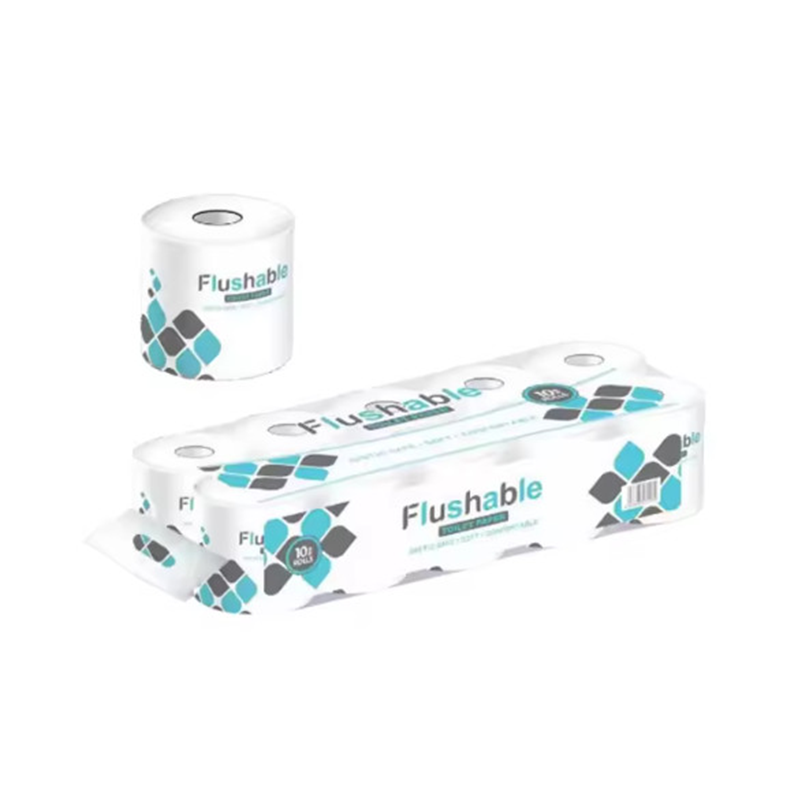
Procuring ultra-premium paper involves navigating complex mechanical realities. You cannot simply buy the thickest, softest option and assume success. Facility managers must understand the delicate balance between user comfort and plumbing physics.
Hyper-soft paper frequently creates a frustrating side effect: linting. When manufacturers prioritize supreme softness, they often leave paper fibers loose. During use, these short fibers break away. They leave a dusty residue on skin, clothing, and dark bathroom floors. Top-tier manufacturing processes solve this issue through micro-embossing. This technique presses a microscopic pattern into the tissue. The pressure bonds the plies together tightly. It secures the fibers without compromising the pillowy texture.
Paper must hold together during active use. We measure this capacity as "wet tensile strength." Standard consumer paper often fails this test, tearing prematurely upon contact with moisture. High-end tissue undergoes rigorous testing to ensure it withstands moderate moisture. However, high wet tensile strength introduces a significant risk. The paper must completely lose its structural integrity within seconds of flushing.
We must address the elephant in the room. Thicker paper poses severe risks to older plumbing networks and septic systems. A luxurious 4-ply roll might feel incredible, but it can easily block narrow pipes. You must evaluate the "dissolve rate" of any luxury option. The tissue should agitate and break down rapidly in water.
Comparison Chart: Plies vs. Dissolvability Risk
| Ply Count | Tactile Softness | Plumbing Risk Level | Ideal Environment |
|---|---|---|---|
| 2-Ply (Premium) | Moderate - High | Low | Older buildings, yachts, sensitive septic systems |
| 3-Ply (Premium) | Very High | Medium | Modern luxury hotels, high-end residential |
| 4-Ply (Ultra) | Exceptional | High | New construction with high-flow commercial plumbing |
For B2B buyers, boutique hoteliers, and estate managers, procurement extends beyond examining a single roll. You must evaluate the entire supply chain. Disruptions in bathroom amenities directly impact guest satisfaction.
Selecting the right partner mitigates operational headaches. When auditing a premium toilet paper manufacturer, you must look for several crucial indicators of professionalism.
Presentation distinguishes standard commercial supplies from luxury amenities. High-end rolls should arrive individually wrapped. Wrappers protect the tissue from ambient moisture and dust before use. Many brands utilize stylized paper wrapping. This detail signals pristine hygiene to incoming guests. Some manufacturers even offer custom-branded wrapping for hospitality clients, seamlessly integrating the product into the hotel's visual identity.
Premium tissue commands a higher upfront price. Savvy facility managers justify this investment through a usage-based ROI framework. Guests use significantly fewer sheets of thick, highly absorbent paper. A standard 1-ply roll vanishes quickly as users pull long strips to compensate for thinness. A premium 3-ply roll lasts much longer. Furthermore, you cannot easily quantify the elevated guest perception. A luxurious bathroom experience subtly encourages repeat bookings and positive reviews, far outweighing the initial procurement premium.
Navigating the premium tissue market requires a structured approach. Use this scenario-based decision matrix to identify your ideal product.
Aesthetic impact takes priority here. High-energy environments benefit from unexpected details. You should prioritize colored or uniquely patterned rolls. Ensure they feature aesthetic individual packaging. Lightly scented cores can also enhance the ambient aroma of the restroom. The goal is to make the bathroom an extension of the venue's immersive design.
Comfort and safety dominate this environment. Your guests expect an uncompromisingly plush experience. Prioritize unbleached or pure white virgin pulp. You want at minimum a 3-ply construction. Rigorous skin-safety and dermatological certifications remain non-negotiable. The product must feel completely frictionless and leave absolutely no lint.
Before committing to a bulk purchase or outfitting an entire estate, follow these actionable steps:
Ultimately, securing the finest powder room amenities requires intentional evaluation. The market offers a wide spectrum of high-end products. However, true luxury is not a one-size-fits-all proposition. It sits squarely at the intersection of advanced material science, specific aesthetic intent, and practical plumbing compatibility.
You must balance the desire for cloud-like softness against the realities of linting and wet tensile strength. By prioritizing virgin pulp and intelligent multi-ply construction, you guarantee an elevated experience. We encourage facility managers and discerning homeowners to order a sample suite from shortlisted manufacturers. Test these products rigorously in your real-world environments before making a final commitment.
A: It depends heavily on the dissolve rate of the specific brand and the age of your plumbing infrastructure. While 3-ply paper is thicker, high-quality versions are engineered to break down rapidly upon agitation in water. However, older homes or sensitive septic systems may struggle. You should always conduct a basic water-dissolve test before widespread use.
A: Virgin pulp uses freshly harvested wood fibers. These long fibers create a significantly smoother, stronger, and softer texture. Recycled tissue utilizes repurposed paper. The recycling process shortens and breaks these fibers, resulting in a rougher texture and higher lint production. Virgin pulp relies on pure raw materials, whereas recycled variants often require heavier processing.
A: They can be safe, provided they meet strict manufacturing standards. You must look for products featuring independent dermatological testing and gynecologist-approved certifications. Premium brands scent the inner cardboard core rather than the paper itself. They also use stable, colorfast dyes that will not bleed or transfer onto sensitive skin.