


Parents today increasingly reject traditional, chemical-heavy baby care products. They actively shift toward minimalist, ultra-pure alternatives to protect delicate newborn skin. Consumers now scrutinize ingredient labels more closely than ever before. You will quickly notice more brands marketing their items as predominantly water-based. These simple formulas aim to dramatically reduce daily irritation, persistent redness, and unexpected allergic reactions. They strip away unnecessary fragrances and harsh preservatives completely.
This article provides an objective, evidence-based breakdown of how these specialized items actually work. We will carefully evaluate their safety profiles and analyze their true cost-to-value ratios. You will also learn exactly what to prioritize when buying them for personal use or sourcing inventory for a commercial enterprise. Understanding these underlying mechanics ensures you make the safest choice for sensitive skin applications.
Many standard baby wipes contain highly complex ingredient lists. You will often find drying alcohols, artificial fragrances, and aggressive chemical preservatives in legacy brands. These common synthetic additions can severely disrupt the fragile skin barrier of newborns. Infant skin is significantly thinner than adult skin. It absorbs topical substances rapidly. This rapid absorption makes chemical exposure a serious, daily concern for proactive parents.
To solve this problem, modern manufacturers created a radically simplified product. But what exactly constitutes 99.9% water wipes? The name itself gives away the primary ingredient. They rely almost entirely on highly purified water. This purified liquid undergoes rigorous industrial filtration, usually through advanced reverse osmosis technology. This intensive process removes heavy metals, trace minerals, and potential microscopic pathogens.
However, water alone cannot prevent bacterial growth inside a warm, sealed plastic package. Manufacturers must add a fractional remaining ingredient to ensure basic shelf stability. This remaining 0.1% usually consists of a natural plant extract. Grapefruit seed extract and soapberry represent the most popular choices. Grapefruit seed extract acts as a natural antimicrobial agent. It gently prevents mold development while naturally conditioning the skin. Soapberry provides a very mild, naturally occurring saponin. Saponins help lift dirt away naturally, entirely avoiding harsh foaming agents.
Beyond the liquid formula, the physical material matters immensely. Traditional options often use synthetic polyester blends. Polyester creates a strong, cheap fabric, but it feels rougher and pollutes the environment indefinitely. Modern water wipes typically utilize plant-based fibers. You will see materials like viscose, bamboo, or organic cotton. These natural fibers hold moisture much better than plastic blends. They also biodegrade rapidly, appealing directly to eco-conscious consumers looking to reduce their household footprint.
| Feature | Standard Baby Wipes | Water-Based Alternatives |
|---|---|---|
| Core Ingredients | Water, synthetic surfactants, artificial fragrances | 99.9% purified water, natural fruit extract |
| Preservative Type | Phenoxyethanol, parabens, strong chemicals | Grapefruit seed extract (trace amounts) |
| Substrate Material | Polyester or plastic-blend nonwovens | Plant-based viscose, bamboo, or cotton |
| Skin Barrier Impact | Moderate to high disruption risk | Minimal disruption, supports natural acid mantle |
| Environmental Impact | High (microplastics, non-biodegradable) | Low (often plastic-free and biodegradable) |
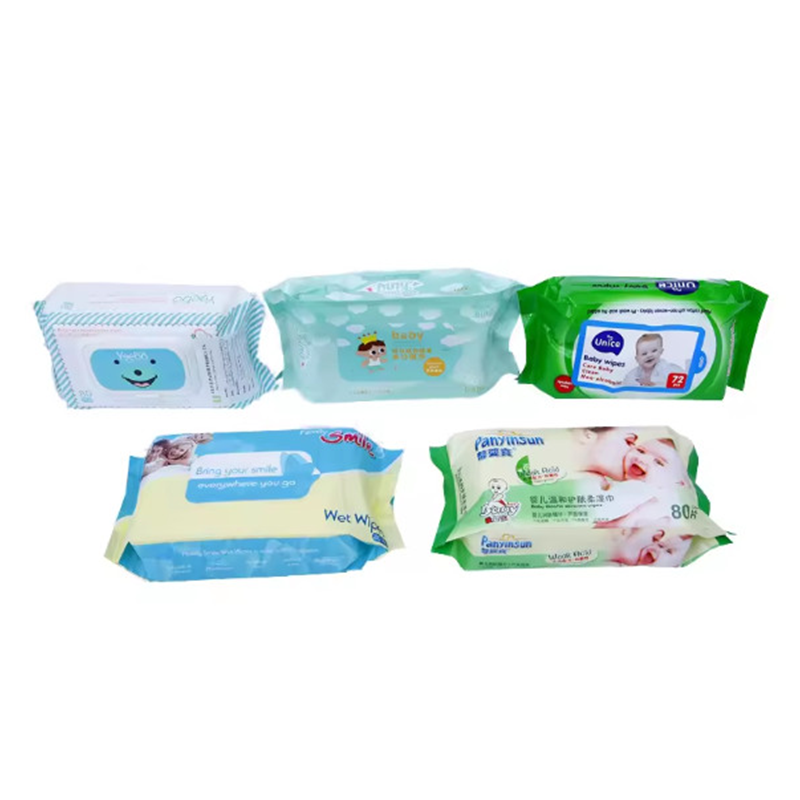
Pediatricians and dermatologists frequently recommend using exclusively water-based wipes during a baby's first two months of life. A newborn's acid mantle takes considerable time to develop fully after birth. The acid mantle serves as a microscopic film protecting the body from harmful bacteria and rapid moisture loss. Introducing synthetic soaps too early can strip away this vital protective layer. By sticking to ultra-pure formulas, you minimize the risk of triggering painful contact dermatitis.
Independent safety validation provides essential peace of mind for buyers. We highly recommend checking recognized third-party ratings before making a purchase. The EWG (Environmental Working Group) Skin Deep database and the National Eczema Association offer excellent evaluation resources. They rigorously evaluate products based on chemical toxicity and known allergen presence. Achieving an EWG Verified mark proves a product completely avoids chemicals of concern. It confirms the brand maintains total ingredient transparency from production to retail.
Many parents initially question the real-world effectiveness of these minimalist products. They wonder how pure water can handle stubborn, sticky messes. The secret lies entirely in mechanical cleaning power. Thick, highly textured natural fibers do the heavy lifting here. The water simply acts as a gentle solvent, softening dried debris safely. The textured fabric then physically sweeps the mess away. They accomplish this impressive task without relying on heavy surfactants or artificial foaming soaps.
Adults also increasingly adopt these products for personal cosmetic use. People managing rosacea, eczema, or highly reactive skin utilize them for gentle makeup removal. Their complete lack of harsh astringents makes them ideal for sensitive facial application.
Here are a few common mistakes people make regarding efficacy:
Premium purity rarely comes cheap in the consumer goods market. The per-unit cost difference between standard chemical options and premium alternatives often surprises new buyers. You can generally expect to pay anywhere from twenty to fifty percent more per pack. This noticeable price gap stems directly from the specialized manufacturing required. Handling 99.9% liquid formulas demands incredibly sterile environments, slower production lines, and high-grade natural fabrics.
Users also face a few practical, daily trade-offs. The extremely high liquid content makes the packaging noticeably heavier. You will definitely feel the difference when carrying a full multi-pack in a standard diaper bag. Furthermore, these items often stick together in the plastic dispenser. Without synthetic slip agents and slick silicones, the damp natural fibers tend to cling tightly to one another. Pulling out just one single sheet often requires a specific hand technique or purchasing a weighted dispenser box.
Despite the higher upfront price and minor dispensing inconveniences, strategic usage can easily maximize their overall value. You do not necessarily need to use them for every single diaper change until toddlerhood. We strongly recommend a phased approach to balance your household budget and optimal skin care needs.
Consider these strategic usage scenarios for maximum value:
Scaling commercial production for a minimalist formula presents unique B2B challenges. Traditional chemical product lines rely heavily on strong preservatives to mask poor manufacturing hygiene. If a factory operates with low sanitation standards, industrial parabens simply kill the resulting bacteria in the package. Minimalist products do not possess this robust chemical safety net. Manufacturing them safely requires significantly higher, pharmaceutical-grade compliance standards.
Contamination risks remain the single largest threat to these specialized product lines. Without heavy preservatives guarding the liquid, mold spores and bacteria can multiply rapidly. To prevent disastrous outbreaks, factories must utilize advanced pharmaceutical-grade cleanrooms. These completely enclosed environments actively filter out microscopic airborne contaminants. Additionally, the facility must operate massive industrial purified water systems. Multi-stage reverse osmosis and ultraviolet sterilization ensure the core liquid remains completely sterile right up until the final packaging seal.
If you plan to source these products commercially, you must vet potential partners rigorously. Choosing the right water wipes supplier prevents massive, costly product recalls later.
Use this comprehensive vetting checklist during your supplier evaluation:
Water wipes offer the cleanest, safest baseline for infant hygiene and delicate skin care. They successfully eliminate the harsh synthetic chemicals commonly found in legacy mainstream brands. However, this intentional minimalist approach requires careful consideration regarding premium pricing, minor dispensing quirks, and sensitive shelf-stability. You must handle them properly to maximize their functional value and safety.
To ensure the best experience and safest outcomes, follow these action-oriented steps:
A: Yes, they generally expire much faster. Traditional brands use heavy chemical preservatives for multi-year shelf stability. Pure formulations rely on tiny amounts of fruit extract. You should typically consume them within one to three months after opening the seal. Unopened packs usually last about 15 months from the exact manufacturing date.
A: Mold is relatively rare but certainly possible. Because they completely lack strong synthetic preservatives, bacteria or mold spores can thrive if introduced to the package. This usually happens if you leave the lid open repeatedly or store the pack in excessive heat. Always close the dispenser tightly.
A: Most are absolutely not flushable. Ingredient purity does not dictate physical flushability. The substrate material matters most. Even natural plant fibers like heavy viscose or cotton will clog standard household plumbing systems. Unless the packaging explicitly displays a certified flushable icon, always dispose of them in a trash bin.
A: Yes, they clean remarkably well through natural mechanical friction. The highly textured fibers grip debris securely. The ultra-pure water acts as a gentle solvent to soften dried messes. While they lack the chemical emulsifiers found in soapy formulas, their natural cleaning power handles daily messes effectively without disrupting the delicate skin barrier.