
Views: 145 Author: Site Editor Publish Time: 2026-08-17 Origin: Site


Low-quality tissues compound negative impacts on sensitive skin with every use. Abrasive fibers, residual bleaching chemicals, and synthetic fragrances work together to create micro-abrasions, trigger contact dermatitis, and compromise the skin barrier. For individuals managing allergies, chronic respiratory conditions, or baseline dermatological sensitivity, the wrong tissue turns routine wiping into a painful, damaging experience. Buyers face a distinct operational challenge: balancing the demand for ultra-soft, hypoallergenic products with the structural integrity required for high absorbency and strength, all while managing scalable procurement costs.
Selecting the right Facial tissues requires looking past surface-level marketing claims and focusing entirely on material science and manufacturing standards. Procurement teams, clinical buyers, and brand managers need a rigorous technical evaluation framework. This guide breaks down how to assess material composition, structural engineering, chemical processing, and vendor capabilities to source the optimal tissues for sensitive skin applications.
Material Integrity Over Marketing: Virgin wood pulp, unbleached bamboo, and premium 100% cotton offer superior baseline softness and lower chemical residue compared to heavily processed recycled fibers.
Friction is the Primary Enemy: Multi-ply construction (3-ply or 4-ply) with low-linting properties is non-negotiable for reducing mechanical irritation on compromised skin.
Absorbency Reduces Wipe Frequency: High-absorbency fibers directly protect the skin barrier by minimizing the physical wiping cycles required per use.
Chemical Transparency is Critical: Hypoallergenic claims must be backed by Totally Chlorine-Free (TCF) processing and the strict elimination of synthetic fragrances, dyes, and harsh binding agents.
Strategic Sourcing Impacts Quality: Partnering with a certified facial tissue manufacturer ensures batch-to-batch consistency, whether scaling up wholesale orders or developing custom product lines.
Tissues damage sensitive skin through two primary mechanisms: mechanical irritation and chemical sensitization. Mechanical irritation occurs when coarse, poorly refined fibers create abrasive friction across the epidermis. This friction strips away natural oils and causes micro-tears on the skin's surface. Chemical sensitization happens when residual bleaches, synthetic fragrances, or artificial dyes trigger allergic reactions or contact dermatitis. Both issues compound rapidly during periods of frequent use, such as allergy season or viral outbreaks.
Damage Type | Primary Cause | Physical Result on Skin | Manufacturing Solution |
|---|---|---|---|
Mechanical Irritation | Short, coarse fibers; low ply count | Micro-abrasions, redness, barrier stripping | Use long-fiber virgin pulp; increase to 3-ply or 4-ply |
Chemical Sensitization | Chlorine bleach, synthetic fragrances, dyes | Contact dermatitis, localized swelling, itching | Implement TCF processing; eliminate all non-essential additives |
Daily maintenance for sensitive skin requires ultra-soft, low-fuzz, fragrance-free dry tissues to prevent baseline barrier disruption. These tissues must handle everyday tasks without leaving irritating residue or causing friction. Conversely, raw or inflamed skin during active illness demands high-thickness, heavily cushioned tissues. In specific clinical or personal care scenarios, dermatologically safe lotion-infused tissues provide a protective barrier to soothe existing micro-tears and prevent further moisture loss from the skin.
High-fuzz tissues exacerbate respiratory sensitivities by releasing airborne particulates during the physical act of pulling the tissue from the box or wiping the face. Furthermore, lint shedding leaves irritating physical residue on raw, micro-torn skin, which prolongs inflammation and delays healing. A premium tissue must maintain structural integrity and minimize particulate release through proper calendering and fiber binding techniques.
A sensitive-skin tissue must meet strict, non-negotiable criteria before it can be considered for procurement. It should be independently dermatologically tested and maintain a neutral pH to match the skin's natural acid mantle. High tensile strength when wet prevents the tissue from disintegrating and leaving pulp residue on the face, while the complete absence of synthetic fragrances ensures chemical safety across diverse user demographics.
Virgin wood pulp provides longer, naturally softer fibers compared to recycled alternatives. This structural advantage translates directly to a smoother wipe and higher tensile strength. Unbleached bamboo pulp offers excellent sustainability metrics and natural hypoallergenic properties, making it a strong alternative for eco-conscious procurement. Recycled paper, while environmentally friendly, often contains shorter, coarser fibers and residual de-inking chemicals that actively irritate sensitive skin and compromise the tissue's wet strength.
Premium 100% cotton fibers represent the top tier for dry facial tissues and cosmetic wipes. Cotton delivers exceptional tactile benefits, including near-zero lint shedding and outstanding wet strength that mimics woven cloth. The natural softness of cotton makes it ideal for daily facial cleansing, makeup removal, and skincare application without compromising the epidermal barrier.
Chemical processing significantly impacts the final safety profile of the tissue. Elemental Chlorine-Free (ECF) bleaching reduces harmful byproducts compared to traditional gas chlorine, but Totally Chlorine-Free (TCF) processing remains the gold standard for sensitive skin applications. TCF utilizes hydrogen peroxide or ozone, completely eliminating dioxins and residual chemical irritants that frequently trigger contact dermatitis in sensitive users.
Ply count directly influences skin comfort and product performance. 3-ply and 4-ply tissues provide essential physical cushioning, reducing the direct pressure required during use. This multi-layer construction also prevents moisture bleed-through, keeping the user's hands clean and minimizing the mechanical friction transferred to the face during a wipe.
Fluid retention capacity is a critical, often overlooked skin-protection metric. High absorbency reduces the overall frequency of wipes needed per use. Fewer wiping cycles mean less cumulative mechanical friction, directly preventing redness and skin barrier damage. Tissues that smear moisture rather than absorbing it force the user to wipe repeatedly, accelerating skin degradation.
Manufacturers must balance calendering processes to maximize softness without compromising tensile strength. A tissue must feel smooth against the skin but hold together under moisture and pressure. Poorly engineered tissues sacrifice wet strength for surface softness, leading to rapid disintegration, increased linting, and user frustration.
Embossing affects both tactile smoothness and structural integrity by binding the individual plies together. Edge-embossing binds the plies at the perimeter without disrupting the smooth center surface, making it ideal for sensitive skin. Full-sheet embossing can sometimes create a rougher texture, depending on the depth, heat, and specific steel-to-rubber pattern used during the converting process.
Scented tissues and dyed papers must be strictly excluded from sensitive skin evaluations. Synthetic fragrances and artificial dyes are common allergens that trigger immediate localized reactions on compromised skin. Even "natural" essential oils can cause contact dermatitis if the user has a compromised skin barrier.
Lotion-infused tissues can soothe raw skin, provided the additives are chemically safe and stable. Aloe Vera, Vitamin E, and Calendula offer genuine dermatological benefits when applied correctly during manufacturing. However, buyers must avoid synthetic mineral oils or poorly formulated lotions that can clog pores, leave a greasy residue, or trigger secondary allergic reactions.
Chemical binders are necessary to keep tissues intact when wet. It is vital to ensure these dry and wet strength agents (such as PAE resins) are non-toxic and hypoallergenic. Transparent manufacturers will disclose the safety profiles of these necessary additives and provide documentation proving they do not leach harmful compounds upon contact with moisture.
Vetting a facial tissue manufacturer requires checking specific operational credentials. Look for ISO 9001 certifications, FSC (Forest Stewardship Council) compliance for raw material sourcing, and clear transparency regarding independent dermatological testing. Reliable vendors maintain strict QA/QC protocols on the factory floor to ensure batch-to-batch consistency in fiber quality and ply adhesion.
Purchasing facial tissue wholesale demands rigorous quality control at the container level. White-labeling cheap imports often results in degraded fiber quality over time as suppliers quietly substitute inferior pulp to cut costs. Sourcing from manufacturers with documented quality assurance processes and strict contract terms mitigates this risk and guarantees long-term product safety.
Tracing raw materials from the pulp source to final conversion guarantees hypoallergenic claims. Supply chain transparency ensures that no unapproved chemicals, recycled fibers, or inferior binding agents enter the manufacturing process. Buyers should request full material safety data sheets (MSDS) for all components used in the tissue.
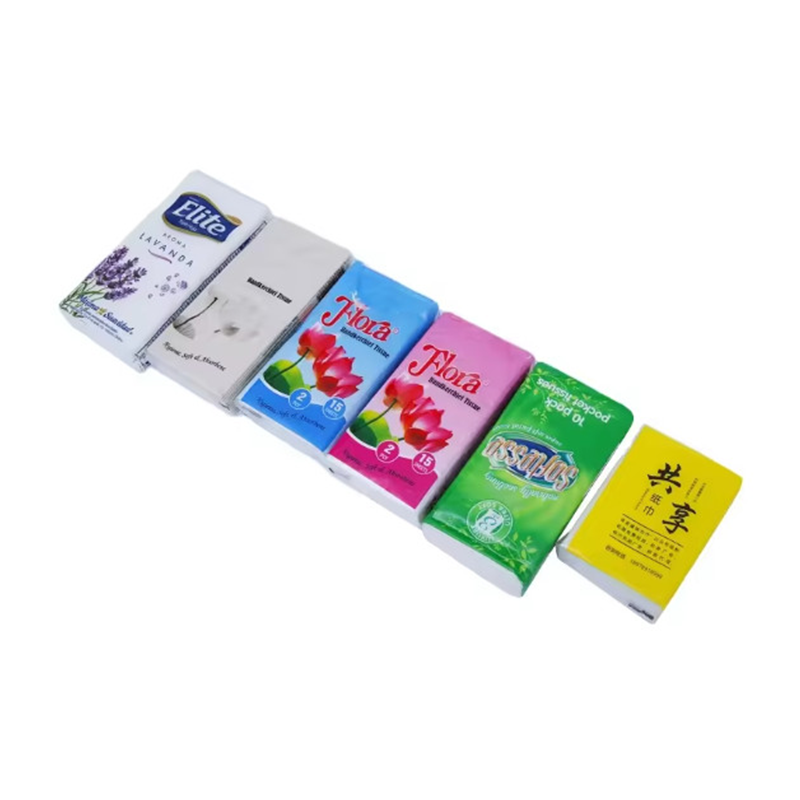
Standard box tissues and pocket facial tissue packs require different manufacturing techniques. Pocket packs involve specific calendering and high-compression folding processes to fit tissues into compact plastic packaging without losing density or surface softness. The folding machinery must operate precisely to prevent tearing the delicate multi-ply sheets during packaging.
Clinical, hospitality, and premium retail buyers frequently utilize custom facial tissue boxes to enhance user experience. Custom packaging aligns with brand identity while physically protecting the tissues from environmental contaminants like dust, airborne pathogens, and moisture before use. The cardboard used for the boxes must also be free of volatile organic compounds (VOCs) that could transfer to the tissues inside.
Lower-tier suppliers often struggle with batch inconsistency, where fiber quality degrades over time. Establish acceptable variance thresholds in procurement contracts to maintain high standards for sensitive skin products. Specify exact parameters for basis weight (GSM), brightness, and tensile strength.
Before committing to a wholesale order, conduct physical evaluations on unbranded samples.
Implement rub tests against dark fabrics to visually measure lint shedding.
Conduct wet-strength tests by saturating the tissue and measuring the force required to puncture it.
Perform visual checks under harsh lighting to identify poor ply adhesion or uneven embossing.
Request independent lab verification for pH levels and the absence of heavy metals.
Ensure that any claims of "hypoallergenic" or "dermatologist approved" meet regional advertising and health standards. Misleading labels create legal liability and permanently damage brand trust. Always keep testing documentation on file to substantiate any medical or health-related claims printed on the packaging.
Procuring the optimal facial tissue for sensitive skin requires strict adherence to material science principles. Buyers must prioritize high-quality virgin, bamboo, or 100% cotton fibers, multi-ply construction, high absorbency, and the absolute avoidance of chemical additives. By focusing on TCF processing and verifying 3-ply or 4-ply thickness, organizations can protect end-users from mechanical friction and chemical sensitization.
Request technical specification sheets (TDS) from all potential manufacturers to verify fiber composition and bleaching methods.
Order unbranded samples to conduct independent friction, linting, and absorbency testing before finalizing any contracts.
Audit the supplier's QA/QC documentation to ensure batch-to-batch consistency and ISO compliance.
Specify Totally Chlorine-Free (TCF) processing in all purchase orders to guarantee chemical safety.
A: Virgin wood pulp, unbleached bamboo, and 100% cotton dry fibers are the best materials. They offer long fiber length, natural softness, and completely lack the harsh chemical residues and short, abrasive fibers often found in recycled paper products.
A: 100% cotton tissues offer superior wet strength and near-zero linting, making them ideal for facial cleansing and cosmetic use. However, high-grade virgin wood pulp remains excellent and highly cost-effective for daily nasal care and general use.
A: Yes, provided they use safe, stable additives like Aloe Vera or Vitamin E to soothe micro-tears. Buyers must strictly avoid synthetic mineral oils or heavy fragrances that may cause secondary irritation or clogged pores on compromised skin.
A: Allergic reactions are typically triggered by chemical sensitization. This is caused by synthetic fragrances, artificial dyes, and chlorine-bleach residues left over from inferior manufacturing and processing methods.
A: Look for key operational certifications including ISO 9001 for quality management, FSC compliance for responsible sourcing, and independent dermatological testing reports to ensure consistent product safety and reliability.
A: Yes. 3-ply and 4-ply tissues provide necessary physical cushioning, prevent moisture bleed-through, and significantly reduce the abrasive mechanical friction transferred to the skin during use.