
Views: 162 Author: Site Editor Publish Time: 2026-08-10 Origin: Site


Consumable paper products often fade into the background of daily facility operations. Yet, they carry significant weight in shaping user perception across commercial, hospitality, and retail environments. When procuring Facial tissues, buyers face a constant tension between procurement budgets and end-user satisfaction. Selecting the wrong ply count inevitably leads to wasted expenditure or a compromised brand image. A tissue that is too thin frustrates users, while over-speccing drains resources unnecessarily. To navigate this balance, you need a technical evaluation framework. This determines the optimal ply count based on specific use cases, manufacturing standards, and wholesale sourcing realities. We will break down exactly how many plies you really need to ensure strength, softness, and absorbency without overspending.
Ply Count is Not the Only Metric: A high-quality 2-ply tissue made from 100% pure chemical pulp often outperforms a low-grade 3-ply tissue in tensile strength and lint reduction.
Context Dictates Specifications: 3-ply tissues are non-negotiable for luxury hospitality and healthcare (colds/allergies), while 2-ply remains the standard for high-volume corporate facilities.
Hidden Costs of Low Ply: Under-speccing to 1-ply or low-grade 2-ply increases overall consumption, as users naturally pull multiple sheets to compensate for lack of absorbency.
Packaging Constraints: Ply count directly impacts the physical dimensions and sheet capacity of custom facial tissue boxes and pocket packs, influencing freight costs and storage.
In paper manufacturing, "ply" refers to the number of individual layers of paper milled together to form a single sheet. A basic 2-ply structure consists of two thin sheets bonded together. This provides a baseline of strength and absorbency suitable for everyday tasks. A premium 3-ply structure adds a third layer. This significantly increases the structural integrity, moisture retention, and overall plushness of the product. The additional layer transforms a standard utility item into a high-performance barrier.
Manufacturers bond these layers using mechanical embossing or light adhesive applications. The bonding process prevents the layers from separating when pulled from the dispenser. If you specify a multi-ply product with poor edge embossing, the layers will delaminate. Users will end up pulling single, flimsy sheets instead of the intended multi-ply product. You must verify the bonding technique when evaluating samples.
The physical performance of any tissue relies heavily on the quality of the base material interacting with the ply count. Premium-grade facial tissues require 100% pure chemical pulp rather than mechanical or low-grade recycled pulp. Chemical pulping removes lignin, resulting in longer, stronger, and softer fibers. This process achieves maximum wet strength and a lint-free finish.
A 2-ply sheet made from pure chemical pulp will consistently outperform a 3-ply sheet made from short, recycled fibers. Recycled fibers break apart under moisture, leaving residue on the skin. When you evaluate specifications, look at the fiber composition before you look at the ply count. Virgin chemical pulp provides the structural foundation that makes higher ply counts effective.
Industry norms clearly delineate the applications for different ply counts. The 2-ply configuration serves as the standard commercial baseline. It offers sufficient durability for general use while maintaining cost efficiency for bulk procurement. Most commercial facilities default to 2-ply because it balances user expectation with budget constraints.
Meanwhile, 3-ply is categorized as premium or ultra-plush. It caters to environments where comfort, high absorbency, and tactile luxury take priority over raw unit cost. You will find 3-ply products in executive washrooms, luxury hotel suites, and specialized medical clinics. The market rarely demands 4-ply tissues outside of highly specific niche applications, as the added thickness often makes the tissue too stiff for facial use.
Specification | Standard 2-Ply | Premium 3-Ply |
|---|---|---|
Typical GSM (Total) | 24 - 28 GSM | 36 - 42 GSM |
Primary Application | Corporate, General Washrooms | Luxury Hospitality, Healthcare |
Absorbency Rating | Moderate | High |
Lint Production | Low to Moderate | Very Low (with virgin pulp) |
Pallet Density | High (More boxes per pallet) | Lower (Fewer boxes per pallet) |
Luxury rentals, boutique hotels, and high-end accommodations operate on the expectation of premium amenities. In the US market, providing facial tissues is widely considered a mandatory benchmark of hospitality. Supplying thin, abrasive 1-ply or low-grade 2-ply tissues introduces a severe reputational risk. Guests notice when operators cut corners on tactile touchpoints.
A robust 3-ply tissue signals attention to detail. It reinforces the premium nature of the setting. When a guest uses a tissue to remove makeup or handle a cold, a 3-ply sheet holds up without tearing. Facility managers in the luxury sector must specify 3-ply virgin pulp products to align the physical amenity with the brand's promised standard of care.
Clinical environments demand strict performance metrics, particularly during cold and allergy seasons. High absorbency and barrier protection are critical to prevent cross-contamination. In these settings, a 3-ply structure is structurally necessary. The added thickness prevents moisture bleed-through, protecting hands and sensitive skin from irritation and exposure.
Relying on thinner alternatives compromises hygiene protocols and patient comfort. Medical facilities often require tissues that can handle heavy mucus without disintegrating. A 3-ply sheet provides the necessary physical barrier. Furthermore, tissues in these environments must be exceptionally soft to prevent micro-abrasions on skin that is already raw from frequent wiping.
Cosmetic application and removal require specific material properties. Flexible, lint-free 2-ply tissues are heavily favored as the perfect multi-purpose beauty standard. They maneuver easily around the contours of the face without leaving fiber residue. Makeup artists and salon professionals prefer a tissue that conforms to the skin.
However, when dealing with heavy liquid cosmetic removal or aggressive cleansing routines, a specialty 3-ply tissue provides the necessary structural integrity. It holds moisture without disintegrating. You must evaluate the specific cosmetic procedure. Light blotting requires 2-ply flexibility. Heavy makeup removal requires 3-ply strength.
In high-traffic environments, consumption rates dictate procurement strategy. Corporate offices and large facilities benefit heavily from the cost-efficiency of standard 2-ply tissues. These environments require functional, everyday wiping solutions. The ultra-plush attributes of a 3-ply sheet offer diminishing returns relative to the increased expenditure.
Facility managers must track usage data. In a building with thousands of occupants, switching from 2-ply to 3-ply can increase the consumable budget significantly without a proportional increase in occupant satisfaction. Stick to high-quality 2-ply products for general office populations.
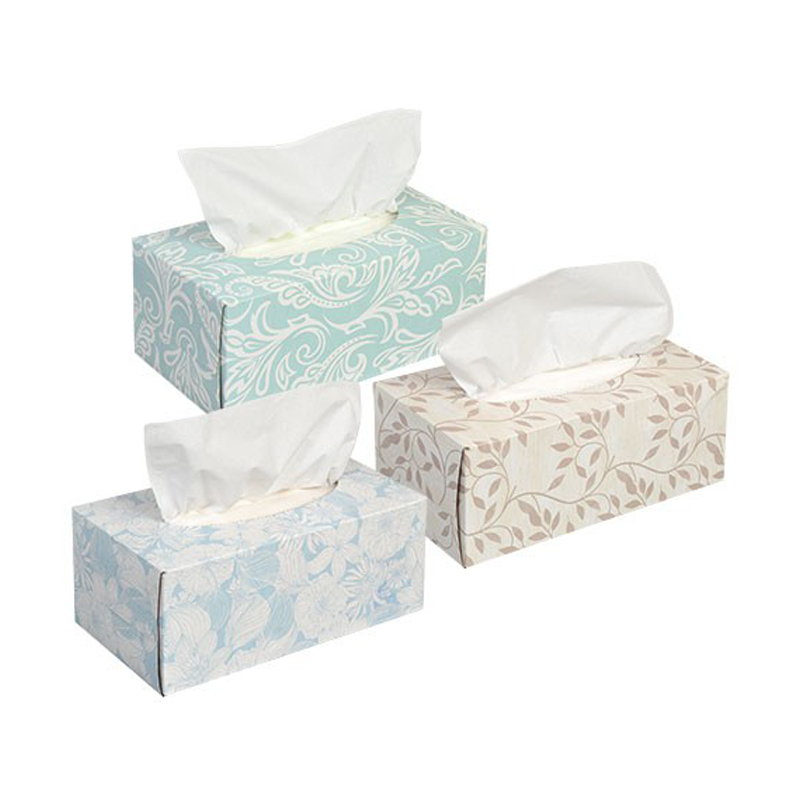
Procurement teams must look beyond the specification sheet when vetting a facial tissue manufacturer. You need to audit their production floor capabilities. Key capabilities include advanced embossing technology, which enhances perceived thickness and softness. You also need reliable ply-bonding techniques that prevent layers from separating during use.
Stringent quality control for dust reduction is essential. Excessive lint indicates poor fiber management and degrades the user experience. Ask the manufacturer about their calendering process. Calendering involves passing the paper through smooth rollers to flatten the fibers, resulting in a softer feel. A manufacturer with modern calendering equipment can make a 2-ply sheet feel softer than a poorly manufactured 3-ply sheet.
Securing facial tissue wholesale requires a comprehensive logistical analysis. Ply count directly affects pallet density and shipping weights. Because 3-ply tissues are thicker, fewer boxes fit on a standard pallet compared to 2-ply variants. This reduction in density alters overall freight economics.
Buyers must account for higher transportation costs per sheet when upgrading to premium plies. If you ship full truckloads, the cube out rate happens much faster with 3-ply products. You will pay to ship air. Work with your wholesale partner to optimize case dimensions and pallet configurations to maximize freight efficiency.
Evaluating procurement efficiency requires understanding user behavior. Buying cheaper, thinner tissues often results in higher usage rates. When users encounter a flimsy 1-ply or weak 2-ply sheet, they naturally pull multiple sheets simultaneously to achieve the desired absorbency and protection.
This "double-pull" phenomenon rapidly depletes inventory. It effectively negates the initial unit cost savings achieved during purchasing. You must calculate the cost per use, not just the cost per case. A slightly more expensive, robust 2-ply tissue will reduce the double-pull rate, extending the life of each box and lowering your overall consumable spend.
Sheet thickness dictates the physical formats of custom facial tissue boxes. Upright cubes generally hold fewer sheets due to spatial constraints, while flat rectangular boxes accommodate higher capacities. The fold style interacts with box layouts to affect dispensing pull-force. High-ply tissues in restrictive openings can lead to tissue tearing.
Premium 3-ply tissues align perfectly with high-end custom packaging, offering excellent branding opportunities for corporate gifting or retail environments. When designing custom boxes, you must account for the caliper (thickness) of the paper. If you try to stuff 100 sheets of 3-ply tissue into a box designed for 100 sheets of 2-ply, the tissues will jam in the dispenser.
Determine the required sheet count per box based on replacement cycles.
Select the ply count based on the facility environment.
Calculate the total paper volume to size the custom box accurately.
Design the dispenser opening to accommodate the specific fold style and paper thickness.
Portable formats introduce strict spatial trade-offs. When designing a pocket facial tissue, higher ply counts reduce the total number of tissues that can fit into the standard wrapping. Buyers are forced to choose between durability and sheet quantity.
A standard pocket pack might hold 10 sheets of 3-ply tissue, whereas the same footprint could accommodate 15 sheets of 2-ply. This impacts how long the product lasts for the end user. For promotional giveaways, a higher sheet count of 2-ply often provides better brand exposure over time. For premium retail travel packs, a lower count of 3-ply signals higher quality.
A major risk in tissue procurement is "ply-slippage." This occurs when manufacturers quietly reduce the base paper weight while maintaining the advertised ply count. This results in a product that technically meets the layer requirement but feels noticeably thinner and weaker. The manufacturer saves money on pulp, and you receive an inferior product.
To mitigate this, buyers must specify GSM (grams per square meter) alongside ply count in vendor contracts. Ensuring the actual mass and density of the paper remain consistent across deliveries protects your investment. Implement a random sampling protocol at your receiving dock to weigh the product and verify compliance with your GSM specifications.
Balancing premium softness with corporate ESG goals presents a challenge. Virgin chemical pulp delivers superior softness but relies on fresh timber. Recycled content supports sustainability but often yields a rougher texture. You must navigate this trade-off carefully to meet both user expectations and corporate mandates.
A practical mitigation strategy is sourcing FSC-certified (Forest Stewardship Council) materials. This ensures responsible forestry practices are maintained regardless of whether you select a 2-ply or 3-ply configuration. You can provide a premium virgin pulp product while still adhering to strict environmental sourcing guidelines.
Audit your facility's current tissue consumption rates to identify areas experiencing the double-pull phenomenon.
Request physical samples of both 2-ply and 3-ply virgin pulp tissues from your wholesale suppliers for tactile evaluation.
Specify exact GSM requirements in your next vendor contract to prevent ply-slippage and ensure consistent quality.
Calculate the freight impact of switching ply counts by reviewing pallet density and case dimensions with your logistics team.
A: The best ply count depends on the application. A 2-ply tissue is ideal for everyday commercial and corporate use due to its balance of strength and cost. A 3-ply tissue offers superior absorbency and softness, making it the best choice for colds, allergies, and premium hospitality settings.
A: Yes, in high-end boutique hotels and US vacation rentals, supplying facial tissues is a standard benchmark of hospitality. Failing to provide them, or providing low-quality options, can negatively impact guest perception and reviews.
A: Yes. Thicker 3-ply tissues take up more physical volume than 2-ply tissues. To maintain a specific sheet count, the custom box must be larger. Alternatively, keeping the box size standard requires reducing the total number of sheets inside.
A: While 4-ply facial tissues exist, they are rare. They are typically reserved for ultra-premium niche markets or specific clinical applications requiring extreme barrier protection. For most commercial needs, 3-ply provides more than enough thickness.
A: Softness is heavily influenced by the raw material. A 2-ply tissue made from 100% pure chemical virgin pulp will feel significantly softer than a 3-ply tissue made from rougher, recycled fibers. Manufacturing finishes, like calendering, also improve surface smoothness.
A: Standard pocket packs typically contain between 9 and 15 sheets. Because higher ply counts increase the thickness of each sheet, opting for a 3-ply tissue usually reduces the total sheet count that can fit inside the portable wrapper.
A: The unit cost per box is lower for 2-ply tissues. However, actual cost-efficiency depends on consumption. If users pull multiple 2-ply sheets because they lack absorbency, the rapid depletion of inventory can make them more expensive in the long run.